
News
Spain orders replacement of eight million gas meters: New rules, costs and deadlines

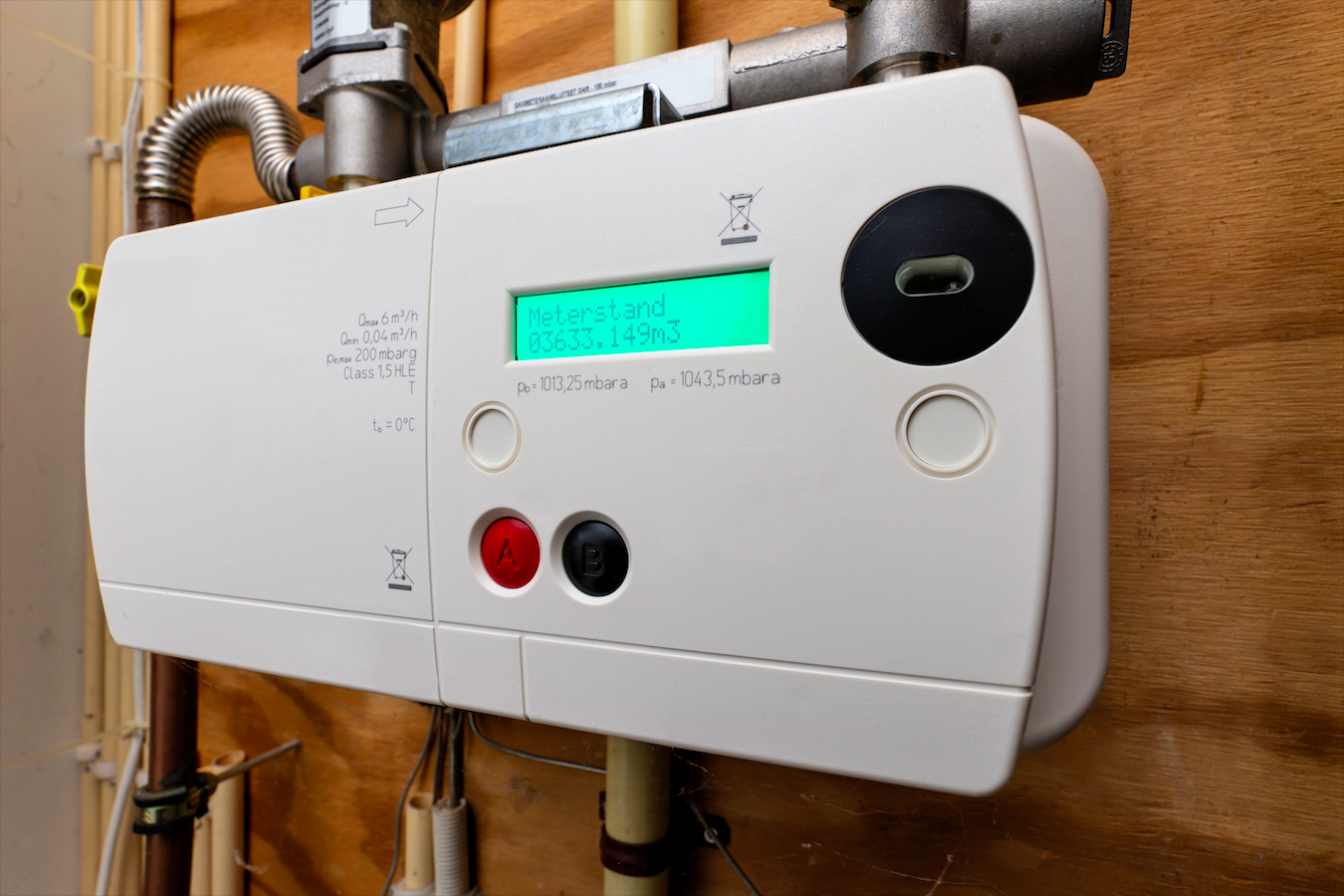
Households must also be told whether they can own their meter or rent it. Photo credit: Bjoern Wylezich/Shutterstock
If you have a gas meter at home, you could soon be getting a new one, and the change could affect how you track your bills. Spain is introducing smart gas meters that will record your daily consumption remotely, helping you see how much gas you use and potentially avoid bills based on estimates. The rollout starts in earnest in 2029 and will continue until 2036, with around eight million homes and small businesses expected to be affected.
The plan covers around eight million gas meters in homes and small businesses, with the replacement programme approved by Environment Minister Sara Aagesen and published in Spain’s Official State Gazette (BOE) on Tuesday, October 27. The new rules come under Ministerial Order TED/1122/2026, which sets out the timetable, technical requirements and procedures for installing the devices.
When will Spanish households get smart gas meters?
The replacement will take place gradually rather than requiring every household to change its meter immediately. Gas distribution companies must meet a series of targets, measured across each corporate group.
The order comes into force on October 28, 2026, setting the following deadlines for replacing conventional meters used by customers consuming up to 50,000 kilowatt-hours of gas annually:
- By 2029: At least 20 per cent of the existing meters must have been replaced and connected to the remote management system.
- By 2031: The proportion must reach at least 50 per cent.
- By 2033: At least 80 per cent must have been replaced.
- By 2036: The replacement programme must be completed, although up to 2 per cent of meters may remain analogue where justified circumstances beyond the distributor’s control prevent replacement and the exception is approved by the regulator.
The programme also covers around 70,000 supply points consuming more than 50,000 kWh and up to five gigawatt-hours annually. These customers must receive remote-reading systems or, where appropriate, smart meters, following a separate timetable.
Will the new gas meters cost households money?
For most consumers, the meter replacement and installation will be free. However, the rules allow an exception where substantial modifications to the existing installation are needed to meet technical or safety requirements. Consumers must also be informed whether they can have the meter in their own name or rent it from the distributor, including the applicable rental price. More than 90 per cent of Spain’s existing gas meters are currently rented, according to the Ministry for the Ecological Transition.
The change is expected to benefit households by reducing the need for manual readings and eliminating estimated consumption readings where the new system provides actual data. Consumers will also be able to access their daily gas consumption through a free online platform provided by the distributor. The new meters can communicate with the distributor in both directions, transmit consumption information remotely and issue alerts when they detect possible tampering or abnormal operating conditions. They can also support remote disconnection of the supply where the equipment and installation permit it.
How much could consumers save?
The ministry estimates that smart meters could reduce gas consumption by between 1.8 and 5 per cent. Its cost-benefit assessment puts the potential overall economic benefit at more than €800 million over the new devices’ 25-year working life. That calculation uses an assumed average gas price of €34 per megawatt-hour, which the ministry says is less than half the price used in its comparison with current market conditions.
The figure is a projected benefit across the programme, not a guarantee that every household will save the same amount. Access to daily consumption figures should make it easier for households to identify when they use the most gas and adjust their habits accordingly. Remote readings could also reduce billing errors, help distributors identify faults and avoid unnecessary visits to properties to read meters.
What happens before the meter is replaced?
Households should receive advance notice rather than an unexpected visit from an installer. Distributors must provide an initial notification at least three months before the replacement and communicate the proposed installation date at least 15 days in advance. The rules also require distributors to publish information about their implementation plans and explain how customers can access their consumption data. Information about the replacement programme, potential energy savings, rental or ownership options and the handling of personal data must be made available to consumers.
The devices must meet minimum technical and security requirements, including secure communications, the storage of daily readings and the transmission of consumption data at least every three days. They must also be compatible with gas supplies containing at least 20 per cent hydrogen. For households, the immediate change is not a compulsory appointment in 2026, but a phased programme that will run until 2036. The first major milestone is in 2029, when distributors must have replaced at least a fifth of the conventional meters covered by the order





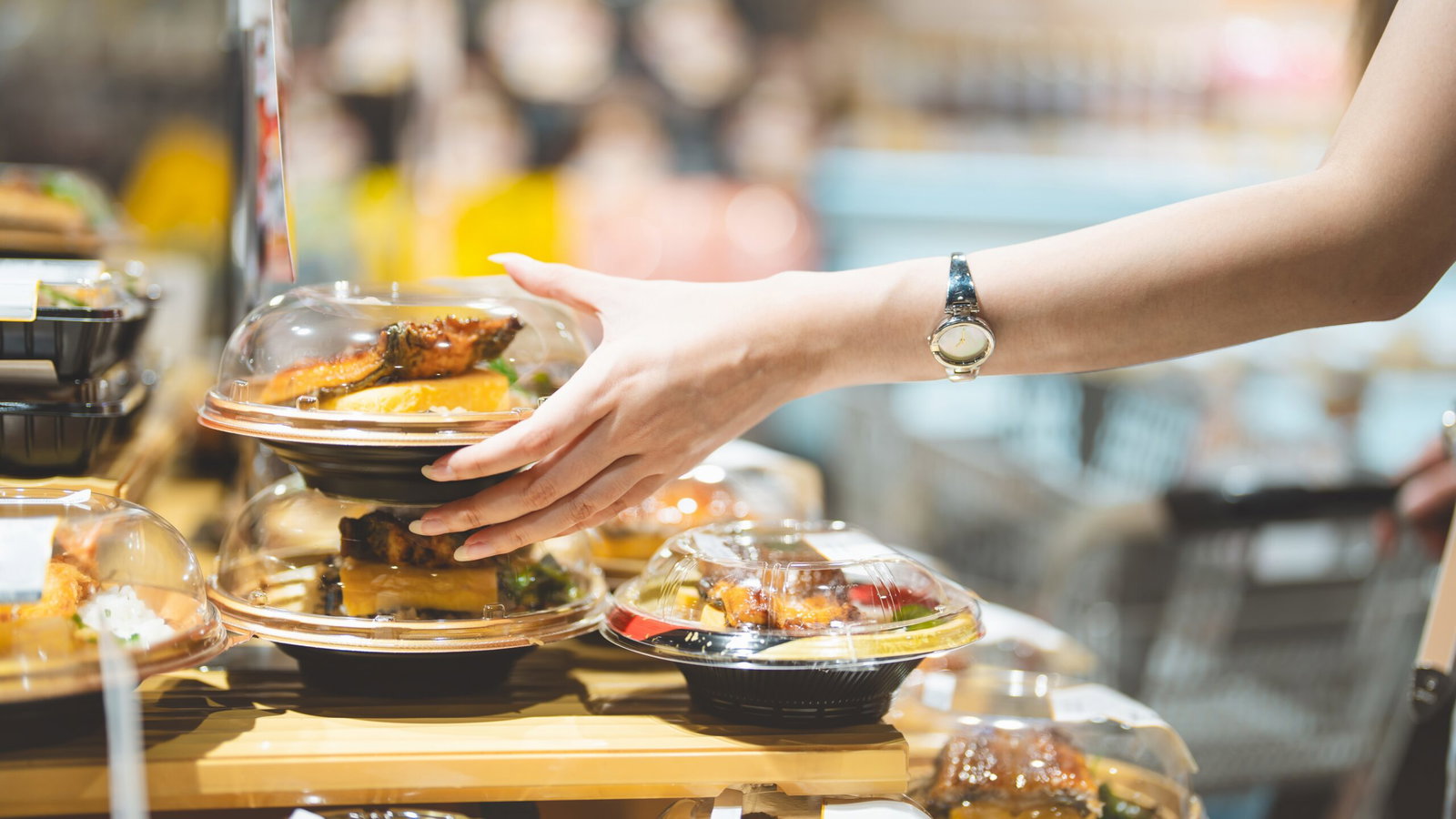
Mercadona has been at the centre of the debate. Photo credit: dodotone/Shutterstock
If you grab a ready-made lunch from Mercadona and eat it in the supermarket, you could be at the centre of a growing row between Spain’s supermarkets and its bars and restaurants. The hospitality industry wants supermarkets serving food and drink for customers to consume on the premises to face the same rules and costs as traditional hospitality businesses. It is now asking political parties to take up the issue ahead of the next government, although no new tax has been introduced.
Hostelería de España, the national organisation representing the hospitality sector, has included the proposal in a list of 30 requests sent to political parties. It argues that businesses offering similar services should face equivalent tax, health, labour and licensing obligations. The organisation says the current differences put bars and restaurants at a disadvantage when competing with supermarkets that have expanded their ready-to-eat food ranges. The proposal is a request from the hospitality industry, not an announced government measure. Any change would depend on whether political parties adopted it and a future government decided to act.
Why supermarkets have become part of the dispute
The argument centres on the growth of prepared meals sold by supermarkets, including food that customers can eat in designated areas inside the store. For traditional cafés, bars and restaurants, these services increasingly overlap with what they offer, particularly for people looking for a quick lunch without sitting down for a full restaurant meal. Mercadona has been at the centre of the debate because of its expansion of ready-to-eat food and spaces where customers can consume it. Other supermarket operators have also developed similar services.
José Luis Álvarez Almeida, president of Hostelería de España, raised the issue publicly in May, arguing that supermarkets were moving into territory traditionally occupied by bars. The association has now taken the complaint into the political debate, seeking changes that would apply to businesses offering comparable services rather than targeting Mercadona alone.
The organisation wants food and drink served for consumption in public areas within commercial premises, clubs and associations to be subject to the same requirements as equivalent services in bars and restaurants. That would mean addressing differences in taxation, food safety rules, employment obligations and licensing. The precise changes would need to be defined by policymakers; the proposals do not set out a new tax rate for supermarkets.
The industry says the rules should be the same
Hostelería de España argues that traditional hospitality businesses face obligations that may not apply in the same way to other businesses offering food for immediate consumption. It believes this creates an uneven playing field, particularly for independent establishments that must meet the costs of running a bar or restaurant.
The organisation represents around 320,000 establishments, including bars, restaurants and cafés. The sector accounts for 6.7% of Spain’s gross domestic product, while the restaurant industry alone contributes 4.7%, according to figures cited in its proposals. It also generates direct employment fo
Those figures form part of the association’s case for giving hospitality a stronger position in economic policy. Its demands extend beyond supermarket food counters, covering taxation, recruitment, small businesses and the preservation of traditional restaurants. For customers, the practical question is whether any future changes would affect the price or availability of prepared meals in supermarkets. There is no confirmed answer yet. The proposal does not automatically mean higher prices, and no change to supermarket charges has been announced.
Other demands include protecting the 10% VAT rate
The supermarket dispute is one of 30 proposals Hostelería de España has sent to political parties ahead of the general election scheduled for 29 November. Another major demand is to protect the reduced 10% VAT rate currently applied to hospitality services. The organisation is concerned about calls at European level for Spain to remove the reduced rate and apply the standard 21% rate instead. It argues that a rise could affect demand, employment and businesses already facing high operating costs.
The association is also calling for changes to the cost of hiring extra staff. It says an additional social security contribution of €31.22 per day for extra workers makes temporary recruitment more expensive, particularly when businesses need additional staff for weddings, banquets and large events.
It wants the contribution surcharge removed, arguing that hospitality businesses should not face an extra cost that it says does not apply in the same way to agriculture. Other proposals include increasing the tax-exempt value of meal vouchers to €14, reducing administrative paperwork for small businesses and self-employed workers, and improving support for traditional restaurants in rural areas. The organisation also wants a dedicated Directorate-General for Hospitality and Tourism within the Ministry of Industry and Tourism.
What happens next?
Hostelería de España has asked to meet political parties to discuss its proposals and seek their inclusion in the next legislature’s agenda. That leaves the supermarket demand at the stage of an industry request: it would require political support and subsequent regulatory decisions before any new obligations could take effect.
For now, shoppers can continue buying prepared meals from supermarkets under the rules currently in place. Whether future legislation brings supermarket food counters closer to the regulatory framework for bars and restaurants will depend on the decisions taken by the next government.
The hospitality sector is making its position clear before the election. It wants businesses serving food to customers on their premises to compete under equivalent conditions, regardless of whether the meal is bought in a traditional restaurant or a supermarket.
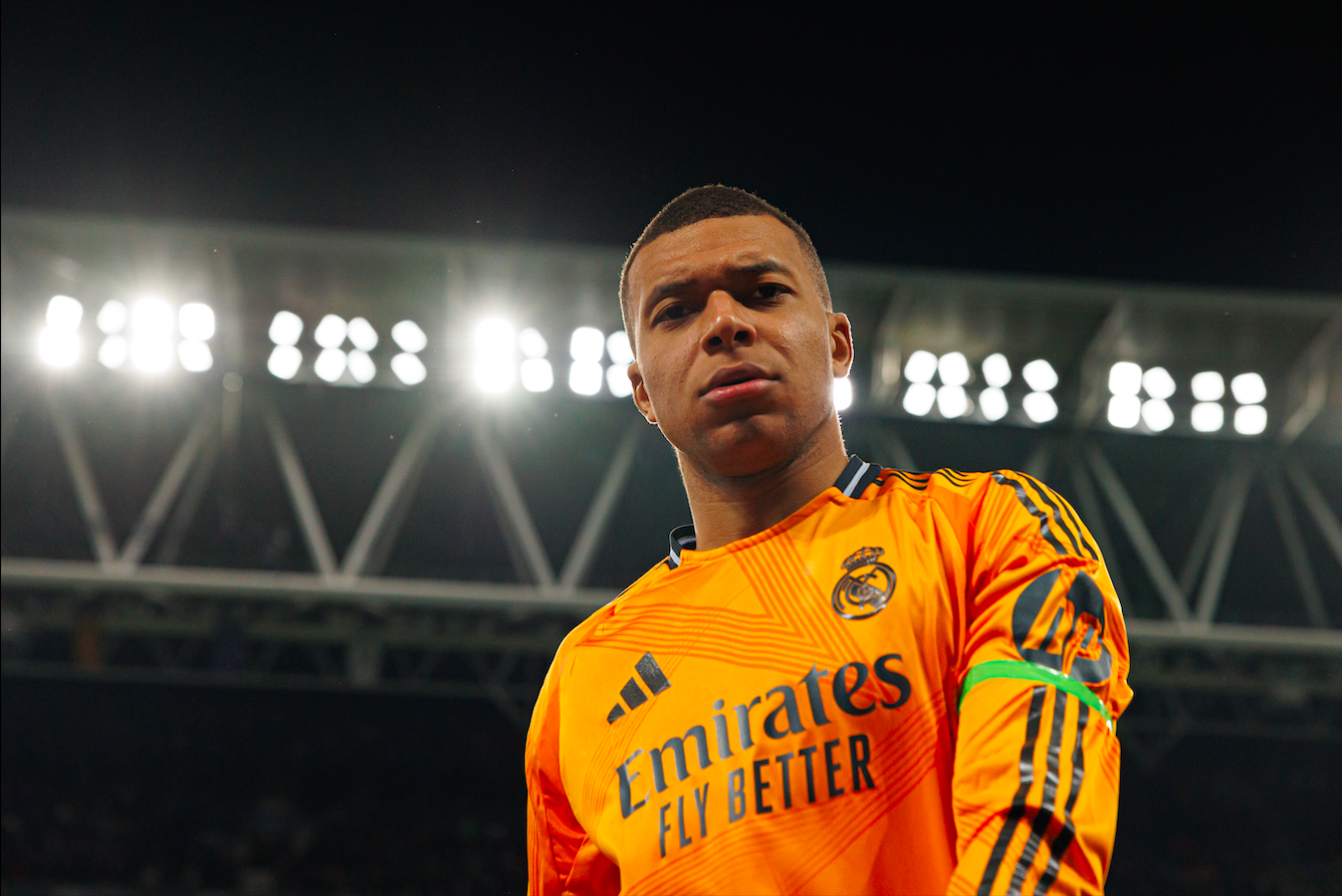
Chinese state broadcaster CCTV suspended broadcasts of LaLiga matches involving Mbappé. Photo credit: Maciej Rogowski Photo/Shutterstock
Kylian Mbappé has found himself at the centre of a diplomatic and commercial controversy after a joke involving an image of Chinese leader Mao Zedong triggered a backlash in China, prompting three companies to end their sponsorship agreements with the footballer and state broadcaster CCTV to suspend LaLiga coverage.
The Real Madrid striker apologised after the incident, acknowledging that his comment had been ill-judged and had hurt people in China and Chinese communities around the world. However, the fallout has extended beyond his personal reputation, raising questions about the commercial consequences for one of football’s most recognisable players and LaLiga’s presence in the Chinese market.
Mbappé’s China controversy puts sponsorships and LaLiga broadcasts at risk
The fallout has spread beyond the footballer himself. Chinese beverage and dairy companies have ended commercial partnerships with Kylian Mbappé, while state broadcaster CCTV has suspended Spanish league coverage following a controversy over a joke about an internet meme depicting the Real Madrid striker as Chinese leader Mao Zedong. The row began after a video circulated online showing Mbappé discussing his favourite meme featuring himself.
In the clip, he describes an image in which his face has been superimposed on a Chinese dictator, adding that he uses it with friends while playing video games. Although Mbappé did not name Mao, the image circulating online showed the French international’s face on a portrait of the former Chinese leader. Reuters reported that it had been unable to independently authenticate the video.
Three Chinese companies end sponsorship deals
The commercial consequences followed quickly, with three Chinese companies announcing that they were ending their relationships with the footballer. Dongpeng Beverage Group, which had appointed Mbappé as an ambassador for its Bushuila electrolyte drink brand in April, announced that it was terminating its cooperation with immediate effect.
Dairy producer Mengniu and cheesemaker Milkground subsequently announced similar decisions. Their statements cited opposition to words or actions that hurt the feelings of the Chinese people, without disclosing the financial value of the cancelled agreements. Mbappé had been a familiar face in Chinese advertising, with promotional material for Dongpeng appearing on bottles, buses and advertising displays in cities across the country.
The withdrawals could therefore affect more than his immediate sponsorship income. However, none of the companies has disclosed how much the agreements were worth, making it impossible to calculate the financial loss. Other brands have also reviewed their use of the footballer’s image. Chinese social media platform Xiaohongshu, known internationally as RedNote, said its partnership with Mbappé had already expired at the end of 2024 and that it was reviewing and removing related promotional material.
CCTV suspends LaLiga broadcasts
The controversy has also affected Spanish football’s visibility in China. Chinese state broadcaster CCTV suspended broadcasts of LaLiga matches and games involving Mbappé, according to reporting by Chinese outlet The Paper, which cited sources connected to the state broadcaster. Advertisements and videos featuring the player were also removed. The suspension reportedly took effect on Monday night, October 26, although no end date has been announced.
The move raises questions about the league’s commercial interests in one of its important international markets. LaLiga announced a digital distribution agreement with China Mobile Migu in August, covering all 380 league matches each season in mainland China through the 2029-30 campaign. There has been no confirmation that this separate digital agreement has been cancelled. The reported CCTV suspension should therefore not be interpreted as the end of all LaLiga coverage in China.
LaLiga responds as China voices its displeasure
LaLiga president Javier Tebas publicly expressed regret over the offence caused by Mbappé’s comments, saying the organisation was working directly with its Chinese partners and contacts to resolve the situation. The league also stressed that the remarks were made in Mbappé’s personal capacity and did not represent LaLiga’s position. Tebas said he hoped a relationship built over many years would not be damaged by a single incident.
China’s Foreign Ministry spokesperson Guo Jiakun also addressed the controversy, saying that words and actions hurting the feelings of the Chinese people would naturally meet opposition from across society. His comments came as the sponsorship cancellations and broadcast suspension were being reported.
Mao, who founded the People’s Republic of China in 1949 and ruled until his death in 1976, remains a politically sensitive figure. Although his rule included campaigns associated with mass suffering and famine, he continues to hold an important place in the country’s official historical narrative. Public mockery of him can provoke strong reactions.
Mbappé apologises as fallout continues
Mbappé has since apologised, acknowledging that his comment had been ill-judged and had hurt people in China and Chinese communities around the world. He said he respected the Chinese people and their history.
The episode leaves the immediate future of the suspended broadcasts uncertain, while the three sponsorship agreements have already been terminated. For LaLiga, the priority will be to contain the damage to its Chinese relationships without assuming that every broadcast or commercial partnership in the country has been lost.

The National Police homicide unit led the investigation, ending in a father and son in jail. Credit: Sauce Reques / Shutterstock
A salesman drove home from a business lunch with no idea someone had sliced through part of his new car’s steering in the car park. Now a Málaga court has sentenced the guilty retired garage owner who blamed the man for the collapse of his business and plotted his revenge.
The plot began when a supplier pulled the plug
A retired Antequera business owner has been sentenced to five years and five months in prison over attacks carried out in 2017 and 2018, after the Provincial Court of Málaga convicted him of attempted murder, causing injuries and making threats. His son was given one year and three months for joining a later roadside attack on the same man, a sales representative the father blamed for the downfall of his car repair and machinery business.
The trouble started in August 2017, when a German multinational supplier began ending its distribution agreement with them. Turnover fell by nearly 60 per cent, and although his daughter had been the firm’s sole director since 2016, the business owner still ran it day to day.
The steering was cut while the salesman was at lunch
In October 2017, the supplier held a convention at the Parador de Antequera. The father followed the salesman’s movements through text messages with his daughter, then walked into the car park with an angle grinder fitted with a metal-cutting disc while the salesman sat through a business lunch. He partly cut through the track rod (the part that links the steering to the front wheel) beside the front right wheel of the salesman’s new car, hoping to cause a fatal crash on the drive back to Marbella.
The salesman drove home with no idea, however the next day the car started veering about on a main road, but he was able to keep control and pulled onto the hard shoulder unhurt. Mechanics and an independent industrial engineer appointed by the court later confirmed the part had been deliberately cut with a specialist power tool.
Then came an ambush on the A-92
The story deepens even more, as the supplier formally ended the agreement in December 2017, and on Monday March 5 2018, the father and son boxed in the salesman’s car with two vehicles on the A-92 dual carriageway as he drove towards Marbella. The son smashed the driver’s window with a car jack, punched him in the mouth and pressed an electric shock device against his thigh. The father then repeatedly threatened to kill the salesman and his family if he went to the police.
The salesman suffered facial wounds, upper jaw injuries and trauma, and needed 29 days to recover.
The salesman died before the trial
The salesman died of natural causes before the case reached court, so the evidence had to speak for him. That included the son’s fingerprints on the car’s frame and the family’s car jack, which was found inside the vehicle.
His widow joined the case as a private prosecutor, and her lawyer, Alfonso Choza, said he was satisfied with the verdict and praised the National Police homicide unit for its investigation.
The court took the long delays in the case into account as a mitigating factor. In the end, the father must pay €10,000 to the salesman’s widow and heirs for emotional harm, and both men must jointly pay €11,000 for the physical injuries, lasting scarring and moral damages.
Where are they? Expat questions local police presence
Mercadona faces pressure over its ready-made meals as Spain’s bars demand new rules
Spain orders replacement of eight million gas meters: New rules, costs and deadlines


-

 New Developments3 weeks ago
Luxury Villas For Sale, Estepona – ProjectL1
-
EU3 weeks ago
EU nicotine crackdown sparks warning that ex-smokers could be driven back to cigarettes
-
Blackout preparedness4 weeks ago
Brussels takes action against Spain over failure to update blackout plan
-

 Uncategorized4 weeks ago
Lewis Hamilton F1 wish could come true as stunning plans for new track revealed
-
 Housing access / crisis / affordability4 weeks ago
Radical Housing Decrees Defeated As Snap Election Talk Grows
-
Catalonia3 weeks ago
Why the rain opened a hole in front of Granollers’ courts
-
British tourists arrested in Magaluf3 weeks ago
British tourists arrested after taxi driver left bloodied in Magaluf
-
3I/Atlas4 weeks ago
3I/ATLAS surprises scientists again as they spot something unusual around the comet