Connect with us

Latest

Spain Warns Italy Of Countermeasures If Schengen Border Checks Kept

Published

on

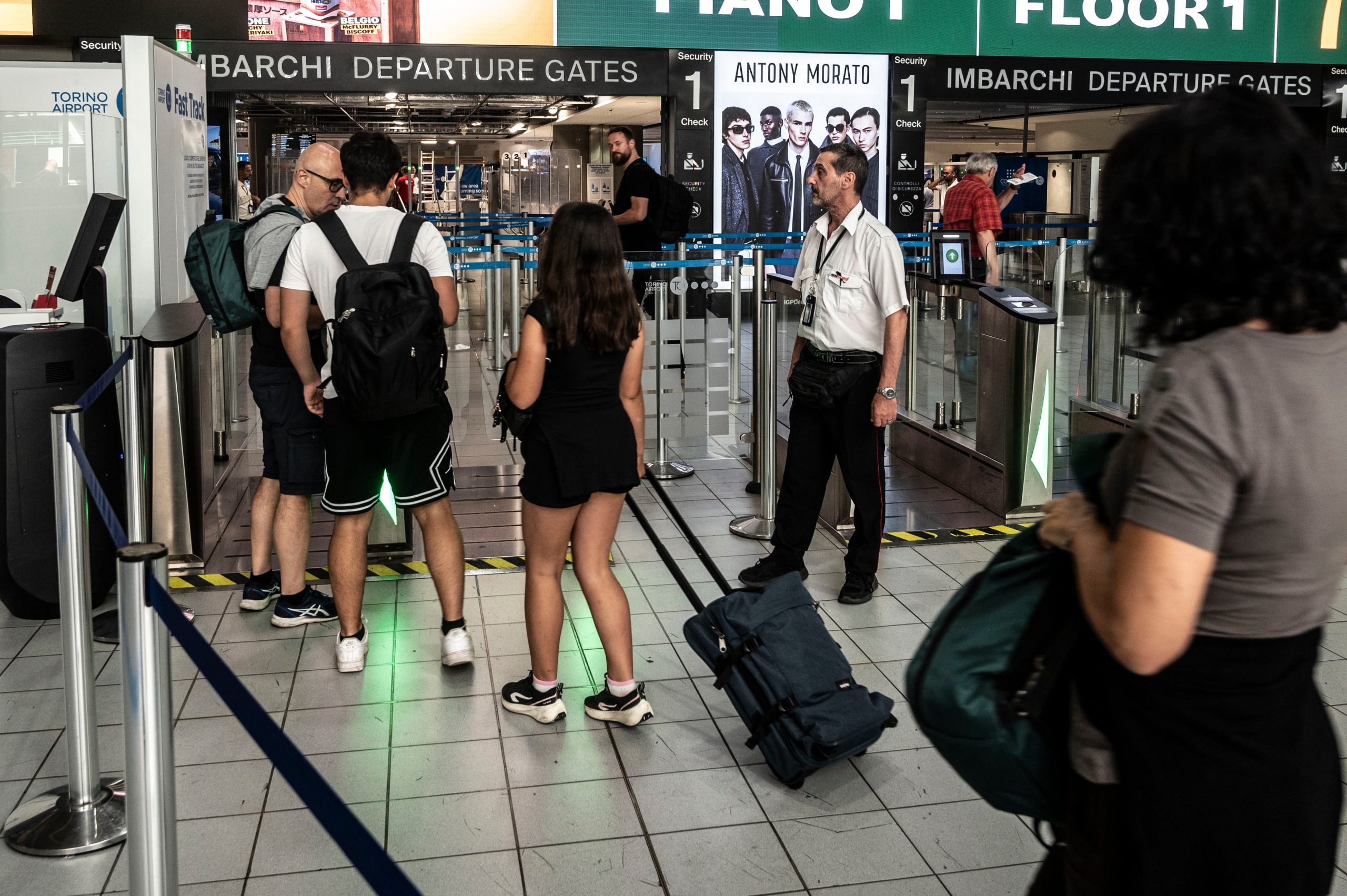
Spain on Friday threatened Italy with countermeasures if Rome did not lift this week its one-month suspension of the free-travel Schengen agreement, introduced after the mass migrant rush to Ceuta.

The rare spat between the EU and Nato allies came after tens of thousands of migrants crossed from Morocco to the Spanish north African territory last week in an unprecedented and deadly rush.

The scenes infuriated other European Union members that back a hard line on irregular immigration and the protection of the bloc’s external borders, including far-right Italian Prime Minister Giorgia Meloni.

The Spanish government again hit out at Italy on Friday for a measure it described as “unfair, contrary to the EU’s interests and discriminatory for the Spanish population”.

“We urge the government of Italy to rectify, put an end to the checks and treat Spaniards like other European citizens,” the government said in a statement.

READ ALSO: What Italy’s Schengen suspension with Spain means for travellers

“If it does not do so before the end of Sunday, August 9th, Spain will be obliged to adopt proportional measures to protect the interests and dignity of its citizens.”

The statement did not specify what the reprisals would be. Italy’s measures have included the closure of maritime and air entry points as well as the reinforcement of land border controls.

The suspension of Italy’s Schengen agreement with Spain, announced on July 31st, was an “extraordinary measure” intended to “safeguard national security and prevent possible repercussions for our nation”, Meloni said.

She was among EU leaders who called for Spain to be suspended from the visa-free Schengen travel zone after the Ceuta incident, despite such a move being legally impossible.

READ ALSO: EU nations patch things up after Ceuta migration discord

Italy’s coalition government has sought to stop the tens of thousands of migrants who land in small boats on the country’s shores each year.

The Spanish government warned against “creating rifts and sterile conflicts driven by internal electoral motives” and said “we trust that pro-European sentiment, common sense and good faith prevail”.

Of the 72,000 migrants who reached Ceuta, 70,000 have returned to Morocco, according to official Spanish figures, which have recorded 80 deaths.

Morocco’s interior ministry has said 11 people died on the Moroccan side of the border, all but one by drowning.

Those who remain in Ceuta — including hundreds of unaccompanied children — face dire living conditions with little access to food, water, shelter and sanitation.

READ ALSO: Were the US and Israel involved in migrant rush to Spain’s Ceuta?

Continue Reading
Click to comment

Leave a Reply

Your email address will not be published.

Ceuta

Última Hora De La Entrada De Inmigrantes A Ceuta, En Directo | El Gobierno Da Un Ultimátum A Italia Para Que Retire Los Controles En Frontera A Los Viajeros Procedentes De España

Published

on

By

ultima-hora-de-la-entrada-de-inmigrantes-a-ceuta,-en-directo-|-el-gobierno-da-un-ultimatum-a-italia-para-que-retire-los-controles-en-frontera-a-los-viajeros-procedentes-de-espana

El Gobierno español ha advertido a Italia de que tomará “medidas proporcionales” si no retira antes de este domingo los controles en su frontera para los viajeros procedentes de España, establecidos a raíz de la entrada masiva de migrantes en Ceuta el pasado jueves, según ha informado el Ejecutivo. Por otro lado, la ministra de Juventud e Infancia, Sira Rego, ha viajado a la ciudad autónoma de Ceuta para seguir trabajando en la acogida de los niños, niñas y adolescentes migrantes no acompañados que permanecen en la ciudad tras la entrada masiva del jueves de la semana pasada. Rego ha cifrado en 1.342 los menores registrados hasta el momento y ha asegurado que “van a ser atendidos todos”. “Ha habido una situación de desborde que ya se está controlando”, ha añadido. Además, el Gobierno registrará este viernes en el Congreso las solicitudes de comparecencia a petición propia y en periodo extraordinario de los ministros Fernando Grande-Marlaska, José Manuel Albares, Margarita Robles y Félix Bolaños para explicar la crisis migratoria en Ceuta por la que entraron más de 72.000 migrantes ilegales desde Marruecos. Fuentes del Ministerio de la Presidencia, Justicia y Relaciones con las Cortes han informado que los ministros comparecerán a finales de agosto. Por su parte, el PP ha solicitado que comparezcan la próxima semana en el Senado. El jefe del Gobierno, Pedro Sánchez, presidirá este viernes una reunión telemática de coordinación con varios ministros sobre la situación de Ceuta.

Seguir leyendo

Continue Reading

Cuba

Cuba, Paralyzed And In The Dark

Published

on

By

cuba,-paralyzed-and-in-the-dark

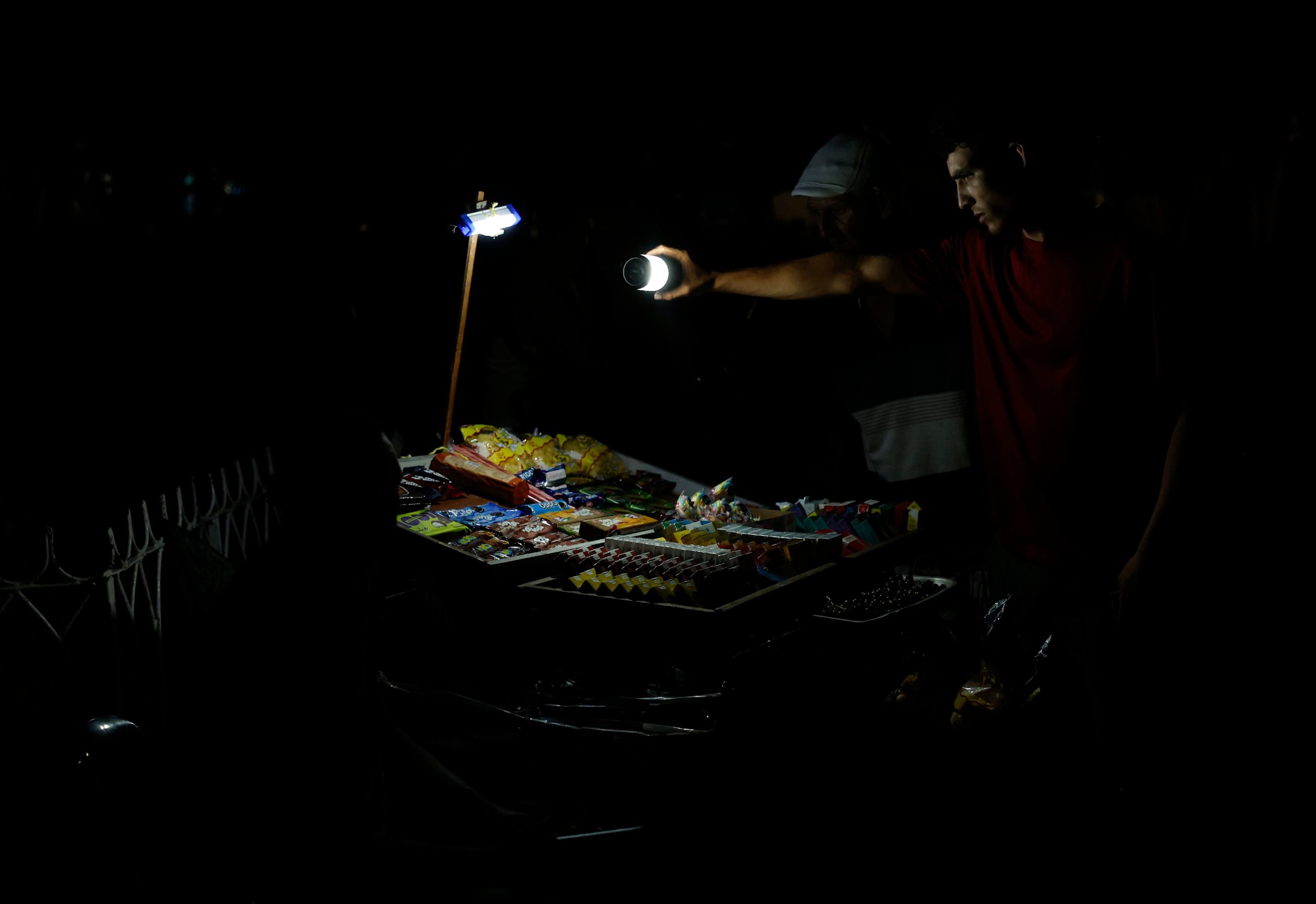
Darkness has become a test of physical and mental endurance for Cubans. Trash piles up in the streets, water is scarce and there is a shortage of medicines. Finding fresh meat, milk or eggs is impossible, and getting around a country without fuel is an epic endeavor. With two full blackouts this week, there have now been seven complete power outages on the island so far this year. The situation of systemic breakdown is unlike anything Cubans have experienced since the arrival of Castroism six decades ago. The population—whose patience and resilience have been strained by official inertia—sees that those who should guarantee a minimum of welfare remain entrenched in an outdated rhetoric, without taking real measures to ease the misery that is hitting the island. The word desperation stopped being adequate a long time ago.

In a dictatorship, the absence of protests should not be mistaken for acceptance. Cubans still vividly remember the regime’s repression after the 2021 mobilizations, which ended with hundreds detained for banging pots and pans. Miguel Díaz-Canel and his government cling to a policy of terror to maintain a fictitious stability. The president continues to blame everything on the U.S. embargo, an archaic and cruel blockade that should end, but which cannot be used as a shield to cover up negligence, incompetence and abandonment. Cuba is falling apart while a regime incapable of undertaking reforms remains passive.

There is no room left for more slogans. Amid the collapse of the thermoelectric plants’ engines, the island needs its government to acknowledge its incapacity, stop digging in behind external blame and work on real reforms. Cuba urgently needs a pragmatic turn that will allow economic and political freedom. That can only be a domestic decision, and an urgent one, since Donald Trump’s Washington has already made its ambitions to control the island clear, as it has with Venezuela.

Only a democratic future—whose first steps cannot wait any longer—offers any chance of averting the shameless U.S. plan for the island. The Cuban government must open spaces of freedom before its people throw themselves into Trump’s arms out of sheer desperation. That means freeing political prisoners, stopping the harassment of dissidents, guaranteeing basic civil liberties, dismantling the surveillance apparatus that paralyzes citizens and, inevitably, allowing Cubans the possibility to decide their future.

Hunger and misery are a time bomb. The trench of dogma only guarantees more darkness, more exodus and more discontent. Cuban leadership cannot continue governing the ruins of a country that is wasting away in the dark.

Sign up for our weekly newsletter to get more English-language news coverage from EL PAÍS USA Edition

Continue Reading

Ceuta

Pulso Entre El Gobierno Y El PP Por Las Explicaciones Parlamentarias Sobre La Crisis De Ceuta

Published

on

pulso-entre-el-gobierno-y-el-pp-por-las-explicaciones-parlamentarias-sobre-la-crisis-de-ceuta

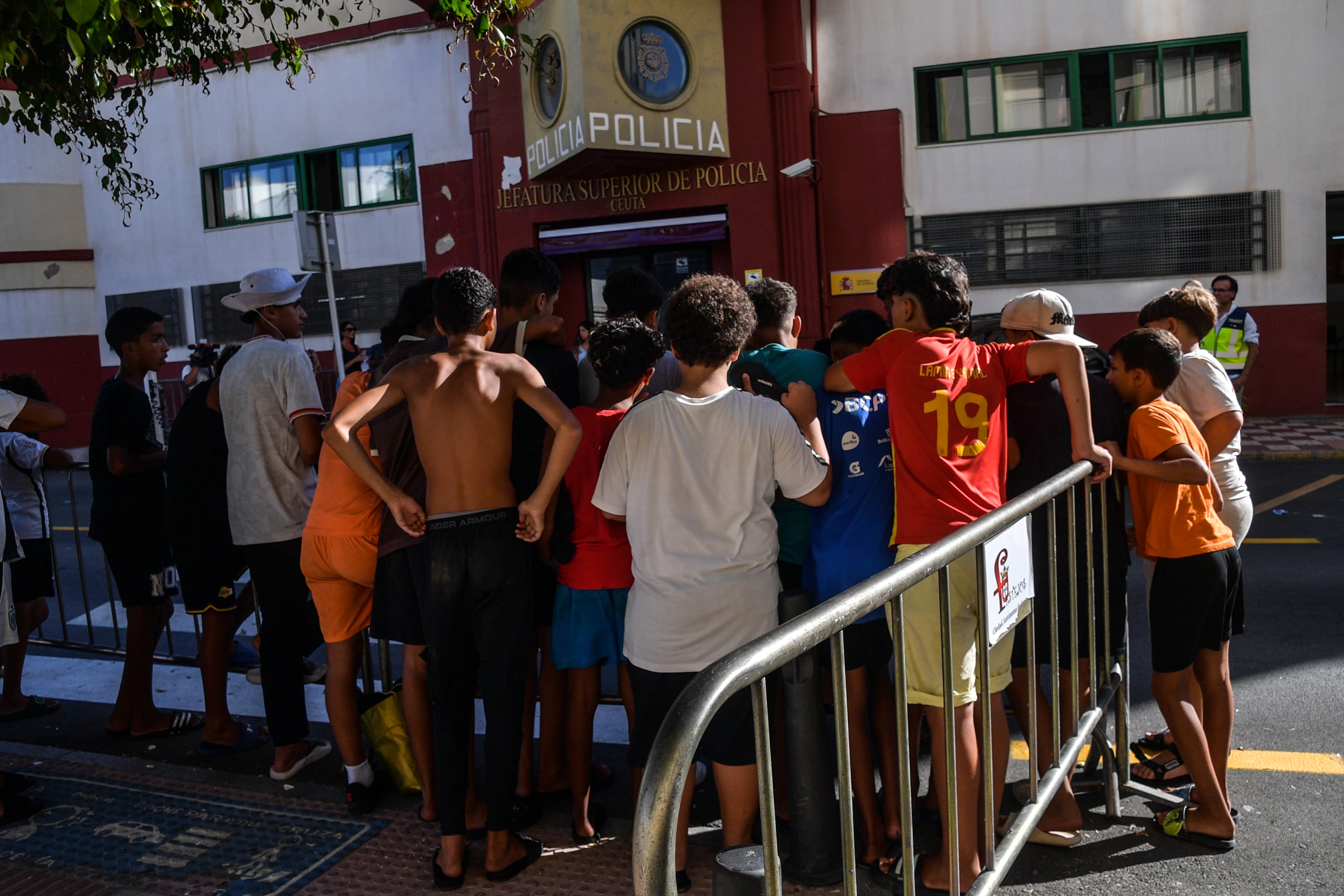
Un grupo de menores espera frente a la Jefatura Superior de Policía de Ceuta, este jueves.

El pulso político entre Gobierno y Partido Popular por la crisis de Ceuta se traslada ahora a las explicaciones que el Ejecutivo ofrecerá en las Cortes. El Gobierno se tomará aún unos días y comparecerá en el Congreso a partir del martes 25. Fuentes de La Moncloa han anunciado el registro este viernes en la Cámara baja de las solicitudes de comparecencia a petición propia de los ministros del Interior, Fernando Grande-Marlaska; Exteriores, José Manuel Albares; Defensa, Margarita Robles; y Presidencia y Justicia, Félix Bolaños, ante sus respectivas comisiones. El Gobierno ha pedido al Senado que desconvoque las citas fijadas por el PP, cuya pretensión era provocar esos debates todavía con la crisis en caliente. Los populares citaron en la Cámara alta, donde tienen mayoría absoluta y controlan totalmente los tiempos y la agenda, a Marlaska, Robles y Albares ya para la próxima semana. En caso de que el Senado no acepte esa petición, el Ejecutivo anticipa que ignorará las convocatorias.

Seguir leyendo

Continue Reading

Trending

Copyright © 2017 Spanish Property & News