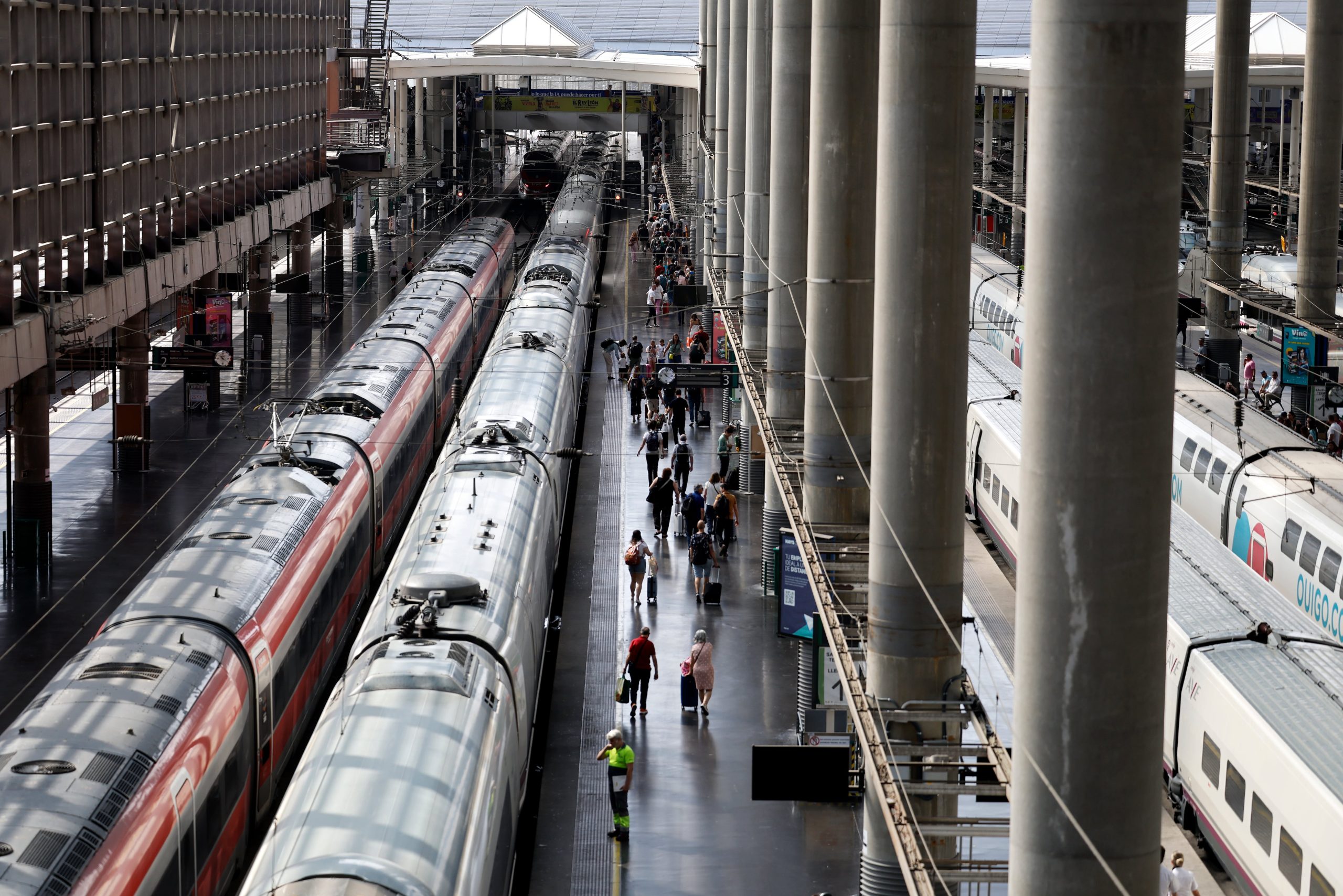
The Madrid–Seville high-speed rail line, where two trains collided on Wednesday, has several signalling and protection systems designed to regulate traffic, control the distance between trains and reduce the risk of accidents. According to government sources, early evidence suggests the collision may have been triggered by human error after a failure in the line’s main signalling system.
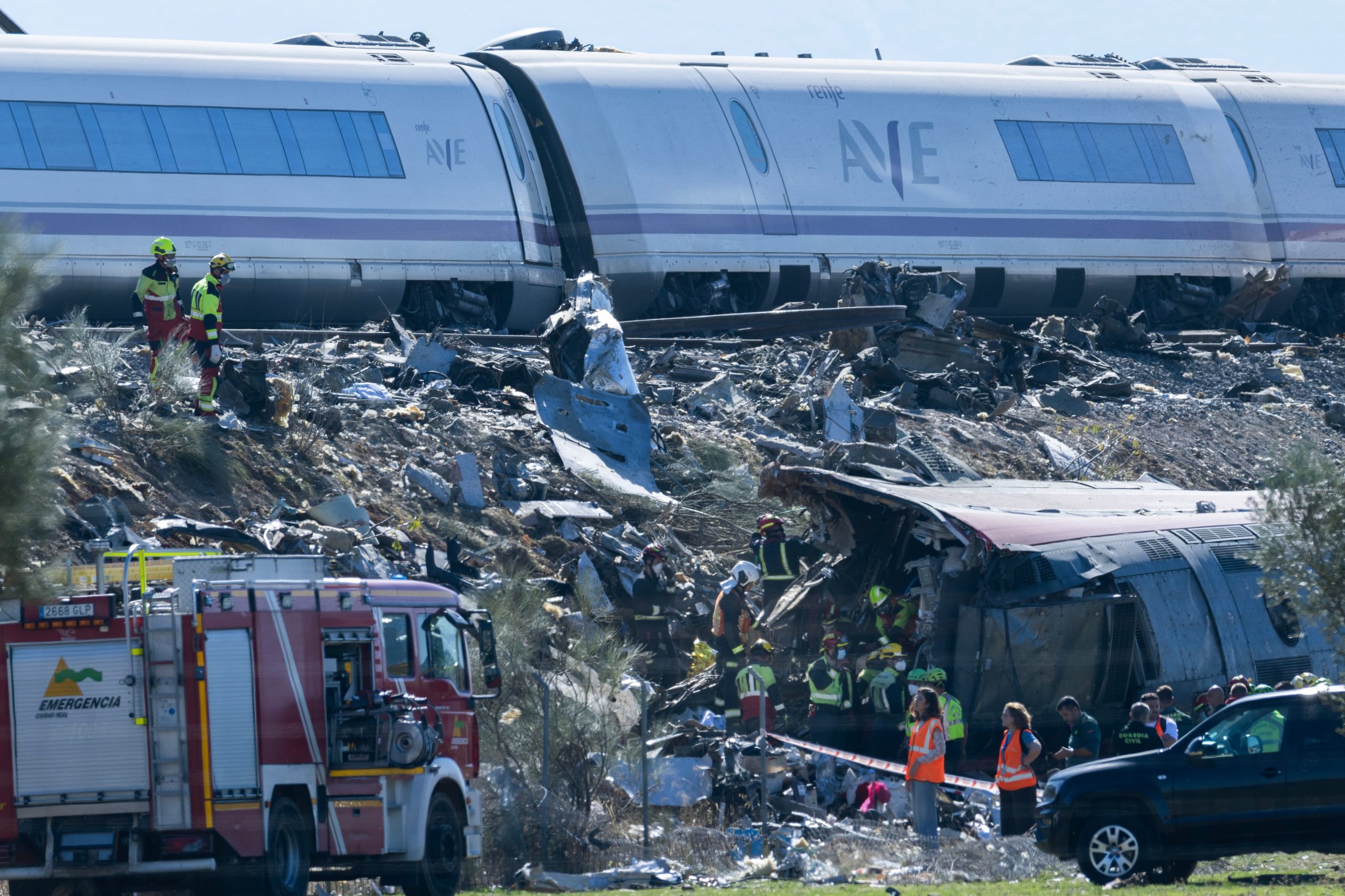
The collision occurred at kilometer 118 of the line, between the towns of Mora, Orgaz and Urda, in the province of Toledo, on Spain’s oldest high-speed railway, which opened in April 1992 to coincide with that year’s Universal Exposition in Seville.
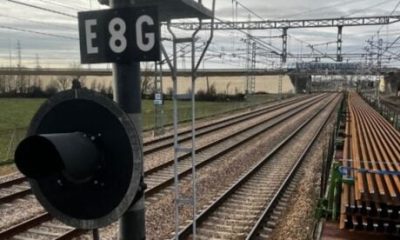
According to Adif’s Network Statement, which details the characteristics of the rail infrastructure and the access conditions for train operators, the infrastructure uses the German LZB (Linienzugbeeinflussung) system, a railway safety technology that continuously monitors train speeds and transmits traffic instructions to the engineer’s cab. However, when the automated safety system fails, operations revert to manual control.
Early reports suggest that the safety system failed on Wednesday, causing eight trains in the area to be brought to a halt. The control center subsequently switched to manual operation and instructed all trains to resume their journeys. One Iryo service, however, was unable to restart and remained stationary on the track. Following an instruction issued by the controller at Madrid’s Atocha control center, an AVE high-speed train travelling behind it resumed service and shortly afterwards collided with the Iryo train at a speed that has not yet been determined.
The Madrid-Seville high-speed rail line is currently undergoing a major modernization program. The LZB system is being replaced by the more advanced European Rail Traffic Management System (ERTMS), an EU initiative designed to standardize railroad signaling and control systems across Europe and ensure interoperability between national networks. The version being deployed on the line, ERTMS Level 2, also provides continuous speed and braking supervision but relies on radio communications rather than information transmitted at fixed points by trackside devices.
Rail safety does not depend on a single technology. The infrastructure combines signaling systems, train-detection equipment, and block-control procedures designed to maintain safe separation between trains and prevent conflicting movements. Among the protection systems in use is ASFA (Announcement of Signals and Automatic Braking), which transmits information from trackside beacons to the train operator. Installed on all major lines owned by Spain’s state-owned railway infrastructure manager Adif, including the route connecting central Spain with Andalusia, ASFA alerts operators to certain fixed signals, monitors speed as trains approach them, and can automatically apply the brakes in specific situations, such as when a train passes a stop signal.
In addition to these train protection systems, the rail network relies on a range of traffic-management safety mechanisms, including block-control systems. According to Adif’s Network Statement, the line where the crash occurred is equipped with an Automatic Block Control (BCA) system. Under this system, train operators receive continuous information in the cab about speed and distance, helping ensure that speed limits are not exceeded.
Adif’s signalling technical standards (NAS 811) also include train detection systems, which are used to divide the track into sections (blocks) and continuously identify the presence or absence of movements, enabling safe management of rail traffic.
Added to all this are the communications systems with the command center. Spanish high-speed lines use GSM-R, a mobile technology that enables voice and data communications between trains and control centers through dedicated frequency bands to avoid interference. GSM-R replaced the older analog Train-Ground system, which provided communications between individual trains and the control center.
Investigators will now have to reconstruct the full sequence of events, from the possible signaling failure to the order for trains to resume service and the subsequent collision, in order to determine whether the prescribed procedures were followed and whether any technical or human errors contributed to the crash.
Sign up for our weekly newsletter to get more English-language news coverage from EL PAÍS USA Edition
















 Uncategorized4 weeks ago