Connect with us

Health and Beauty

Your sunscreen may no longer be allowed on some tourist beaches

Published

on

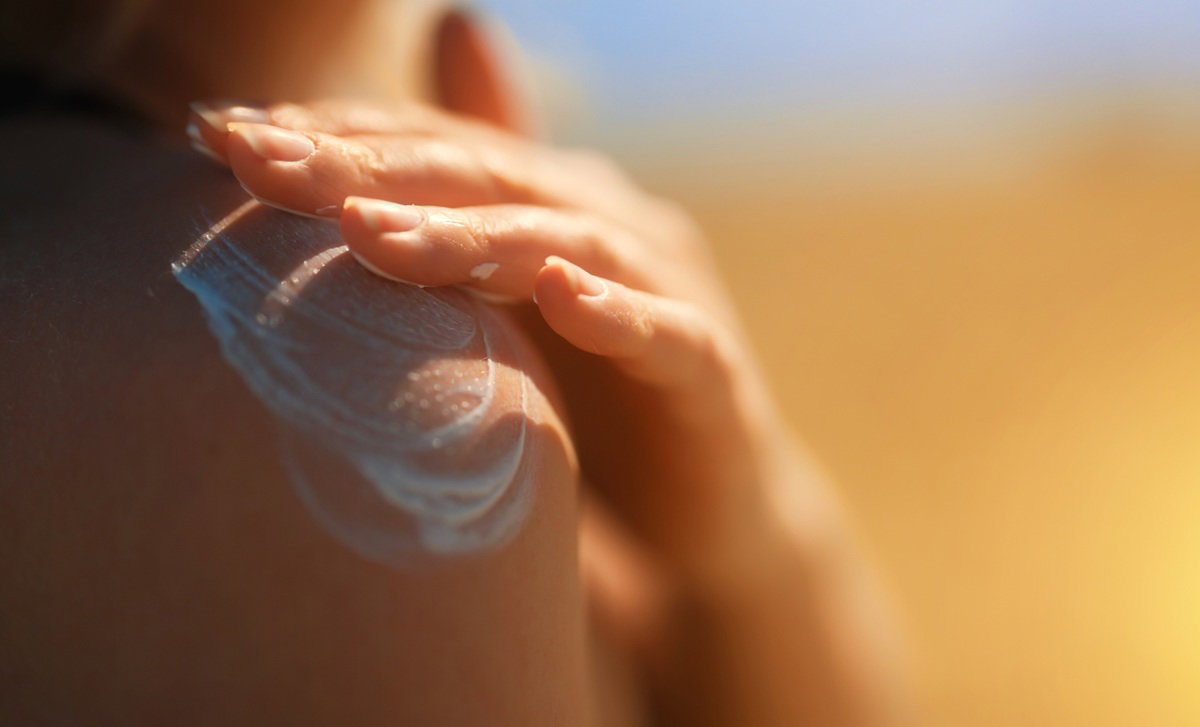
Some tourist beaches are starting to restrict certain sunscreens over environmental concerns
Credit : M-Production, Shutterstock

Packing sunscreen for a beach holiday feels automatic for most travellers. But in some of the world’s most popular coastal destinations, certain sunscreens are now being restricted because of concerns over damage to marine life. That means a product many people use every summer could become a problem depending on where they travel.

The changes are already happening in several tourist hotspots, particularly in places known for coral reefs and protected coastal areas. While nobody is being told to stop protecting their skin, authorities are starting to draw a line around which products are considered acceptable.

Why some sunscreens are causing concern

The issue is linked to chemicals found in many traditional sunscreens.

Ingredients such as oxybenzone, octinoxate and some parabens are commonly used in products designed to protect the skin from UV rays. Scientists and environmental groups have raised concerns for years about the effect these substances may have once they enter the sea.

When thousands of swimmers use sunscreen in the same area, traces of those chemicals wash into the water. In sensitive marine environments, especially around coral reefs, researchers say that can contribute to coral bleaching and damage fragile ecosystems.

That concern has pushed several destinations to act.

The idea is not to ban sun protection itself. The aim is to reduce the use of products considered more harmful to marine environments while encouraging alternatives seen as less damaging.

The beach destinations already changing the rules

Some of the best known holiday destinations have already introduced restrictions. Places in the Caribbean, parts of Mexico, Costa Rica and Hawaii have all adopted rules limiting certain sunscreens. In most cases, the focus is on protecting coral reefs and coastal ecosystems that attract large numbers of tourists every year.

Palau was one of the first countries to move in this direction when it introduced restrictions on reef damaging sunscreens in 2020. Since then, other tourist destinations have followed with their own versions of the rules.

The exact regulations vary from place to place. Some destinations ban specific ingredients. Others encourage visitors to switch to mineral based products instead.

For tourists, that means the same bottle of sunscreen that is perfectly acceptable at one beach may not be welcomed at another.

What travellers are being encouraged to use instead

As restrictions spread, reef friendly sunscreens are becoming easier to find.

These products usually rely on mineral ingredients such as zinc oxide or titanium dioxide rather than the chemical filters that have raised environmental concerns. They are often marketed as reef safe and are increasingly recommended in protected coastal areas.

Hotels, beach shops and pharmacies in affected destinations have also started adapting to the change, with more shelves dedicated to alternative products.

At the same time, another trend has started attracting attention online. Oral sun protection supplements are being promoted as an alternative way to protect the skin.

These products are often made using plant extracts such as Polypodium leucotomos and are marketed as helping reduce the effects of UV exposure.

Dermatologists, however, continue to warn that these supplements are not a replacement for sunscreen. They may offer additional support, but they do not provide complete protection against sunburn or long term sun damage.

That means travellers still need proper topical protection when spending time in the sun.

Why this matters more this summer

The timing is not accidental. As temperatures rise and beach tourism returns to peak season levels, destinations are once again facing huge numbers of visitors. Coastal authorities are under pressure to balance tourism with environmental protection, especially in areas where ecosystems are already vulnerable.

For many travellers, sunscreen restrictions may still sound surprising. After all, sunscreen has long been promoted as essential for preventing skin damage and reducing cancer risk.

That is why most destinations introducing restrictions are careful about how they communicate the rules. The message is not to stop using protection, but to choose products that are considered less harmful to the environment.

It also reflects a wider shift happening across tourism. More destinations are introducing rules linked to sustainability, from limits on cruise ships to tourist taxes and environmental protections.

Beach products are now part of that conversation too.

What tourists should do before travelling

For anyone planning a beach holiday this year, the safest option is to check local guidance before travelling.

Some destinations clearly list which ingredients are restricted and which types of sunscreen are recommended. Buying a suitable product before arriving can avoid confusion once you are there. Travellers should also remember that sun exposure remains a serious health issue, particularly during summer heatwaves.

The goal is not to avoid sunscreen, but to use products that protect both the skin and the environment where possible.

For many tourists, it will probably be the first time they think about what is actually inside the sunscreen they use. But with more destinations introducing restrictions, it is unlikely to be the last.

%

Why Cardiac Arrest Deaths Are Rising In Spain

Published

on

why-cardiac-arrest-deaths-are-rising-in-spain

Ambulance in traffic. Credit: Jose HERNANDEZ Camera 51 – Shutterstock

People in Spain are facing a troubling health crisis as the number of sudden cardiac deaths has overtaken those of the rest of Europe. Data published in The Lancet Regional Health has revealed a 3.3 per cent annual climb in these sudden fatalities within the country. Researchers tracked 53 million cases throughout a decade, identifying ventricular fibrillation as the primary culprit behind hearts suddenly stopping without any warning.

Life expectancy and lifestyle factors

Increased longevity contributes heavily to the numbers, given that Spain maintains one of the highest life expectancies globally. Older individuals quite naturally carry a greater risk of cardiovascular issues, yet experts also point toward declining activity levels and poor dietary habits. Women, in particular, show a faster rate of increase than previously recorded, often linked to rising rates of obesity, hypertension, and diabetes.

Advanced diagnostic tracking might explain why Spanish figures look more alarming than those of neighbouring nations. Forensic teams and emergency services have improved how they categorise these deaths, leading to better reporting rather than just more cases. Accurate data remains essential for developing future prevention strategies and national health policies to protect vulnerable citizens. Nonetheless, a cardiac arrest is not always linked to physical fitness, as one may strike at any time of life.

Defibrillator access across Europe

Today, nations across Europe show vast differences in preparedness and how they provide life-saving equipment to the general public. Denmark and the Netherlands lead the rankings, having integrated public defibrillators (AEDs) into volunteer responder apps and emergency systems. France and Portugal have also introduced laws requiring devices in public buildings and large schools to make sure the right equipment is available when needed.

British citizens benefit from “The Circuit“, a national network mapping every available device for emergency dispatchers to use during emergency 999 calls. The technology is much better today, as well. AEDs (automatic external defibrillators) can be used by anybody, not just medical professionals, and the cost has come down considerably. Compared to much of the kit a professional ambulance carries, modern AEDs cost around €2,000.

Southern Europe dangerously lacking

Contrastingly, Balkan states such as Bulgaria and Serbia report much lower density, with equipment mostly confined to private clinics or major airports. Spanish cities offer reasonable coverage, but rural areas still lack the necessary infrastructure to combat this growing health crisis effectively.

One of the demographics most at risk in Spain is the retired. As in Spain, many prefer to spend their later years far from the city centres, such as living on golf resorts or in country houses, the average time it takes for an ambulance to fight traffic and arrive becomes considerable, and with saving a life during cardiac arrest, speed is essential.

Campaigns such as Save A Life in the Costa del Sol are attempting to turn the tide by installing AEDs in more places as well as encouraging first aid courses for the public so that more are equipped to deal with life-or-death emergencies whenever they should strike.

Learning how to save a life in Costa del Sol

Continue Reading

%

“Explosive” Hay Fever Warnings For Drivers In Spain

Published

on

“explosive”-hay-fever-warnings-for-drivers-in-spain

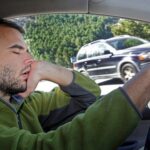
Feeling sleepy at the wheel? Antihistamines will do that. Credit: DGT

Hay fever season is upon us again and poses fresh dangers, especially for drivers in Andalucia as pollen counts are rising abnormally rapidly across the region.

University specialists are saying there are very high concentrations of olive and parietaria pollen in the local atmosphere. Plentiful winter rains nourished plants extensively, while recent early warmth has been accelerating the entire pollination cycle.

María del Mar Trigo from the University of Malaga aerobiology group is calling for extra caution among those sensitive to olive pollen, and now specialists predict the concentrations will keep rising in the coming weeks.

Factors behind “explosive” hay fever in Andalucia

Abundant precipitation over autumn and winter boosted plant growth and pollen output according to hospital allergy chiefs. Doctor Leticia Herrero at Quirónsalud Malaga links the higher pollen to how rains water plants and lift production levels. Doctor José Manuel Barceló at Vithas Malaga points to the sudden heat as a key factor speeding up the process.

Olive pollen proves one of the most problematic types in southern Spain, with peaks expected late April into May. Particles from this source travel distances of 100 kilometres so grains reach Malaga even from North Africa. Encina (holm oak) and cork oak pollens register extremely elevated amounts yet provoke reactions in few individuals only. Pollen from pines, ribwort chenopod pollen and dock pollen also fills the air during this full spring period. This combination creates conditions ripe for difficult symptoms in allergy sufferers.

Guardia Civil issues allergy warning for drivers

Traffic police who deal with elevated numbers of accidents at this time of year in Spain advise checking antihistamine labels for drowsiness effects before getting behind the wheel. Also, a single sneeze at motorway speeds covers multiple metres without clear vision for the driver.

Safe travel depends on full concentration and clear vision throughout the entirety of every journey. Motorists receive this message directly from Guardia Civil social media channels. Attention at the wheel remains essential to prevent accidents during high pollen days.

Pollen monitoring tools for those in Andalucia

Those living in or visiting the south of Spain should consult real-time data on the aerobiologia.uma.es website or via the Polen REA mobile application. These resources detail pollen types and readings for specific locations. Information covers olive, grass, plantain and other common varieties active now. Users can download the application easily for updates on their phone.

Tips to handle hay fever without risking safety

  • Protective sunglasses and masks help reduce exposure during breezy conditions.
  • Common medications include antihistamines, nasal sprays and eye drops for immediate relief.
  • Immunotherapy offers a longer course that retrains immune responses over several years.
  • Doctors stress early medical checks because symptoms appear across all age groups.

Colds clear up fast, but hay fever effects stretch for weeks or months, so correct identification matters. Early action will lead to better management of the condition overall. And don’t forget to take some Kleenex on your journeys.

Continue Reading

%

Is The Global Medicine Supply At Risk?

Published

on

is-the-global-medicine-supply-at-risk?

Fitness to practice: why world leaders lack the oversight of doctors

Many professions issue fitness to practice licences of one sort or another, and I’m sure you draw comfort from the fact that your dentist, doctor, even your bank manager are all subject to some kind of external verification from time to time, and will hold some form of fitness to practice license of some sort. Shame this doesn’t seem to apply to leaders of the free world.

The geopolitical fallout: why the Iran situation matters

Speaking personally, I’m furious with the action taken by the United States, or rather their deranged President, regarding the supposed immediate threat to the rest of world posed by Iran. There is no doubt that the past and current regime in Iran treat their own citizens with contempt, and any civilised nation will feel disgust and wish for a fairer, and more humane, society. But the actions taken by the United States, and its supporters, are having real-world impacts for everyone and unlikely to improve the situation for ordinary Iranians.

Trade disruptions: how the straits of Hormuz affect your healthcare

The closure of the straits of Hormoz to commercial shipping and the various restrictions on airspace and overflying are more than an inconvenience; they could seriously impact the lives of vulnerable people all over the world, thanks to the fact that pharmaceuticals are very much a part of globalisation that has evolved over the past thirty years or so.

It might come as a surprise to know that hardly any country is self-sufficient these days when it comes to medicines. Pretty much everywhere imports a substantial proportion of the medicines they require. The disruption to international trade is pushing up costs, and at the same time countries that are being directly impacted are in need of extra stocks, add to that those countries that manufacture certain medicines have decided to suspend exports keeping products for their own, and this may come as a further surprise but many medicines start life with a petroleum product in there somewhere.

Shortage alerts: what patients in the uk and spain need to know

The British Medical Journal has reported that there is already a shortage of certain medicines in the UK. Spain, as things stand at the moment has not formally issued any alerts, but of course that may change. If you are reliant on any long-term medication to help control things like high blood pressure, cardiac conditions, diabetes, or types of anxiety then it maybe an idea to have a chat with your pharmacist the next time you fill a prescription just to find out how things stand. This isn’t something to worry about right now, and if things do deteriorate the Spanish Government have central stocks and also plans in case shortages become severe. As a member of the EU there are also EU-wide contingency plans that are now being activated.

The obvious solution would be for every nation state to be self sufficient and manufacture their own medicines, but this just isn’t practical – nor should it be necessary.

A question of mental fitness: the case for revoking a president’s ‘license’

I referred to the President of the United States as deranged, I think it is important to stick to international conventions and protocol; and so, I should say whilst I have the utmost respect for the Office of the President of the United States, I believe the current holder of that office to be deranged. This is a view that is widely shared within medical circles, although the term most often used is ‘Malignant Narcissism and Paranoia’ which actually includes a broad mix of various personality disorders. This isn’t a case of someone who gets occasionally confused or forgetful, it is someone who compares themselves to messiah-like figures, in unable to experience empathy, and also appears to enjoy sadistic behaviour. In my view, his fitness to practice license should be revoked immediately as he currently poses a serious threat to public safety.

Mr Trump is not only threatening world-wide disruption to pharmaceutical manufacturing and distribution, but he has destroyed medical facilities and killed, and injured, medical personnel. This is a clear violation of the First Geneva Convention. Deliberate violations of any of the Geneva Conventions, there are four of them with two additional protocols, is a war crime.

Normal, balanced, reasonably educated people would not threaten to annihilate an entire population and return it to the Stone Age, nor would they share such a desire on some global media platform, unless they suffered from some major personality disorder. Geneva Convention number four, along with Additional Protocol 1, forbids any deliberate attacks against the civilian population and any civilian infrastructure considered to be essential. This would constitute a war crime.


And now for something completely different: managing hay fever safely

I don’t often stray into politics (or religion for that matter) but things have recently seemed to be getting out of control, so I apologise. Back to more familiar territory and I think steroid nasal decongestants would be as good a place as any.

With the hay fever and general pollen season about to unleash misery upon many people I wanted to share something about popular nasal decongestants that are steroid based, as most are. These sprays are very effective at reducing congestion and people who suffer from pollen allergies find them particularly useful. As with most medications there are some side effects but these tend to be fairly minor and disappear once treatment stops. Nasal steroids are generally considered very safe because the active ingredient (the steroid) is actually delivered to the place where it needs to act which is the lining of the nose. Steroid decongestants which are taken orally, on the other hand, probably don’t actually help that much because once the medication has been swallowed and passed trough the liver before it gets into the bloodstream and then reaches the nose there often isn’t enough left to have any meaningful effect. If you increase the oral dose you run the real risk of causing blood pressure to spike. For this reason, the spays are the best way of safely delivering steroids to the nose.

Understanding the rebound effect: what is rhinitis medicamentosa?

There is one important caveat. Because steroid spays are so good at doing their job, if you use them for a prolonged period of time and then stop you run the risk of something known as ‘rebound effect’. Essentially what happens is when the spay hits your nose the small delicate blood vessels all shrink and contract, this is what gives you the relief. If you continue with the spray for too long your nose gets used to these constricted blood vessels. Stop the spay and the blood vessels quickly relax and fill again with more blood which in itself causes congestion. This is known as Rhinitis Medicamentosa, which as the name implies is a direct result of using the medication. Current advice if you are one of the unlucky ones to suffer from pollen allergies, is to use the sprays sparingly and if you do have to use them for a prolonged period seek advice from your GP about the safest way of stopping use, which usually means a gradual withdrawal combined with saline sprays which allow time for the nasal tissue to recover.

Be prepared: essential items for a home first aid kit

Last week, I was enjoying a pleasant lunch with a group of friends – something I should make time for more often – when one person mentioned they were “stocking up on a few essentials” in case global events took a turn for the worse and local supermarkets began to run short of everyday necessities, and not just toilet paper. The conversation then shifted to what should be kept in a well-prepared home first aid kit.

Regardless of global circumstances, it is advisable for every household to maintain a comprehensive first aid kit. I would recommend including the following items:

  • A sufficient supply of adhesive plasters and a range of sterile bandages
  • Disposable gloves (they do not need to be sterile)
  • Triangular bandages, which can be used as slings or for securing larger dressings
  • A variety of sterile, non-adherent dressing pads
  • A roll of cling film, useful for covering burns and helping to retain moisture
  • Antiseptic lotion
  • Antiseptic cream
  • Adhesive wound closure strips
  • Paracetamol tablets
  • Loperamide tablets (for diarrhoea)
  • Tweezers (both blunt and pointed) for removing debris
  • Scissors, including a pair capable of cutting through clothing quickly
  • A reliable torch

In addition, it is prudent to keep a reserve supply of bottled drinking water, as well as any medications that you or your family members regularly require.

For further guidance on general emergency preparedness, you may wish to consult reputable organisations such as the Red Cross or your local Civil Protection office.

Stay informed on these changes by following the latest health and beauty news.

Continue Reading

Trending

Copyright © 2017 Spanish Property & News