Connect with us

%

Malva Beach By Txema Palacio In Estepona

Published

on

malva-beach-by-txema-palacio-in-estepona

Txema Palacio’s Malva Beach, Estepona. Credit: Lima

Fresh Mediterranean flavours meet Basque tradition at La Rada beach, as Chef Txema Palacio introduces a refined gastronomic experience to the Costa del Sol.

Estepona has welcomed a sophisticated addition to its shoreline with the reopening of Malva Beach by Txema Palacio. Situated directly on the sands of La Rada beach on entering Estepona, the restaurant goes further than the typical “chiringuito” concept and offers a meticulously curated environment where the Mediterranean Sea dictates the tempo of the kitchen. Harmony defines the space, which features warm timber furnishings and a relaxed hammock area designed for slow, coastal enjoyment.

Basque heritage meets Andalucian light

Chef Txema Palacio brings a distinctive identity to the table, rooted in his Bilbao upbringing. His culinary philosophy relies on impeccable product traceability and technical precision, avoiding unnecessary gimmicks. This approach creates a bridge between two Spanish territories: the rigorous techniques and rich sauces of the north and the fresh produce, olive oils, and brilliant light of the south.

Flavour serves as the fundamental starting point for each creation. Palacio focuses heavily on the balance of juices and stocks, making sure each plate carries a clear sense of purpose. Traditional methods evolve into contemporary expressions, resulting in honest dishes that invite guests to stay a little longer and soak up the calming atmosphere like an escape from the bustle.

Fire and the art of the grill

Open flames play an essential role in the Malva Beach kitchen. Grilling over hot coals adds character and depth to noble fish, shellfish, and spectacular meats. This direct, honest cooking style brings out nuances that are often lost in more complex preparations. Guests can explore this range through a specially designed six-course tasting menu, which serves as a chronological journey through the chef’s career, from his early days in Basque “casas de comidas” to his current mastery of Andalusian ingredients.

Curated wines and coastal cocktails

Exceptional beverages complete the dining experience. The cellar boasts an extensive selection of Spanish labels, with a particular emphasis on fortified wines from Andalucia and prestigious Champagnes. For those seeking a creative alternative, the cocktail menu features original signature recipes such as the Matcha Martini and the Santorini Spritz. These drinks are crafted to extend the beachside experience, providing a refreshing accompaniment to the rhythmic sound of the waves.

Malva Beach by Txema Palacio represents a commitment to quality and consistency. It is a destination where every detail, from the provenance of the vegetables to the temperature of the grill, is managed with professional care. Estepona’s gastronomic scene gains a soulful, elegant venue where the sea remains the ultimate protagonist.

Find Malva Beach on Avenida España, 2, Estepona, at the beginning of the promenade. Call 744 750 186 to book or visit malvabeach.es.

%

Spain Tax Return: Home Insurance Deduction

Published

on

spain-tax-return:-home-insurance-deduction

Some homeowners in Spain can deduct part of their home insurance in the 2025 tax return Credit : Zhanna Hapanovich, Shutterstock

If you are getting ready to submit your tax return in Spain, there is one detail that could quietly reduce what you pay. From April 8, when the 2025 income tax campaign opens, some homeowners will be able to deduct part of their home insurance. The catch is that not everyone qualifies, and many people miss it simply because they assume it does not apply to them.

This is not a new benefit, but it is one that still catches people out every year. If you bought your home under certain conditions and still have a mortgage, there is a good chance you could be eligible without even realising it.

Who can actually claim the home insurance deduction

The first thing that matters is when you bought your home. This deduction is linked to older tax rules that still apply to properties purchased before January 1, 2013. If your home was bought after that date, this specific benefit will not apply, even if you have a mortgage and insurance in place.

The second condition is just as important. Your home insurance must be connected to an active mortgage, and in most cases, it needs to have been arranged with the same bank that granted the loan.

For many homeowners, that will sound familiar. When taking out a mortgage, banks often require insurance as part of the agreement. That is exactly the situation where this deduction comes into play.

But having insurance on its own is not enough. It has to be tied to the mortgage from the beginning.

Why many homeowners overlook this deduction

Every year, thousands of people go through the same routine. They open their draft tax return, check the main figures, and accept it without making changes. It feels easier and quicker, especially if nothing obvious looks wrong.

The problem is that the draft does not always include everything. Some deductions, particularly those linked to older rules, can be missing. Others may not be calculated correctly because the system does not have all the necessary details.

That is why tax advisers often say the same thing. Do not accept the draft without checking it carefully.

This home insurance deduction is a good example. It is easy to overlook, especially if you have had the same mortgage for years and do not think about it anymore.

What part of your insurance you can deduct

Even if you meet the conditions, there is another point that often causes confusion. You cannot deduct the full cost of your home insurance.

Only the part that is directly linked to the mortgage can be included in your tax return. If your policy includes extra coverage, such as protection for valuables or optional services, that portion does not count.

In practice, this means you may need to look closely at your insurance documents. Some policies clearly separate the different elements. Others bundle everything together, which makes it harder to identify the exact amount that can be deducted.

If you are unsure, it is worth contacting your bank or insurer. A quick check could help you avoid mistakes and make sure you claim what you are entitled to.

When the 2025 tax campaign begins in Spain

The timeline is already underway. The 2025 income tax campaign opened on April 8, and taxpayers can now file their returns online. As in previous years, the process runs over several weeks, with different options available depending on your situation.

For many people, the first step is to review the draft provided by the tax authorities. That is where it is worth slowing down and checking the details carefully.

Mortgage information, insurance payments and any deductions linked to your home should all be reviewed before confirming the return. Taking a bit more time at this stage can still make a difference.

A small detail that can reduce your tax bill

For most homeowners, this deduction will not lead to huge savings. But that does not mean it should be ignored.

Tax returns are built on small adjustments. One deduction on its own may seem minor, but combined with others, it can change the final outcome.

For those who bought their home before 2013 and still have a mortgage, this is one of those details that is easy to miss but worth checking.

It is also one of the few remaining benefits linked to the old rules on primary residence investment, which no longer apply to newer buyers.

That is why it still matters.

Before you submit your tax return, take a second look

If you are planning to file your return as soon as the campaign opens, it may be worth pausing for a moment. Check when you bought your home. Look at your mortgage. Review your insurance.

If everything lines up, you could be entitled to a deduction that is not immediately obvious. And if you skip that step, you may end up paying more than you need to.

In a process that many people rush through every year, this is one detail that deserves a closer look.

Continue Reading

%

Digging In The Sand In Spain? It Could Lead To A €60,000 Fine

Published

on

digging-in-the-sand-in-spain?-it-could-lead-to-a-e60,000-fine

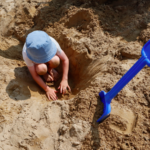
Beach regulations extend beyond digging and removing materials. Photo credit: Cavan-Images/Shutterstock

As the days begin to get longer and the weather warmer, beaches across Spain begin to fill with visitors making the most of the weather. From long afternoons by the sea to early morning walks along the shore, the coastline remains one of the country’s most valued public spaces. For many, part of the appeal lies in its simplicity, sand, sea and the freedom to enjoy both.

Yet alongside this seasonal influx comes a renewed focus on how these spaces are used. In recent years, local authorities and environmental bodies have increased efforts to protect coastal areas, leading to growing awareness of rules that many people may not realise exist. Among the most widely discussed is the possibility of fines reaching as high as €60,000 for certain activities carried out on the beach.

The law behind the headlines

These reports are based on Spain’s coastal protection framework, primarily the Ley de Costas de España. This legislation defines beaches as part of the public domain and restricts actions that could damage, alter or remove elements from the natural environment.

While most often focus on digging holes, the law itself is broader. It applies to any activity that significantly interferes with the natural state of the coastline, rather than targeting everyday beach use.

Digging and altering the sand

Digging is one of the most frequently cited examples, but not all digging is treated the same. Casual activities such as building sandcastles or lightly moving sand are considered normal and are not typically penalised.

Problems arise when digging becomes extensive. Creating large or deep holes can pose a safety risk to other beach users and may also affect the stability of the sand. In such cases, authorities may intervene, particularly if the activity alters the beach in a noticeable way.

Taking sand, shells and stones

The same legal framework also covers the removal of natural materials. Sand, stones and shells are all considered part of the coastal ecosystem and are not meant to be taken away.

In practice, enforcement depends on scale. Taking a single shell as a souvenir is unlikely to result in action. However, collecting multiple items or removing materials in larger quantities can be treated as an offence. Larger-scale removal, or any activity that has a measurable environmental impact, is taken more seriously.

How fines are applied

The widely reported figure of €60,000 represents the upper limit for serious infringements. These cases typically involve environmental damage, large-scale extraction or repeated violations of the rules.

For less serious offences, fines are significantly lower:

  • €100–€3,000: Minor breaches, such as taking small quantities of shells, sand or stones, or low-level violations of local beach regulations 
  • Several thousand euros: More noticeable removal of natural materials or behaviour with a clearer environmental impact 
  • Up to €60,000: Serious infringements under the Ley de Costas de España, typically involving significant environmental damage, large-scale extraction or repeated offences 

For more minor offences, fines are usually set by local councils and vary depending on the municipality.

Other activities that may lead to penalties

Beach regulations extend beyond digging and removing materials. Depending on the location, a range of other behaviours may also be restricted. Lighting fires or barbecues is commonly prohibited, as is camping or staying overnight without permission. Some areas restrict the use of soap or shampoo in public beach showers due to environmental concerns.

Cleanliness is another key focus. Leaving rubbish behind or failing to use bins can result in fines, particularly during the busy summer season. Excessive noise or disruptive behaviour may also be addressed under local ordinances. In certain areas, there are also rules regarding animals, with some beaches limiting access for dogs during peak months.

Why these rules exist

Beaches are constantly shaped by natural forces such as tides and wind, but human activity also plays a role. Removing materials or altering the sand can contribute to erosion and disrupt the natural balance of the coastline.

Shells and stones, for example, are part of the beach’s structure and can provide habitats for small organisms. When removed in significant quantities, this balance can be affected over time.

What visitors and residents should keep in mind

For most people, following the rules is straightforward. Everyday activities such as swimming, sunbathing and building small sand structures are not the focus of enforcement.

Issues tend to arise when actions go beyond casual use and begin to alter the environment or remove natural elements in noticeable amounts. Paying attention to local signage and using common sense is usually enough to avoid problems.

A balanced approach to beach use

The attention given to potential fines reflects an effort to raise awareness rather than discourage people from enjoying the coast. Spain’s beaches remain open and accessible, but they are also protected spaces.

Understanding the rules allows both residents and visitors to enjoy the coastline responsibly, ensuring it remains in good condition for the months ahead and beyond.

Continue Reading

%

Rents Vs. Reality: Why 50% Of Spanish Men Under 35 Are Still Living With Parents

Published

on

rents-vs.-reality:-why-50%-of-spanish-men-under-35-are-still-living-with-parents

Many adults in Spain remain living with their parents, often relying on family support as housing costs rise Credit: Shutterstock/CandyRetriever

New data from Spain’s National Statistics Institute, the Instituto Nacional de Estadística, shows that around two in three people aged 18 to 34 are still living with their parents, highlighting the scale of the country’s housing challenge. The situation is particularly visible among those in their late twenties and early thirties, many of whom remain at home due to rising housing costs and limited purchasing power.

With the average age of leaving home now around 30, Spain remains well above the European Union average of approximately 26, according to Eurostat. Analysts point to a combination of high property prices, increasing rental costs and relatively low wages as the main barriers preventing young adults from achieving independence.

Why are young people unable to leave home in Spain?

The data points to a structural issue rather than a temporary trend. Only around 15 per cent of young people in Spain have managed to live independently, showing how limited access to housing has become. Even among those with stable jobs, many still cannot afford to live alone.

Research from institutions such as the La Caixa Foundation highlights that low salaries and precarious employment are key factors preventing young people from accessing housing. This is not a new issue, but it has intensified over time. Earlier data showed significantly lower figures, meaning the current situation represents a sharp deterioration rather than a stable pattern.

How Spain compares with the rest of Europe

Spain stands out even within the European context. Across the European Union, young people leave home at an average age of around 26 years, according to Eurostat.

In Spain, that age rises to around 30 years, one of the highest in Europe. The proportion of young adults living with their parents is also significantly higher than the European average. While around 48 per cent of young Europeans live at home, the figure in Spain has exceeded 60 per cent in recent years and continues to rise.

This places Spain closer to southern and eastern European countries such as Greece or Croatia, where similar housing pressures exist, and far from northern countries like Denmark or Sweden, where fewer than a quarter of young adults remain in the family home.

What this means for the economy and society

The impact goes far beyond housing. Delays in leaving home affect everything from career mobility to family formation. Young people are postponing major life decisions, including starting families or buying property, which has long-term consequences for economic growth and demographic trends.

There is also a growing divide between those who can rely on family support and those who cannot. For many, living at home is no longer a choice but a necessity. At the same time, the housing market itself is becoming increasingly competitive. In 2025 alone, more than 2 million people searched for housing without success, highlighting the scale of the problem.

A generation under pressure

While headlines often frame the issue in dramatic terms, the data suggests a more complex reality. This is not simply a generation unwilling to leave home, but one facing structural barriers that previous generations did not encounter at the same scale.

With housing affordability still under pressure and wages struggling to keep pace, the trend is unlikely to reverse quickly. For many young adults in Spain, independence is no longer just a milestone. It has become an increasingly difficult goal to reach.

Continue Reading
Advertisement
Advertisement

Spanish Real Estate Agents

Tags

Trending

Copyright © 2017 Spanish Property & News