
ElPais
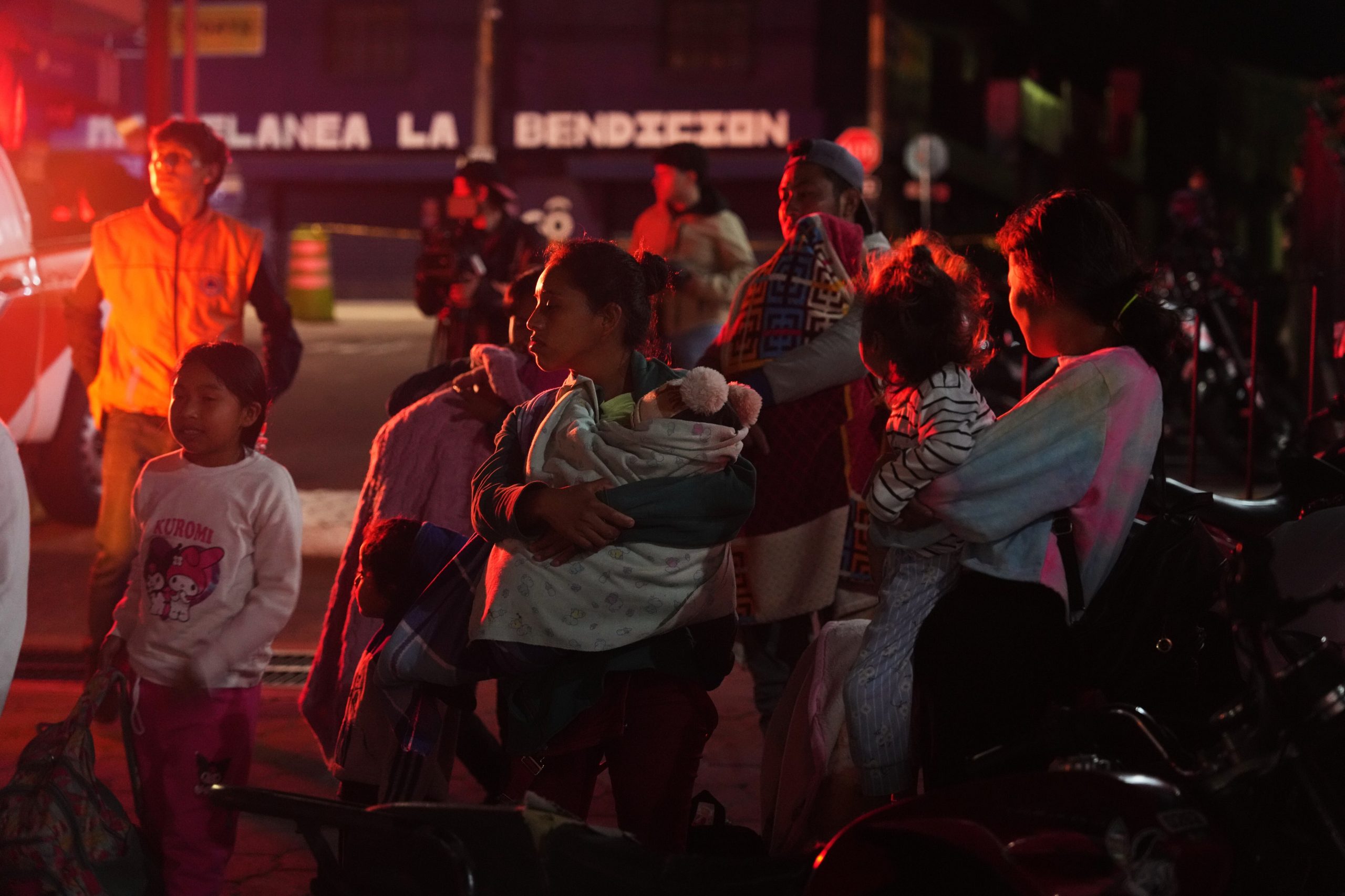
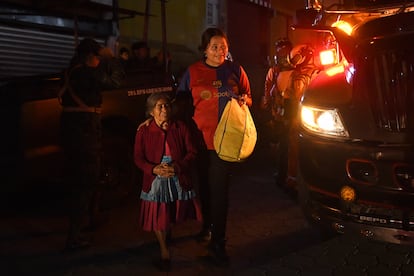
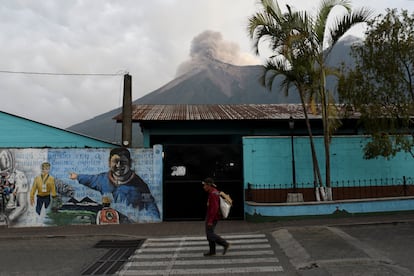
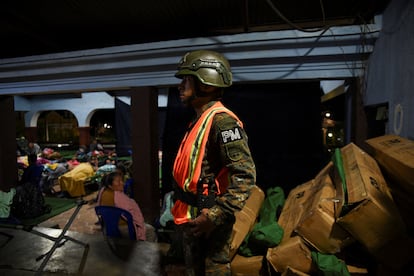
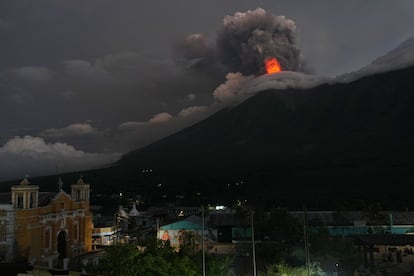
The Fuego Volcano Eruption In Pictures


10 fotos
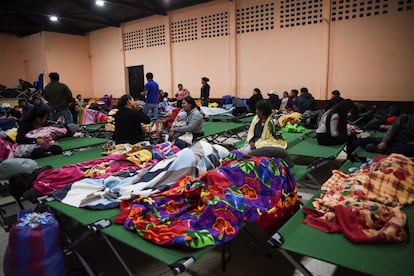
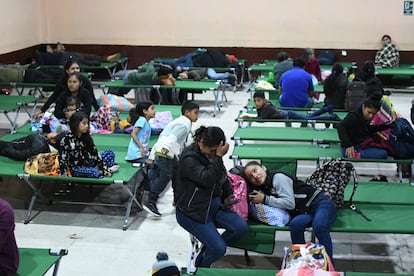
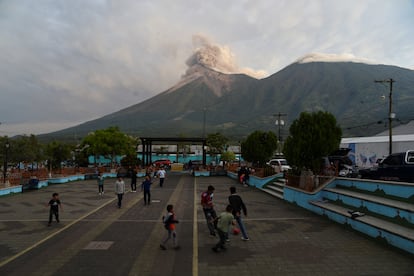
Guatemala declares an orange alert over the eruption of the most active volcano in Central America; hundreds of families from nearby communities were evacuated in the early hours of Tuesday because of intense activity that includes ash, gas, and lava fragments



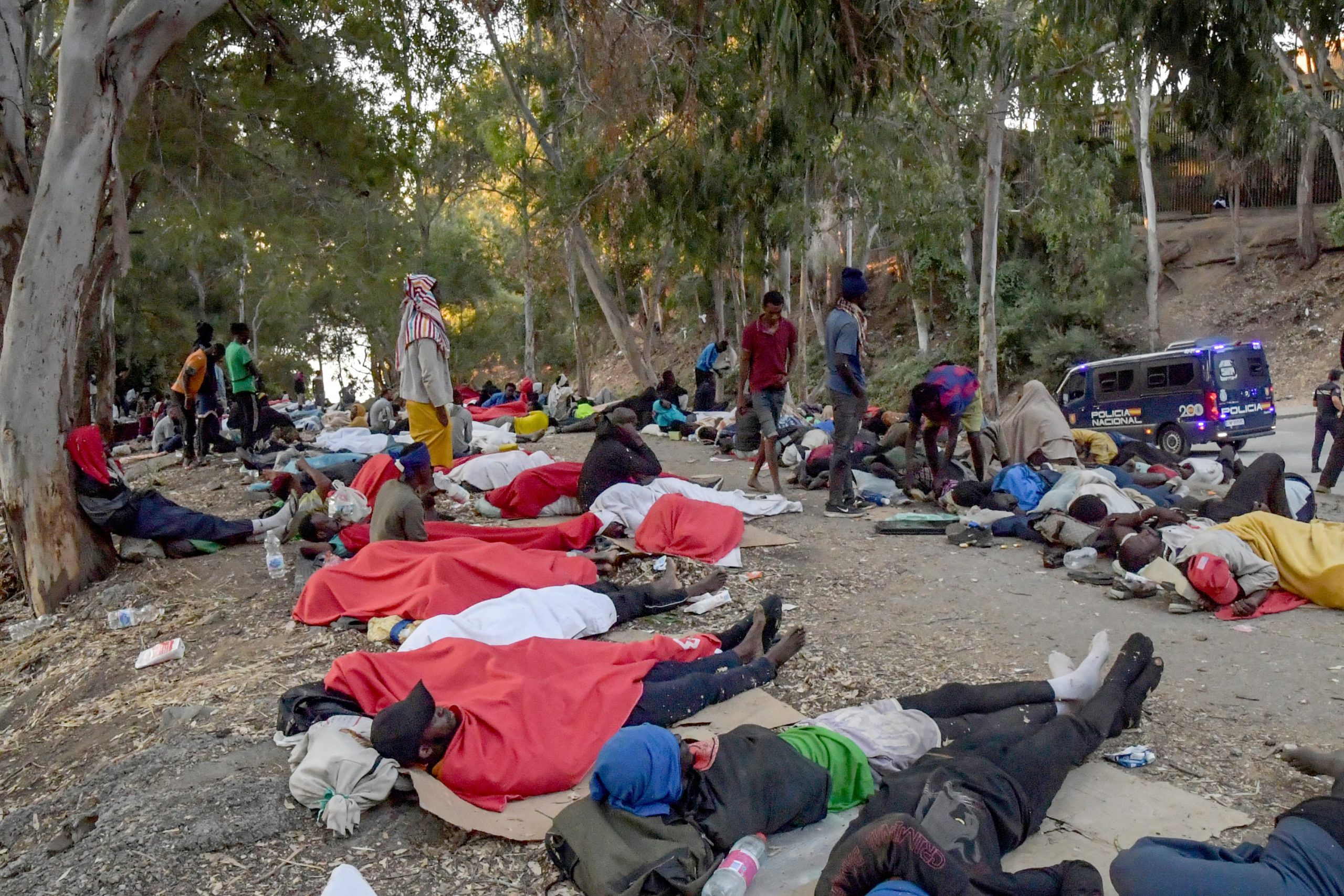
“Most of the kids who are sharing the thing about storming Ceuta on August 15, I swear they won’t get anywhere,” reads a Facebook message in a group for “those interested in migration from Morocco to occupied Ceuta” with nearly 23,000 members, which has grown by more than 6,000 in the past week, according to the platform’s own data. This message is just one example of the hundreds this newspaper has seen, mainly on WhatsApp and Facebook, talking about a possible new mass influx into the Spanish exclave on August 15. Thousands of young Moroccans are debating whether it’s real, whether it’s worth it, whether it’s feasible, or whether it’s all designed to deceive minors. “Is your life really worth so little? Leave the people of Ceuta alone. Enough is enough: the young people who left and those who are missing — their parents are devastated,” the message continues.
The date August 15 is not just a rumor: “Brothers, 8/15/2026,” says a WhatsApp message in a 35-member group called “Migration to Ceuta and Melilla” created last Thursday. This newspaper privately asked the creator of one of these groups if the goal was to try to enter Ceuta on August 15. “Yes, or even more than that,” he replied. When asked if it would be safe, if there would be a lot of people, or if there would be deportations, he simply replied, “God only knows. Come on, join the group and ask.” All of these messages and conversations on social media are in Arabic.

There are lots of mentions of August 15 on social media. The comments are a mix of enthusiasm: “See you there on the 15th. Be there on time,” “I’m heading up from Marrakesh to the north to experience that day.” But there are even more comments expressing suspicion or caution: “Don’t take any risks — the situation is still tense. I probably won’t go; I’ll go at the end of the month, when things have cooled down. Are they really that stupid? The first time caught them off guard, but now they’ve got it all figured out. Be patient, wait, and take advantage of a lapse in security,” says a member of a 123-member group. The rumor has spread to such an extent that in one of the WhatsApp chats, someone posted a message from the far-right Spanish party Se Acabó La Fiesta with screenshots about August 15. In another, a man claiming to be Spanish, named Ángel, wrote: “We’re going to kick you out of Spain.”
EL PAÍS accessed five Facebook groups with nearly 400,000 members and nine WhatsApp groups with several hundred. An investigation by fact-checking organization Maldita found 10 groups with 422,560 members, other smaller ones on WhatsApp, as well as scattered posts on Instagram. The August 15 rumor could also be a way to draw people from other cities to the Ceuta area so they might then be tempted to buy a spot from a trafficking gang on an inflatable or small boat.
One example of the doubts and tone on WhatsApp is this Tuesday conversation among several users: “Hello, brothers. Is there something on the 18th?” “Or the 30th? Or in 2030? Haha,” “they say the 15th,” “for the kids who are in Agadir, write to me. Are you going on the 15th? You won’t find transport. I’m next to the customs gate,” “photos to see,” “send us a video, brother,” “brothers, don’t stay: let everyone do their own thing; whoever wants to go up and do the hrig [illegal migration], let them look after themselves,” “kids, those of you passing through Beni Ensar, the Melilla entrance: explain the plan, how to cross there,” “I entered and the Guardia Civil returned me,” “but everyone is going to cross from Fnideq [Castillejos],” “nobody is going to cross through Melilla, brother. Those who are there are all in Fnideq,” “we, brother, go by the fence,” “how do you cross the fence? Explain it to us.”
“Social media is practically the only source of information these young people have about Spain,” says María Guevara, a researcher at Pablo de Olavide University in Seville. “Moroccan youth are very connected to one another, on a peer-to-peer basis. They keep each other well informed about the different options. They tend to talk only about the positive aspects of the migration process; no one wants to be seen as a crybaby. It’s possible they heard there was an opportunity, but I’ve almost never seen anyone here cross by swimming — only on a small boat,” she explains.
On social networks, alongside messages about the possible day for the attempt, dozens of people post photos of missing relatives or try to understand how to cross. One of the longest recent threads is a complex conversation about which type of inflatable boat is more useful, accompanied by an image more suited to children playing on the beach. “The Strait has a strong current, kayaks capsize. Better look for something serious; the sea is no laughing matter,” one person says. “I don’t advise you to go with that. I tried it: it capsizes quickly, and on top of that it can be punctured, it’s very thin,” another says. The list of risks in the Mediterranean Sea is not short: “Getting rammed by a ship, hitting a fish and having the boat deflate, or being capsized by an orca. And then there’s the swell and the watchtower. The probability is no more than 1%,” warns another.
Conspiracy theories about what happened last week or whether the sea barrier can be overcome by swimming open other lines of debate. “My husband went out to pray and saw someone running, without understanding what was going on. Around nine o’clock, I heard a commotion outside; I peeked out and saw kids running. I already knew people were crossing, but every so often I’d see five or six of them running down the street. Someone asked them what was going on, and one boy said, “Ceuta is open.” And he kept telling it to the next person, until chaos broke out. Cell phones made it all easier,” a woman explains on Facebook.
Sign up for our weekly newsletter to get more English-language news coverage from EL PAÍS USA Edition
ElPais
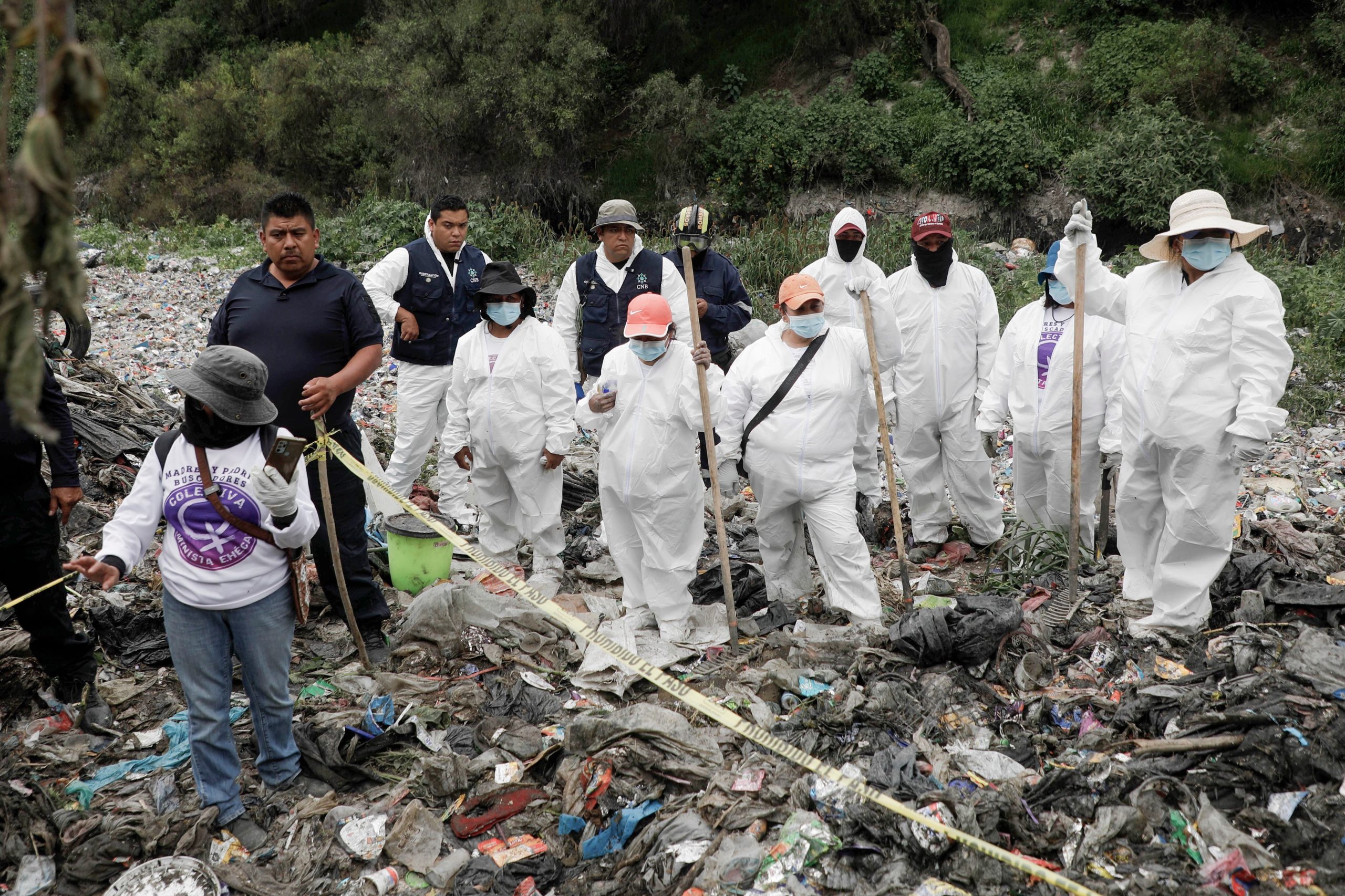
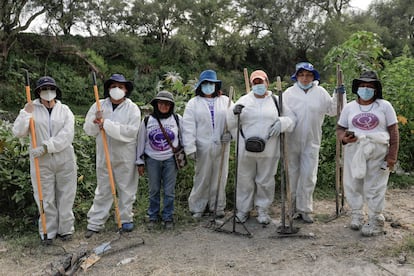
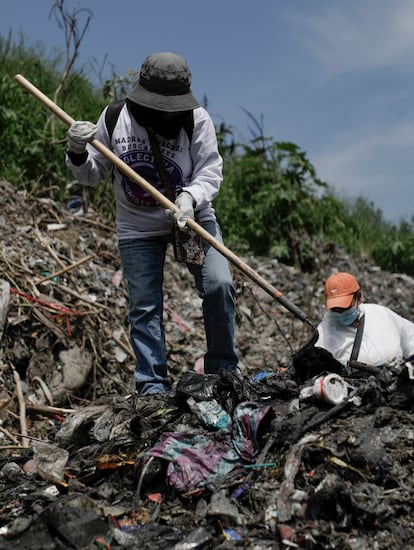
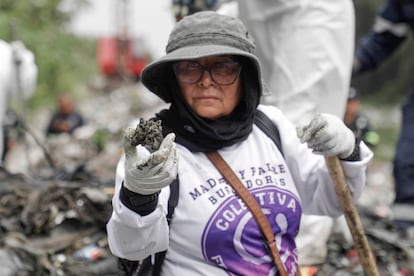
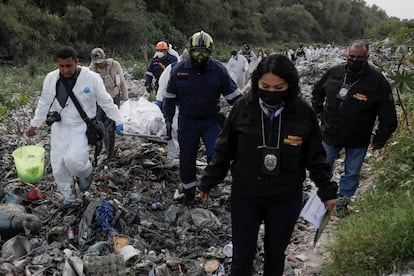
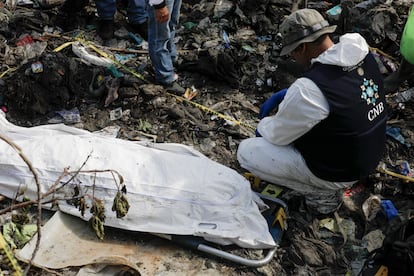
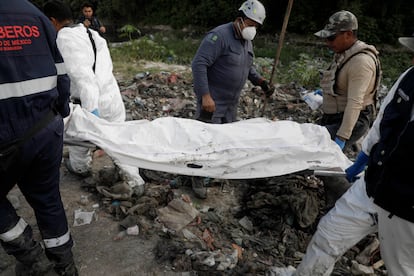
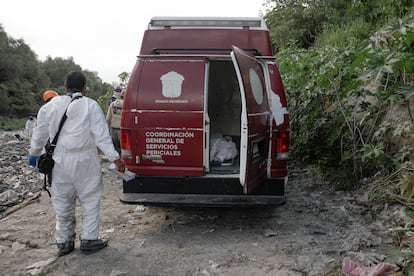
Searching For An 11-Year-Old Girl, They Found Three Bodies: Searching Mothers In Sewage Canals In The State Of Mexico, In Images

8 fotos
Relatives of missing people have deployed search brigades in the Nextlalpan canal to locate Mariana Valentina Domínguez Valdez. So far they have found the bodies of a woman and a man, as well as that of the elderly Arturo Tovar, who disappeared in Teotihuacán


LISTED: Ten Activities For A Hot Summer’s Day In Valencia

Al Menos 17 Muertos En Ataques Rusos Con Misiles Balísticos Y Drones En La Región De Kiev

Dos Menores Hospitalizadas Al Fallar Una Atracción De La Fiesta Mayor De Tona


-

 Latest2 weeks ago
Can Spanish Property Owners Cut Off Utilities To Squatters?
-

 Amazon2 weeks ago
Un Tangle Teezer De Viaje: El Cepillo De Pelo Perfecto Para Tu Neceser De Vacaciones
-

 New Developments2 weeks ago
Luxury Villas For Sale, Estepona – ProjectL1
-

 ChatGPT2 weeks ago
Food-Related Scams Are Flooding Social Media With Hyper-Realistic AI-Generated Videos
-

 Andalucia2 weeks ago
Man Arrested For Assaulting Six-Month Pregnant Partner At Malaga Airport
-
Latest1 week ago
Spanish Wildfires Intrude On Holidaying Foreign Visitors
-
ElPais2 weeks ago
Spain Moves Forward With Law Granting Citizenship To Sahrawis
-

 Barcelona2 weeks ago
Cleaner Air May Be Adding Fuel To Spain’s Scorching Summer Heatwaves, Researchers Claim – But Are They Correct?