
Costco
‘Apocalyptic Fears’: String Of Technology Failures Triggers Rush For Emergency Supplies In The United States

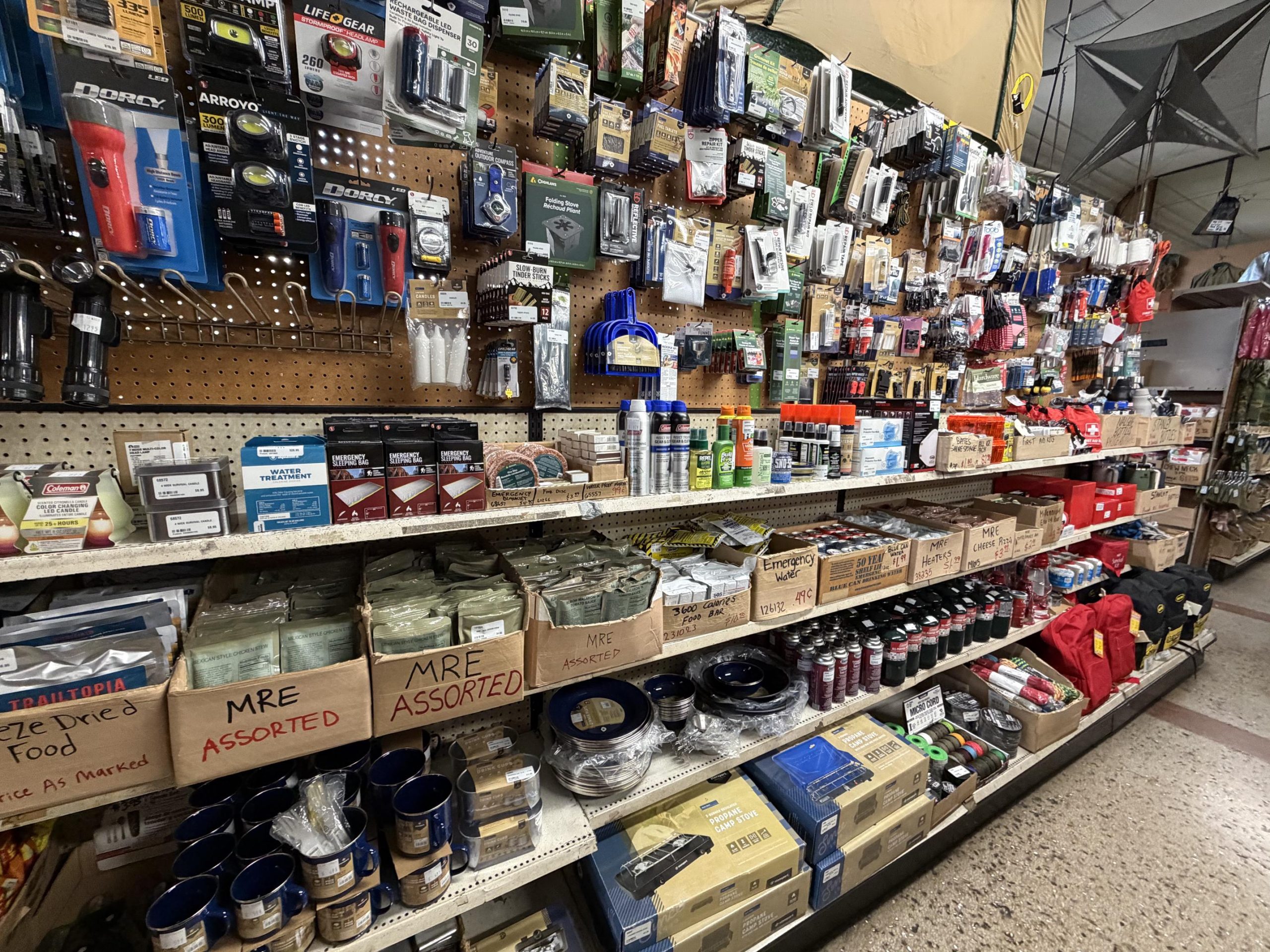
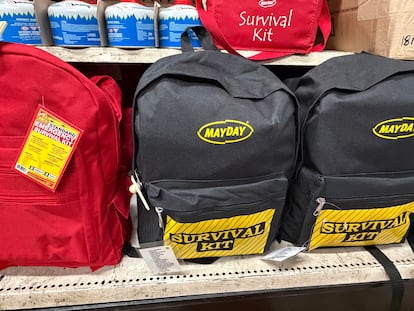
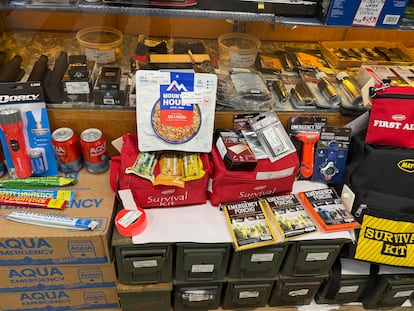
Sales of emergency kits containing food, radios, batteries, water-purification tablets and even drinking water with a 50-year shelf life have risen over the past week at Surplus Store in Venice, a beachfront neighborhood of Los Angeles, California. “There are a lot of people who are worried,” says manager Jaime Naylor.
At the shop, which specializes in camping gear and emergency supplies, Naylor says sales typically surge after natural disasters, when customers start preparing for the possibility of another catastrophic event.
This latest spike, however, has nothing to do with nature. Instead, it is being driven by digital systems. The uncertainty created by a string of technological failures across the United States is prompting more people to stockpile supplies out of fear of a digital collapse. “The planes, the Microsoft thing, different things have people thinking, ‘I don’t know what’s going to happen’ or ‘what’s next,’” Naylor says by phone.
In the United States, people who actively prepare for a possible catastrophe or societal breakdown, whether digital or natural, are known on social media as preppers. Some have spent years sharing advice on how to prepare for a major emergency or blackout that could leave people disconnected from the modern world. They stock canned and frozen food, basic supplies, flashlights, candles and even gas masks.
Among the recommendations promoted by experts such as Beth Sanner, a former CIA analyst and CNN contributor, are keeping cash on hand, memorizing the phone numbers of close relatives and agreeing in advance on a meeting place.
Those warnings, from both preppers and experts, have gained renewed traction in the United States amid the misinformation that surrounded a November 17 test of the Federal Emergency Management Agency’s (FEMA) Alert System. Public concern grew during that period, fuelled by a succession of technical failures that occurred within a short span of time.
First came the outage of Microsoft services, including its email platform, in an incident the company attributed to flaws in a series of updates it had been developing for months. Then, on Friday afternoon, flights across the United States were suspended for more than four hours, disrupting one of the busiest periods of the country’s air-traffic schedule. According to the government, the shutdown was caused by an equipment failure, not a cyberattack.
On Monday, United Airlines suffered a systems outage that delayed departures because of problems with its web-based systems, affecting crew communication tools. On the same day, customers at some of the largest U.S. banks reported temporary difficulties accessing their accounts. Finally, a highly classified communications network used by the National Security Agency (NSA) for internal communications also went down temporarily.
‘Panic buying’ at Costco and Walmart
Amid the string of technological problems, the surge in demand that Naylor has observed at Surplus Store has also been reflected at two of the largest retailers in the United States: Costco and Walmart.
“Consumer anxiety after Microsoft Outlook’s outage, the grounding of all flights in the United States and apocalyptic fears spreading on social media have contributed to an increase in sales of emergency-preparedness items at Costco,” said analyst David Bellinger of brokerage Mizuho in a report shared with EL PAÍS. By Sunday night, he added, 21 of the 26 highest-priced generators sold online by Costco had already sold out.
According to another report by Bellinger, both Costco and Walmart had been experiencing what retailers describe as “panic buying” since late October. The analyst partly attributes the trend to reports about government calls for citizens to prepare for potential emergencies.
The British government, for example, urged residents to stockpile enough water and food for at least three days and to keep extra batteries for cellphones as well as a traditional battery-powered radio on hand in case of a severe weather event or technological sabotage.
“We believe this has unleashed pandemic-style buying behavior, including the purchase of food and essential household supplies. That perception has reached the United States, as we saw in our review of Costco […], where traffic looked considerably stronger and items such as solar generators sold out,” Bellinger wrote in the report dated November 2.
Concerns intensified further with the succession of system failures in the United States, which in some ways seemed to confirm the worst fears of the prepper community.
The Trump administration, however, has said there is “zero evidence” that those incidents were related. “We have no indication, no evidence, and no reason to believe at all that any of these incidents are related to each other,” said Secretary of State Marco Rubio. “We have zero evidence or any reason to believe that any of these isolated or individual instances have anything to do with nefarious actors.”
Chris Krebs, a former director of the Cybersecurity and Infrastructure Security Agency (CISA), said in an interview with CBS that the outages appear to be the result of large-scale technology upgrades being carried out simultaneously across the United States with the help of artificial intelligence.
“It sure does look like all these events are connected, but all the available evidence suggests that they’re not,” he said. “The more we connect things, the more technology we use in day-to-day life, the more opportunity there is for disruption, particularly in this age of artificial intelligence. I’m not [saying] that AI is out there hacking everything. I’m saying that we’re using AI to improve the software, to improve the technology we’re using, and sometimes that means you have to patch things. And the scale we’re doing that right out, it can destabilize some processes, and I think that’s at least some of what we’ve seen in the last couple of days.”
Sign up for our weekly newsletter to get more English-language news coverage from EL PAÍS USA Edition












🌅 Stunning Penthouse With Panoramic Sea & Mountain Views Benalmádena

Inside The Most LUXURIOUS Apartment Building In Spain!

New Figures Confirm Spanish Property Market Slowdown


-

 New Developments3 weeks ago
Luxury Villas For Sale, Estepona – ProjectL1
-

 New Developments2 weeks ago
The San Roque Club – Townhouses For Sale
-
Age Concern Marbella - San Pedro3 weeks ago
Halloween lunch sells out as 51 join Marbella get-together
-

 New Developments3 weeks ago
How To Get A Tourist Rental Licence In Andalusia (Spain) – Step-By-Step Guide 2025
-
 %3 weeks ago
Spain Orders Replacement Of Eight Million Gas Meters: New Rules, Costs And Deadlines
-
Barcelona riots4 weeks ago
Looting and street violence hit Barcelona as El Corte Inglés customers are trapped
-
Costa del Sol3 weeks ago
Where are they? Expat questions local police presence
-
countryside3 weeks ago
Rural revival: Five Almeria villages make moving inland easier and more enticing