
Air Taxi
Avoiding pirate taxis in Spain in 2026: What all the different coloured number plates mean

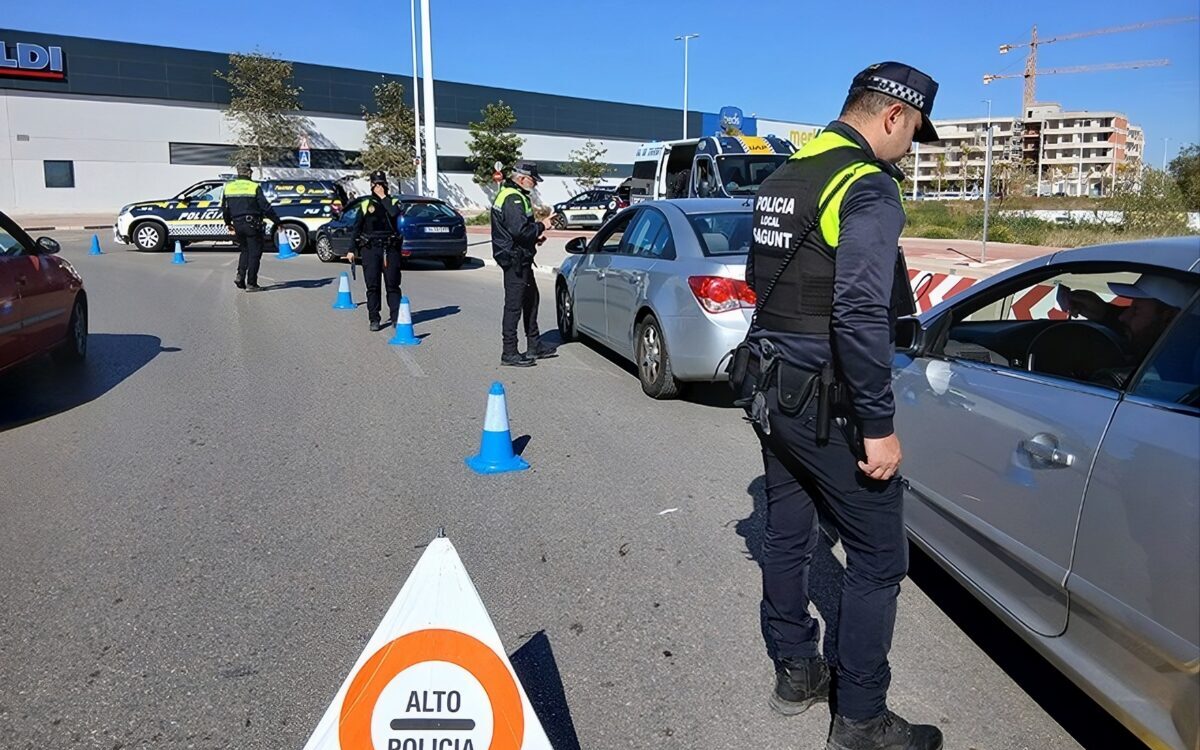
Road users in Spain rely on number plates to confirm licensed taxis and VTC services (Uber-style rides). As we begin to enter the holiday period, law enforcement in Spain is cracking down on illegal taxi services and is reminding everyone why checking colours matters for safer travel.
Dave, the friend of the guy down the road, might come with excellent recommendations for an airport run and give the most amazingly reliable service ready to pick you up at your apartment door at 4am to pick you up. But, if you’re really not sure, always use a fully licensed service. But how do you tell?
Spanish authorities introduced mandatory blue rear plates for taxis and vehicles “de transporte con conductor (VTC – Uber or similar)” from August 2018. This change helps passengers and police spot authorised operators quickly, and to avoid the dodgy ones. Vehicles registered after that date must display white characters on a blue background on their number plate. Failure to comply with this rule brings an immediate €200 fine to the driver, or more.
Passengers often identify taxis by roof lights and markings or VTC by company logos. Official confirmation comes only from the number plate colour. Blue plates with white lettering confirm the driver holds proper licences. Without them, travellers risk unlicensed pirate services that operate illegally and lack insurance cover for passengers.
Requirements for becoming a taxi driver in Spain
Aspiring taxi drivers need a category B licence for cars with at least five seats. Many cities demand at least two years of driving experience, depending on the stipulations of the local council. Operators register as self-employed with a registered social security number and often join local cooperatives. Medical and psychological checks ensure fitness for passenger transport. Interestingly, and very importantly, candidates must also prove no criminal record for sexual offences or crimes involving minors.
Understanding coloured number plates across Spain in 2026
Spain uses various plate colours to indicate vehicle purpose and status. Knowledge of these prevents confusion and supports informed choices when hiring transport.
Standard private cars that everyone drives show black letters and numbers on white backgrounds, with the EU blue strip and “E” on the left for “España”. These apply to everyday vehicles without any special permissions for charging passengers for rides.
Blue plates identify licensed taxis and VTC up to nine seats. White characters appear on the blue background, most importantly at the back of the car; front plates can possibly remain standard white with black letters and numbers. This system combats illegal operators and aids quick police identification.
Green plates serve as temporary import or provisional needs, often for recently imported cars awaiting full registration. Validity lasts a short period, usually two months. So a green number plate is pretty rare in Spain, and often on a pretty special car.
Red plates appear on dealer or trader vehicles for test drives and stock movement. Businesses use them under strict controls with journey logs. Red also marks large trailers with black lettering, prefixed with “R” for remolque (trailer).
Yellow plates can denote some mopeds, scooters under 49cc, and light quadricycles. These smaller vehicles follow distinct rules for urban and rural use.
White letters on red backgrounds signal diplomatic vehicles with “CD” for the diplomatic corps. Consular vehicles may use green with “CC”. International organisations display blue plates with “OI”. Agricultural and special machinery, such as tractors, use red lettering on white, prefixed with “E”.
Pink plates have begun to gain a lot of interest in 2026 due to cross-border influences, mainly for certain temporary registrations driving over from France with visible expiry dates. These call attention to the police for more roadside checks by the authorities than usual.
Staying safe with transport choices
Everyone should check number plates of vehicles they do not know before entering. Blue confirms legitimacy and full licensing for a taxi service. There are plenty who offer reliable, trustworthy services as a little job on the side, especially from out-of-town “urbanisations”, but avoid ones you don’t already know very well. Pirate drivers lack this marking, hang around for fares at airports, and expose passengers to risks including insufficient insurance cover and unregulated fares. Local police and Guardia Civil use plate colours for quick enforcement against fraud and will be out in force this summer holiday season, especially at airports.








E

E
Has foreign demand for Spanish property peaked? Latest figures suggest so

Dinero En Efectivo Guardado En Casa Y La Devolución De Los Gastos Del PSOE: La Expareja De Koldo Protagoniza La Cuarta Jornada Por El ‘caso Mascarillas’

Última Hora De La Guerra De Estados Unidos E Israel Contra Irán, En Directo | EE UU Asegura Que Dos De Sus Buques Militares Han Cruzado Ormuz Para Desminar El Estrecho E Irán Lo Niega

Mercedes F1 star Kimi Antonelli feeling the pressure after Italian heartbreak


-
 Caso Koldo4 weeks ago
Dinero En Efectivo Guardado En Casa Y La Devolución De Los Gastos Del PSOE: La Expareja De Koldo Protagoniza La Cuarta Jornada Por El ‘caso Mascarillas’
-
 Ataque contra Irán4 weeks ago
Última Hora De La Guerra De Estados Unidos E Israel Contra Irán, En Directo | EE UU Asegura Que Dos De Sus Buques Militares Han Cruzado Ormuz Para Desminar El Estrecho E Irán Lo Niega
-
 Uncategorized4 weeks ago
Mercedes F1 star Kimi Antonelli feeling the pressure after Italian heartbreak
-
DGT4 weeks ago
DGT launches week-long speed crackdown on Spanish roads
-

 New Developments3 weeks ago
How To Get A Tourist Rental Licence In Andalusia (Spain) – Step-By-Step Guide 2025
-

 Andalucia4 weeks ago
La Policía Detiene A Un Hombre En Córdoba Por El Asesinato De Su Pareja
-

 %4 weeks ago
Young Engineers Hold STEM Day Workshop
-
Barcelona4 weeks ago
Man, 30, dies after rockfall while climbing in Spain’s picturesque Montserrat mountain range