
Benidorm
Benidorm hotel safety: Should families get lower-floor rooms?

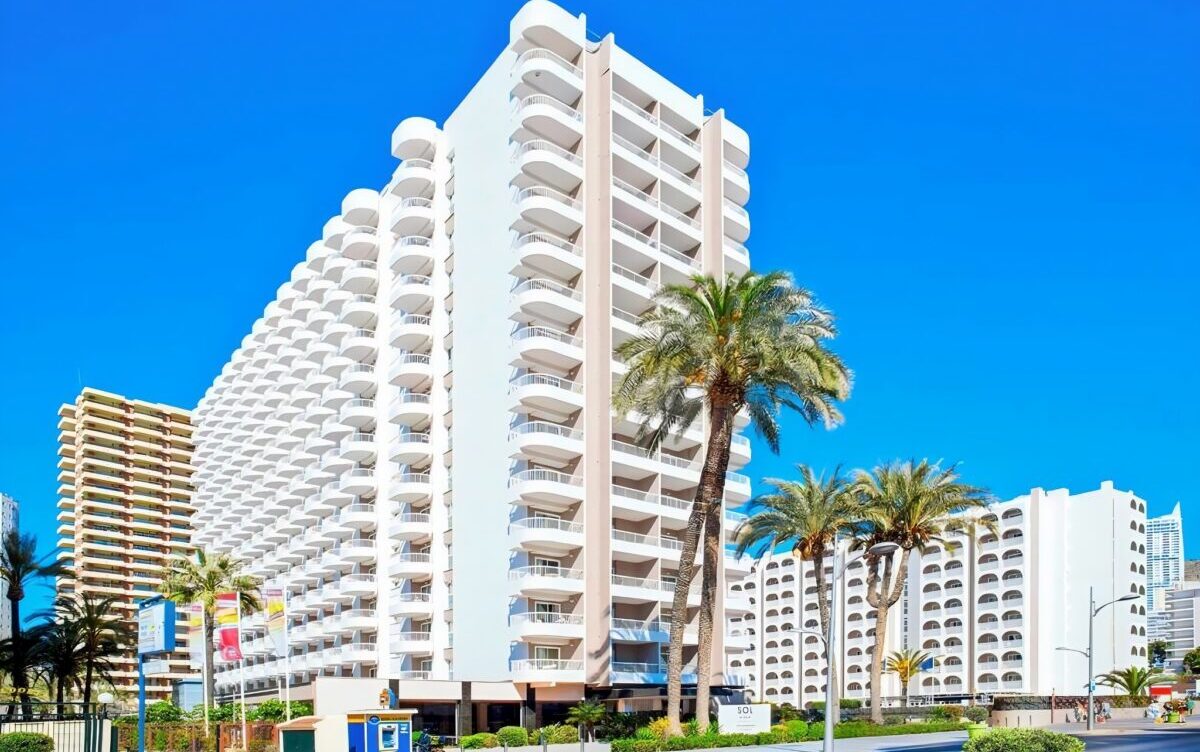
A British teenager’s devastating fall has raised questions about high-rise hotel accommodation, balcony safety and whether families should be offered rooms closer to ground level.
A serious accident involving a 17-year-old British holidaymaker in Benidorm has raised questions about whether hotels should routinely offer families the option of staying on lower floors.
Jamie suffered life-threatening injuries after falling from a sixth-floor hotel balcony at the Sol Pelicanos Ocas on Tuesday night, November 10. He had been on holiday with his mother, Gemma, and her friends when the incident happened.
The teenager was initially taken to hospital in Benidorm before being transferred urgently to Alicante, where surgeons carried out emergency surgery. His injuries included extensive fractures, a punctured lung, a ruptured artery, a broken pelvis, both legs and one arm.
Jamie’s family has since launched a £20,000 fundraising appeal to help bring him home to Britain when doctors consider him fit to travel.
Should families be offered lower hotel floors?
Benidorm is famous for its towering hotels and apartment blocks, with thousands of visitors spending their holidays in accommodation many floors above street level. Its skyline has previously attracted attention through buildings such as the InTempo residential tower, which stands 192 metres tall, or the TM Tower, under construction, which is set to reach 230.5m.
However, the latest accident raises a practical question for parents booking family holidays: should hotels routinely offer families with children and teenagers the choice of a lower-floor room?
Some families may actively prefer accommodation closer to reception, the swimming pool and other hotel facilities, rather than having to use lifts every time they leave their room.
Lower-floor accommodation could also provide parents with greater peace of mind, particularly when travelling with younger children. It would not remove every risk, but it could reduce the height involved in a potential fall. There is also the question of whether families should have to pay extra to make such a request.
Benidorm continues to build upwards
The discussion comes as the resort attracts attention for another ambitious high-rise development. TM Tower, a residential project planned for Benidorm, made headlines on November 12 after lift manufacturer Schindler announced it would supply seven high-speed lifts for the building.
Standing 230.5 metres tall, the planned 64-storey tower will contain 260 homes and is expected to become Europe’s tallest residential building. Completion is scheduled for the second half of 2028. The development has already featured in EWN’s report on Benidorm preparing to add Spain’s tallest residential tower.
Although TM Tower is not a hotel, the project reflects Benidorm’s continuing development of high-rise buildings and its distinctive skyline.
What do hotels and tour operators recommend?
British tour operators once already provided guidance about balcony safety. Jet2 Holidays’ accommodation safety advice tells customers never to leave children alone on balconies, climb on furniture or lean over railings. Its guidance also warns against attempting to move between neighbouring balconies.
Previous EWN reporting has also examined a British woman’s serious fall from a sixth-floor Benidorm hotel balcony. However, it is not clear whether Benidorm’s hotel association HOSBEC has any specific recommendation to hotels about allocating lower-floor rooms to families travelling with children. Nor has any resort-wide agreement requiring or encouraging hotels to do so been publicly established. Perhaps, in the light of Jaime’s horrific fall, it’s time the law changed on this precise subject.
Parents can ask their tour operator or hotel for a lower-floor room when booking, although availability cannot always be guaranteed.
Should hotels do more?
The question is whether room allocation should be left entirely to individual hotels or whether the industry should consider a more consistent approach to family accommodation.
Following Jamie’s accident, Benidorm’s hotel sector has an opportunity to explain what precautions are already available and whether families should be routinely offered the choice of staying closer to ground level.



balcony fall
Benidorm hotel fall: Family launches £20,000 appeal for critically injured British teenager
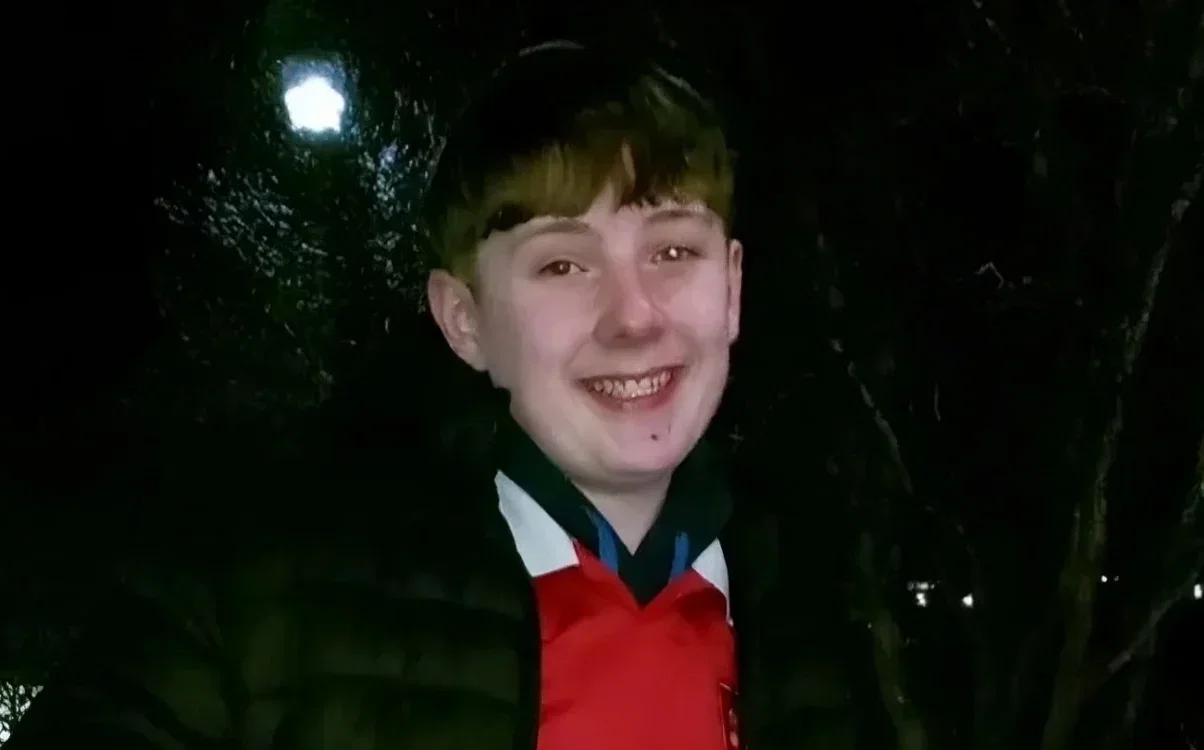
A British family is asking for donations to help bring their 17-year-old son home after he suffered life-threatening injuries in a sixth-floor hotel balcony fall in Benidorm.
Teenager faces uncertain recovery
Jamie was on holiday with his mum, Gemma, and her friends when the incident happened at the Sol Pelicanos Ocas hotel on Tuesday night, November 10. He was initially taken to hospital in Benidorm before being urgently transferred to Alicante, where surgeons carried out emergency, life-saving surgery.
According to his aunt, Lauren Baker, Jamie suffered extensive fractures across both sides of his chest, a punctured lung and a ruptured artery. He also broke his pelvis, both legs and one arm.
Surgeons managed to control the ruptured artery and stabilise him, but the teenager is still in intensive care, heavily sedated. Doctors have warned the family that there is a risk of paralysis while they continue assessing the extent of his injuries.
Parents face mounting costs in Spain
Jamie’s aunt has launched a £20,000 GoFundMe appeal to bring him home, with donations intended to help his parents stay close to him and meet the costs of his eventual return to Britain.
His father, Kev, was working in Dover when he received the news and immediately travelled to Spain. With no accommodation arranged and no bank card with him, he even spent a night sleeping in the hospital waiting room so he could stay near his son.
Gemma is meanwhile trying to negotiate the insurance arrangements while coping with the shock of her son’s injuries. The family is receiving assistance from Lia’s Wings, a UK charity specialising in medical transfers for critically ill babies and children.
Depending on Jamie’s condition when doctors consider him fit to travel, his journey home could involve a dedicated medical flight or a medically supported commercial service.
The family has also highlighted the financial difficulties that can follow a serious medical emergency abroad, something experienced by other holidaymakers, including an Irish tourist facing a costly journey home after a Spanish motorbike accident.
Donations could make a difference
Lauren describes her nephew as a loud, funny, football-mad teenager and a devoted Manchester United supporter who is fiercely loyal to his family. She says the fundraising target will help cover expenses not met by insurance or charitable assistance, including accommodation, travel and the eventual journey home.
Any money left after Jamie’s needs and the family’s emergency expenses have been met is intended to go to Lia’s Wings to help another family facing a similar crisis.
Anyone wishing to help can donate through the Bring Our Jamie Home GoFundMe appeal. Those unable to contribute financially are also being encouraged to share the appeal.


 A vulnerable Goeldi’s monkey has been born at Terra Natura Benidorm, marking the third birth at the park since 2024.


Struggling With Spain’s Food Prices? This Supermarket Chain Was Built To Help Families Save

Spain Hit By Yet Another Train Derailment As Madrid Railway Line Is Shut
Back in the running? Mijas considers four proposals for abandoned horse-racing complex


-

 New Developments2 weeks ago
Luxury Villas For Sale, Estepona – ProjectL1
-
Age Concern Marbella - San Pedro3 weeks ago
Halloween lunch sells out as 51 join Marbella get-together
-

 New Developments3 weeks ago
How To Get A Tourist Rental Licence In Andalusia (Spain) – Step-By-Step Guide 2025
-
Barcelona riots3 weeks ago
Looting and street violence hit Barcelona as El Corte Inglés customers are trapped
-

 %3 weeks ago
Spain Orders Replacement Of Eight Million Gas Meters: New Rules, Costs And Deadlines
-
Costa del Sol3 weeks ago
Where are they? Expat questions local police presence
-

 New Developments3 weeks ago
Inside The Most LUXURIOUS Apartment Building In Spain!
-
Gibraltar3 weeks ago
Proud to be British: HMS Queen Elizabeth opens its doors in Gibraltar