Connect with us

America

James Talarico Pone Fin A Décadas De Hegemonía Republicana En Texas Con Su Victoria En El Senado

Published

on

james-talarico-pone-fin-a-decadas-de-hegemonia-republicana-en-texas-con-su-victoria-en-el-senado

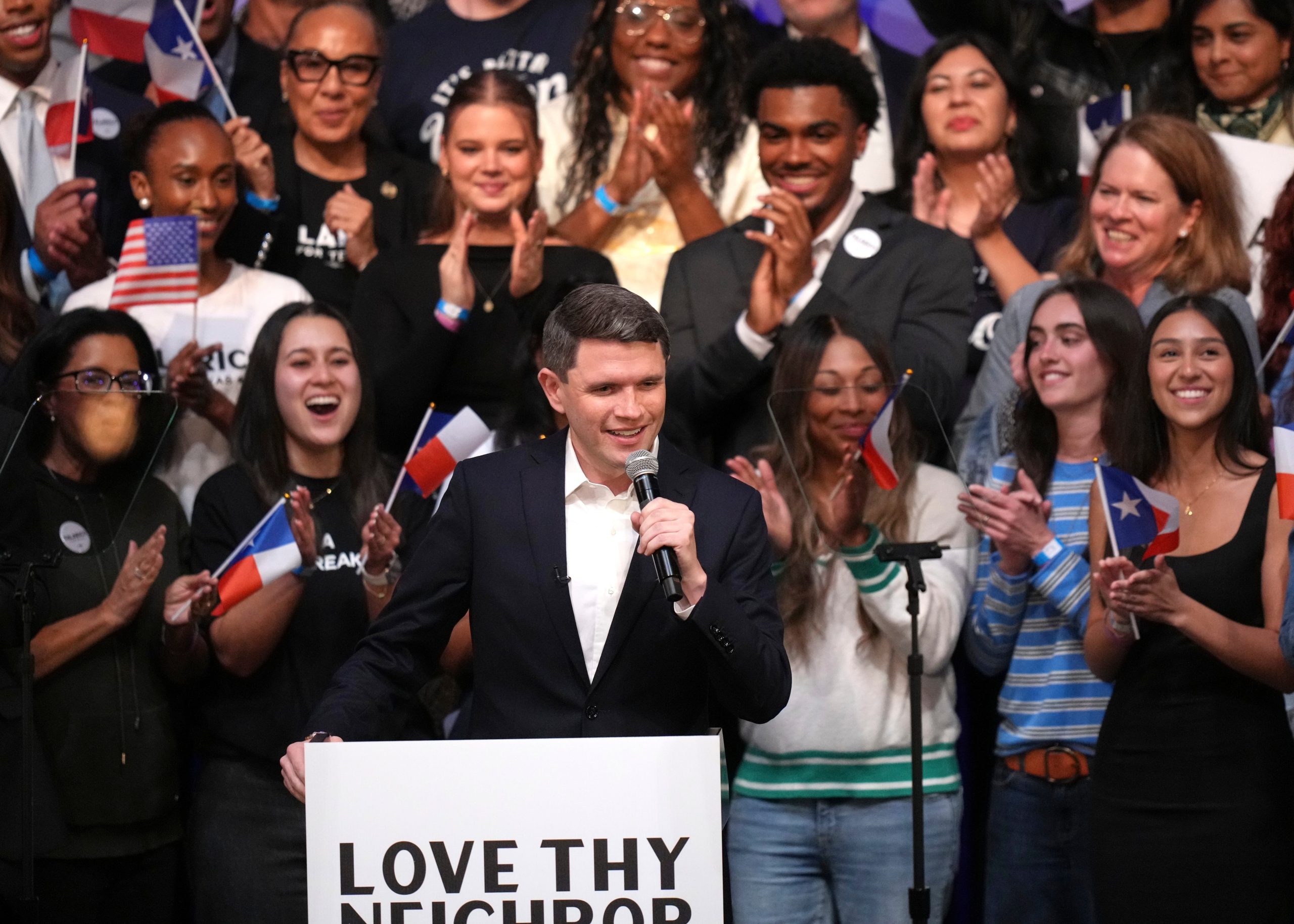
El candidato demócrata James Talarico ha ganado este martes un escaño en el Senado por Texas frente al republicano Ken Paxton. Logra así la primera victoria a nivel estatal para su partido en más de tres décadas. Las proyecciones de la agencia AP, con 66,1% escrutado, colocan al demócrata como ganador con el 59,4% de votos frente a su rival, que contaba con el apoyo del presidente Donald Trump y la financiación millonaria de Elon Musk.

Seguir leyendo

America

Las ‘midterms’ 2026, En Vivo | Los Votantes Acuden A Las Urnas En Unas Elecciones En Las Que Estados Unidos Decide El Control Del Congreso

Published

on

By

las-‘midterms’-2026,-en-vivo-|-los-votantes-acuden-a-las-urnas-en-unas-elecciones-en-las-que-estados-unidos-decide-el-control-del-congreso
Luis Doncel

Luis DoncelCorresponsal en Nueva York

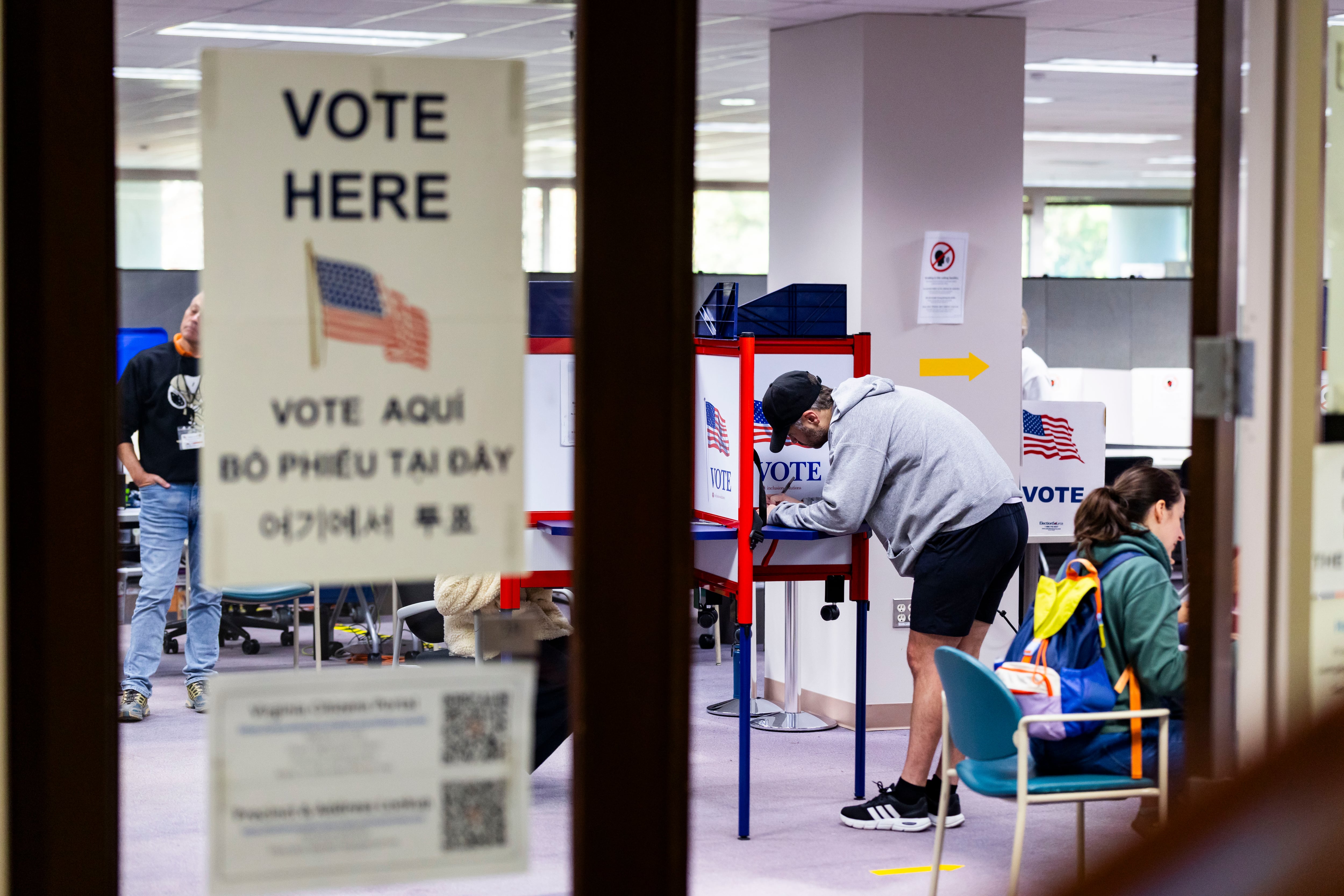
Amanda York acude a un puesto de votación en Michigan, este martes.

Amanda York acude a un puesto de votación en Michigan, este martes.

“Hoy la democracia tiene una segunda oportunidad”, nos dice una estudiante de Medicina en Detroit, Míchigan

Amanda York camina optimista a votar a la Wayne State University Law School de Detroit. Esta estudiante de Medicina de 23 años se llevó un gran disgusto hace dos años, cuando Kamala Harris perdió ante Donald Trump.

“Como futura ginecóloga, doy mucha importancia a los derechos reproductivos de las mujeres. Y creo que los demócratas son quienes mejor los defienden”, asegura.

Además, está muy orgullosa de poder enviar a un médico como Abdul El-Sayed al Senado. 

“Hoy la democracia tiene una segunda oportunidad. Creo que los demócratas van a ganar. Cuando perdió Kamala, estaba devastada. No podía parar de llorar. Pero hoy creo que las cosas van a ser distintas”, dice antes de depositar su voto.

El País

El País

Barack Obama hace un último esfuerzo por alentar el voto para Abdul El-Sayed en Míchigan

En un intento de último minuto por apuntalar las probabilidades del candidato demócrata al Senado en Míchigan, Abdul El-Sayed, en este Estado ha salido una llamada automática en la que el expresidente Barack Obama pide votar por el progresista que busca convertirse en el primer senador musulmán.

“Abdul es médico y ha tomado interés especial en luchar porque haya buenos trabajos, mejores seguros de salud y costos más bajos”, se escucha en parte del mensaje, según reporta la CNN.

La contienda senatorial en Míchigan se agrió el fin de semana cuando la exrival de El-Sayed por la candidatura demócrata al Senado por ese Estado, la representante Haley Stevens, apoyó y apareció públicamente con el republicano Mike Rogers.

Abel Fernández

Abel Fernández

Trump defiende sus políticas mientras los estadounidenses votan en unas elecciones que suponen un referéndum a su gestión

Mientras los estadounidenses acuden a las urnas este martes, el presidente Donald Trump dijo en una entrevista con Fox & Friends que el país ha recuperado el respeto internacional bajo su Gobierno.

En un mensaje a los votantes, el mandatario afirmó: “Tenemos que mantener la grandeza de Estados Unidos”, en alusión a su tema de campaña de “Make America Great Again”.  

“Hace dos años estábamos fatal. Éramos el hazmerreír del mundo. Los líderes de otros países ni siquiera nos tomaban en serio. Pensaban que éramos unos tontos. Y ahora estamos en nuestro mejor momento. Todo el mundo nos respeta de nuevo”, dijo el mandatario.

Sobre el precio del petróleo, que ha escalado y arrastrado al alza los costos de los combustibles, el presidente puso paños fríos al decir que el barril ha caído y que EE UU tiene “el control total” del estrecho de Ormuz.

Sus palabras se dan tras un inusual discurso en la víspera frente a la piscina reflectante del Lincoln Memorial en Washington D.C., en el que dedicó pocos minutos a alentar el voto republicano en estas midterms.

Patricia Caro
Patricia Caro

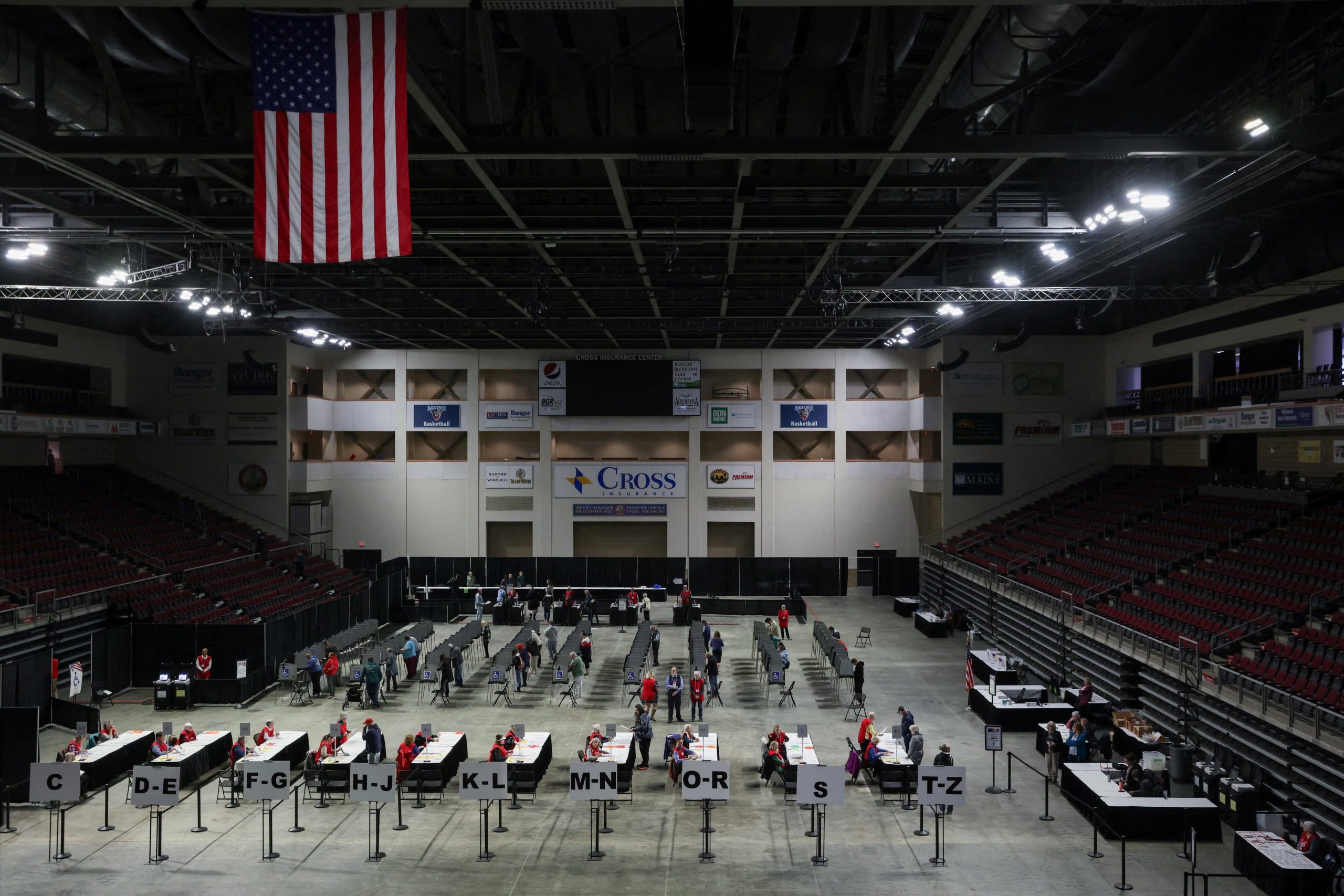
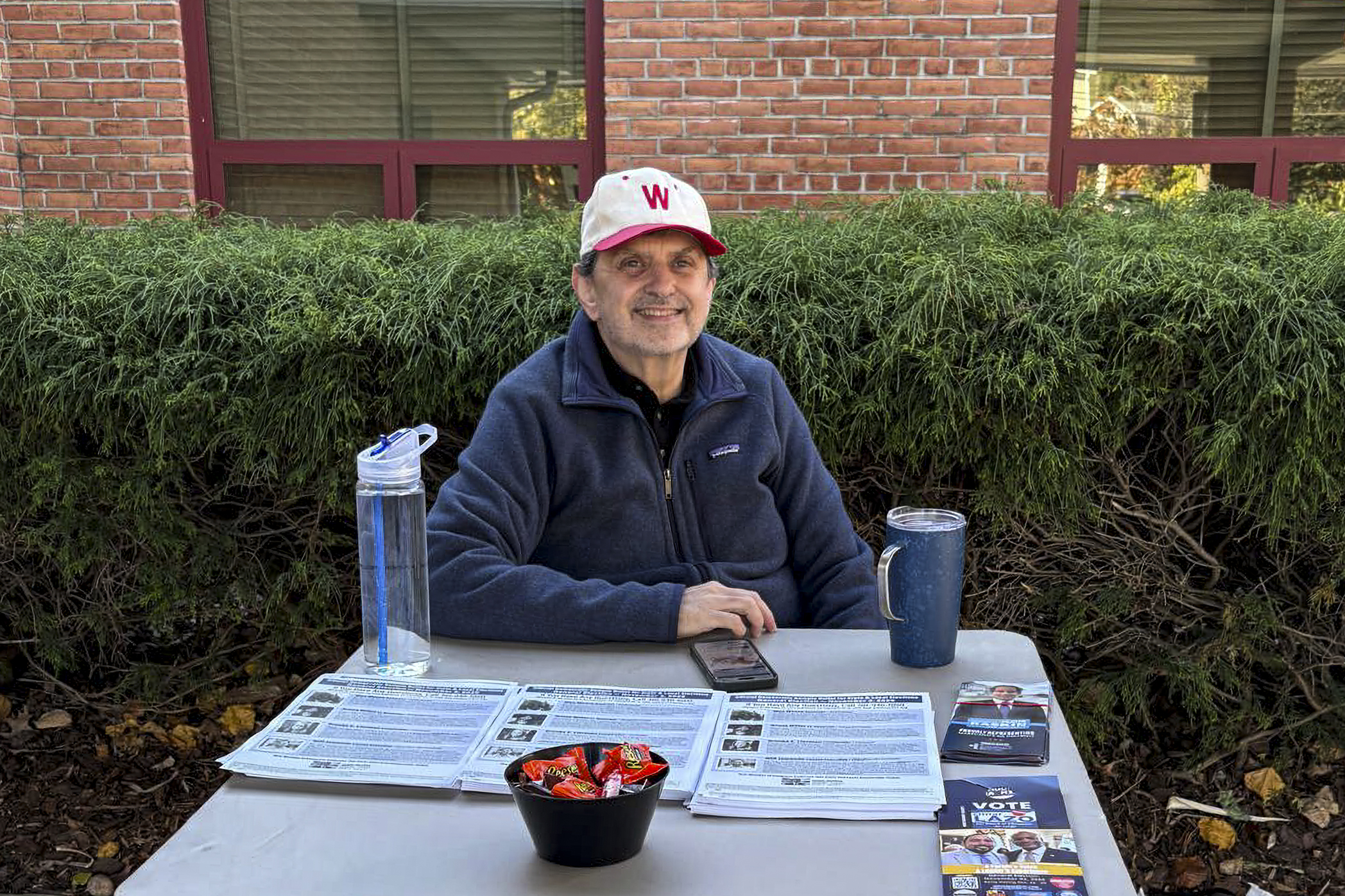
Víctor Weinsberg en el centro de votación de Maine, este martes.

Víctor Weinsberg en el centro de votación de Maine, este martes.

Tres hojas de preguntas y poca información: Voluntarios ayudan en la larga lista de cuestiones sobre las que los votantes no tienen noción qué responder

Víctor Weinsberg está sentado a las puertas del colegio electoral de la escuela elemental de Chevy Chase, en Maryland, desde que se abrieron las urnas. En una mesa tiene desplegada información para los votantes y dulces que le sobraron del Halloween del fin de semana anterior.

Weinsberg hace campaña por el Partido Demócrata en un área en la que el partido azul predomina. No es muy probable que haya sorpresas en el resultado, pero su labor está más orientada a ayudar a los electores en las preguntas para las que no saben qué responder.

Las papeletas de votación son tres hojas por las dos caras con cuestiones que deciden desde el gobernador, hasta los jueces del tribunal de apelaciones o el consejo de educación.

“Muchas personas no están muy familiarizadas con la forma de votar en algunas de las propuestas que aparecen en la boleta electoral”, explica. 

Weinsberg subraya la importancia de las midterms porque “son siempre una oportunidad para que la gente exprese lo que siente respecto al partido que está en el poder”. Esta vez, agrega, “la votación es especialmente crítica por toda la locura que está ocurriendo. Sobre todo teniendo en cuenta una guerra que fue innecesaria y que, además, ha provocado inflación. Necesitamos hacer algunos cambios y, francamente, ayudar a la gente”, apunta.

Una pareja de avanzada edad se acerca a la mesa y recoge una de las papeletas de la mesa de Weinsberg. Necesita asesoramiento sobre las cuestiones a las que no sabe qué va a responder. Tienen claro que apoyarán al demócrata Wes Moore para que continúe como gobernador de Maryland, pero no conocen a los candidatos para la junta escolar. Con la chuleta en la mano de a quién deben apoyar, entran en el colegio.

El País

El País

Claudia Sheinbaum sobre Xavier Becerra en California: “Está muy bien que una parte de ese país [los inmigrantes mexicanos] tenga su representación”

La presidenta mexicana, Claudia Sheinbaum, ha aplaudido este martes desde el atril del Palacio Nacional a Xavier Becerra, candidato demócrata al Gobierno de California. La mandataria ha decidido no mojarse sobre los comicios de mitad de mandato en Estados Unidos: “No opinamos; hoy es la elección. No nos corresponde opinar el día de hoy”. Sin embargo, sí que ha celebrado la posibilidad de que Becerra, hijo de un migrante mexicano, se convierta en gobernador. “Está muy bien, que lo que es una parte de ese país, tenga también su representación”, aseguró en su conferencia matutina.

Abel Fernández

Abel Fernández

Las inundaciones obligan a cambiar centros de votación en Florida

Fuertes inundaciones en el este y centro de Florida obligaron a las autoridades electorales a cambiar de sitio algunos centros de votación, y el gobernador, Ron DeSantis, declaró estado de emergencia en siete condados. 

La División de Elecciones publicó una lista con los cambios y advirtió que podría haber más. En el listado se encuentran los condados Brevard, Highlands, Indian River, Martin, Okeechobee, Palm Beach y St. Lucie.

En Brevard, el supervisor de elecciones, Tim Bobani, dijo que “circunstancias excepcionales” obligaron a ocho distritos electorales a utilizar centros de votación diferentes para proteger a los votantes y trabajadores.

En Palm Beach, las autoridades cambiaron de lugar dos centros de votación y avisaron a los electores afectados por correo electrónico y mensajes de texto, según las autoridades. También dijeron que colocarán carteles en los sitios donde estaban previstos los centros de votación para indicar a la gente a dónde debe ir.

El País

El País

El Departamento de Justicia avanza su investigación criminal sobre la contienda al Senado en Alaska: envía cartas a cerca de 20 demócratas

El Departamento de Justicia (DOJ por su sigla en inglés) avanza su investigación criminal sobre la ajustada contienda al Senado en Alaska. The New York Times reporta este martes electoral que el DOJ envió cartas a cerca de 20 demócratas para dejarles saber que son parte de la pesquisa, que se enmarca en la postulación senatorial de un hombre con el mismo nombre del republicano incumbente.

Esto ha sido eje de un pleito judicial en el que una jueza rechazó el fin de semana el pedido del DOJ para frenar la certificación de los resultados si pierde el senador republicano, al esgrimir que la presencia de dos personas con el mismo nombre en las boletas puede confundir a los electores.

Entre los demócratas que recibieron estas cartas, agrega The New York Times, figuran un reconocido abogado expertos en asuntos electorales y al menos un funcionario del Comité Demócrata para la Campaña Senatorial o DSCC por su sigla en inglés.
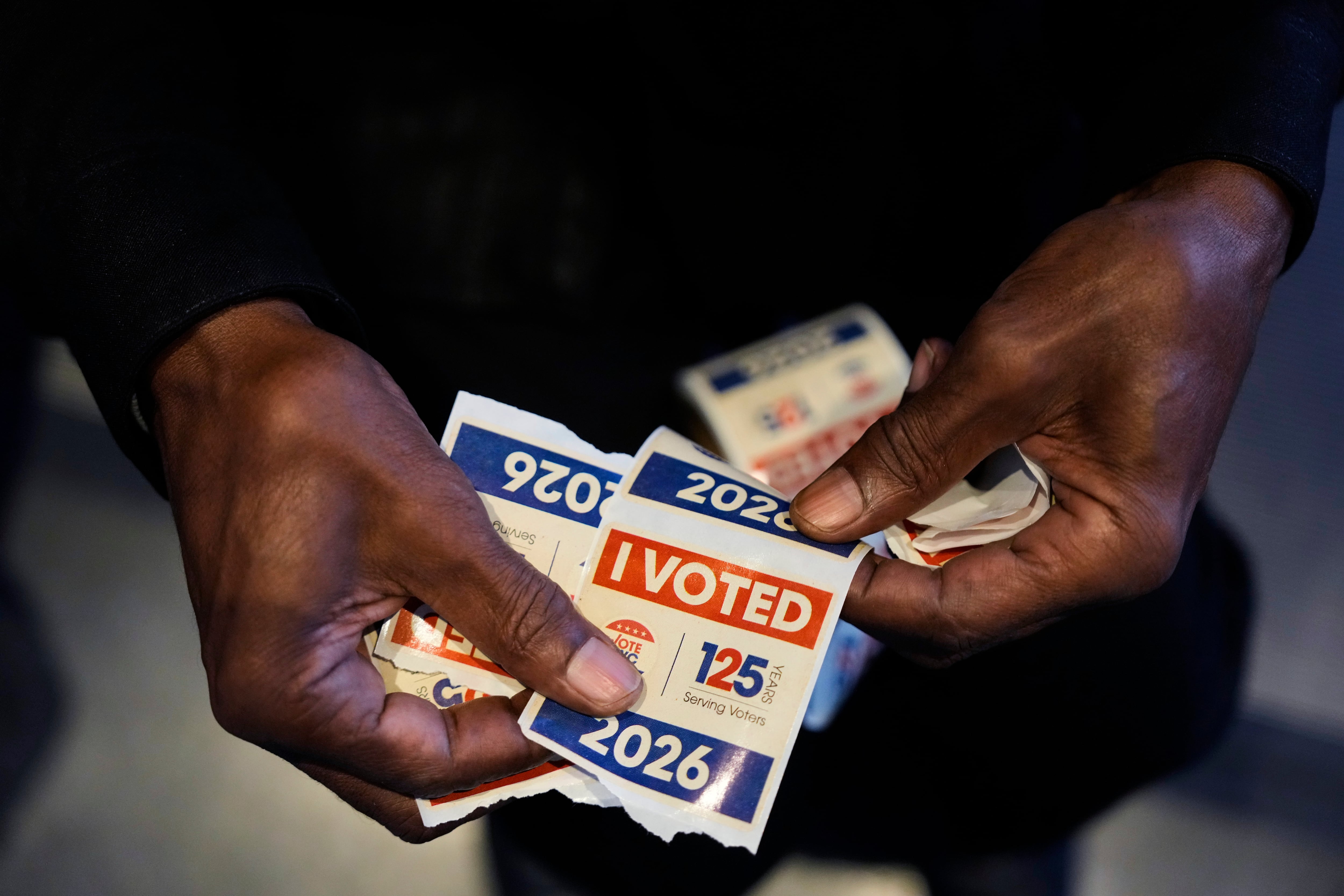
La jornada electoral de las ‘midterms’ de Estados Unidos, en imágenes

Desde los centros electorales en Brooklyn, Nueva York, hasta los colegios en Arlington, Texas. Así avanza este martes de elecciones de mitad de mandato.

Puedes ver las fotos aquí.

El País

El País

Abren más centros de votación

Los colegios electorales abrieron hace unos minutos en Colorado, Montana, Nebraska, Nuevo México, Dakota del Norte, Utah y Wyoming.

En cerca de una hora lo harán en California, Idaho, Nevada y Oregón.
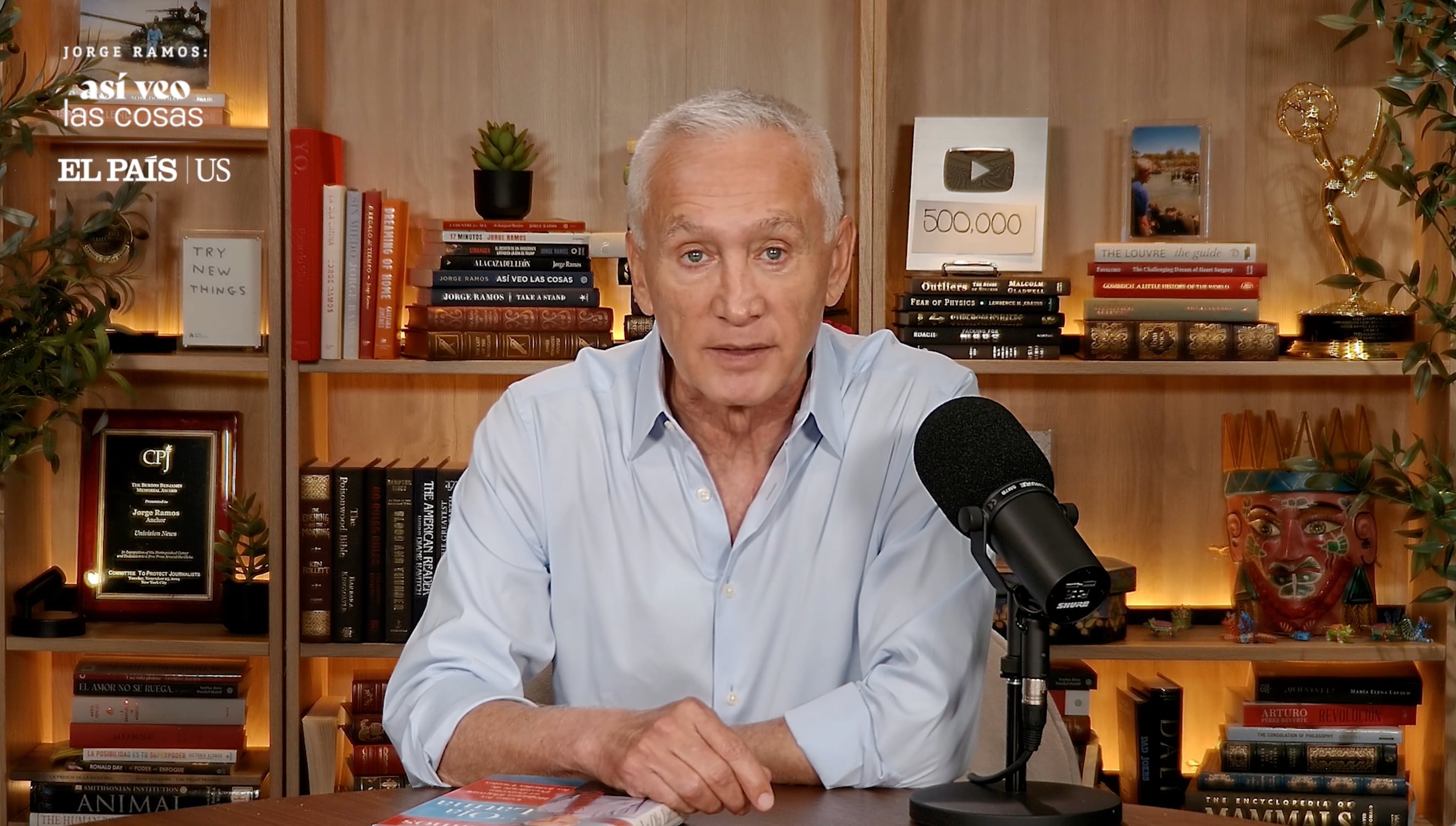
Videoanálisis | “Los hispanos elegibles para votar pueden determinar la dirección del país o si habrá una ‘ola azul”

Las encuestas sugieren que los demócratas podrían recuperar la Cámara de Representantes y el Senado, mientras que los republicanos esperan que su “muralla roja” evite que esto suceda. Serán los votantes hispanos quienes decidan esta batalla.

El País

El País

Algunos lugares del país tendrán lluvias en esta jornada electoral

Aunque se pronostica que no serán tan intensas como las de la víspera en partes del suroeste de Estados Unidos, sí se anticipan precipitaciones en Iowa, Kansas y Texas, Estados con contiendas clave en estas midterms.

En el norte del país, también se pronostican hasta la tarde lluvias en Illinois, Minnesota, Wisconsin y partes de Míchigan.

Y, hacia el sur, ha sido previsto mal tiempo con posibles tormentas eléctricas en el este de Texas, el sur de Misuri, Arkansas y Luisiana.
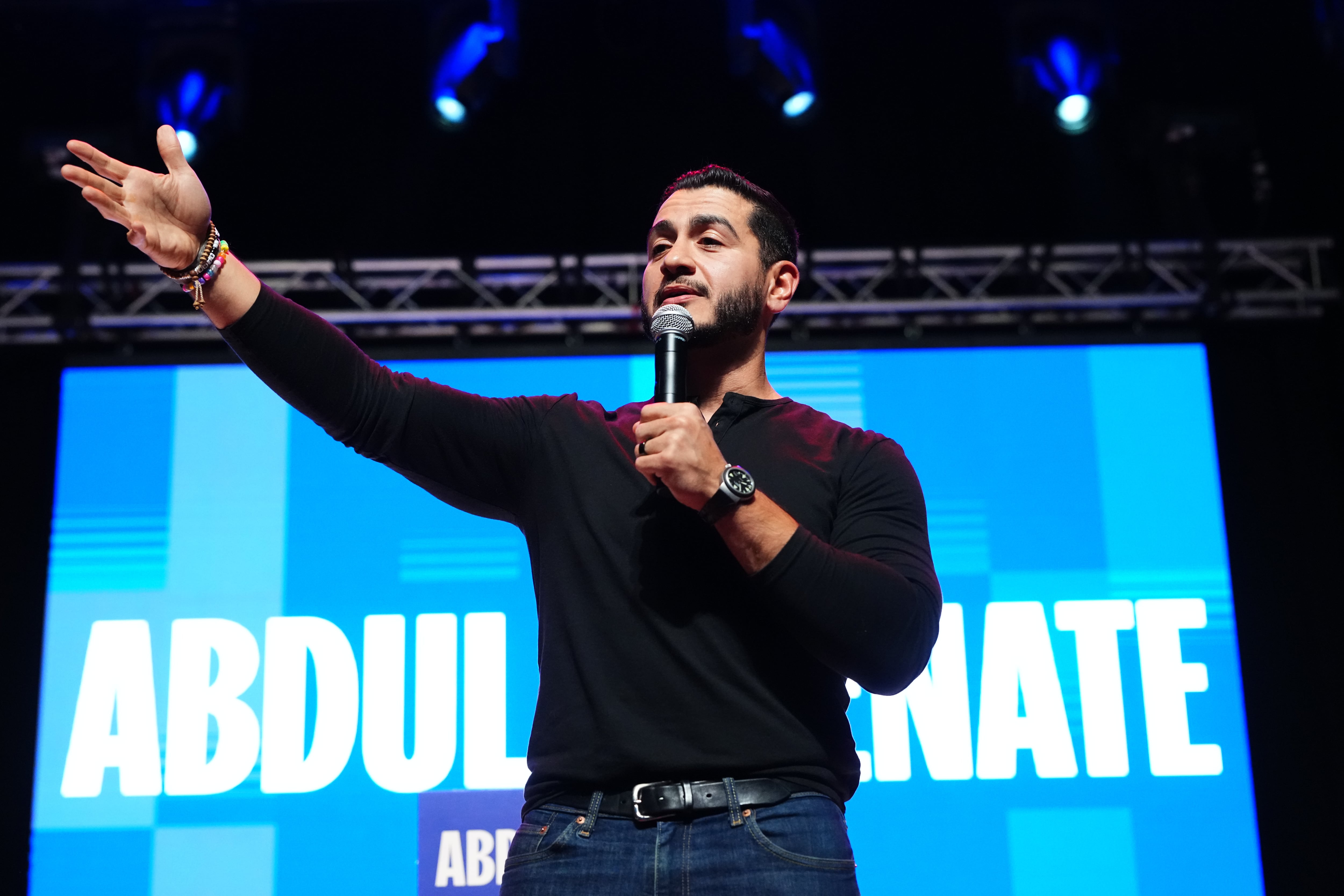
Islamofobia, sanidad gratuita y una puñalada final: la batalla por Míchigan marcará cuánto a la izquierda puede girar Estados Unidos

La batalla por el escaño de Míchigan ha sido una de las más agresivas de estas elecciones. Enfrenta a dos políticos que representan los dos extremos de la política estadounidense actual.

Abdul El-Sayed, un médico hijo de inmigrantes egipcios de 42 años, no es un socialista, pero es muy cercano a sus posiciones.

Enfrente tiene a Mike Rogers, antiguo congresista de 63 años que no oculta su sintonía con el presidente Donald Trump.
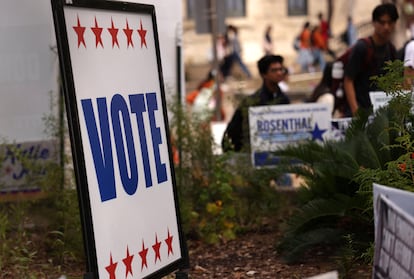
Puedes leer la nota completa aquí. 

Texas, la apuesta de los demócratas en las ‘midterms’ para medir el desgaste republicano

Todo puede pasar en estas midterms en Texas. En la contienda más esperada, la del puesto al Senado, el panorama no está claro para ninguno de los candidatos.

La brecha entre el demócrata James Talarico y el republicano Ken Paxton se ubica dentro —o cerca— del margen de error de las encuestas.

Pero en la recta final de campaña y con vientos a favor, es el partido azul quien mantiene la esperanza de ganar esa plaza después de décadas de derrotas.

Puedes leer la nota completa aquí.

El País

El País

Dónde estarán los observadores del Departamento de Justicia

El Departamento de Justicia divulgó este martes las 126 jurisdicciones del país en las que desplegará unos mil observadores en estas elecciones de mitad de mandato.

Por ejemplo, en Alaska los observadores estarán en Anchorage y en las localidades de Dillingham y Kusilvak.

En California, en los condados de Los Ángeles, Alameda, Sacramento y San Diego. En Georgia, en los condados de Cobb, DeKalb, Fulton, Gwinnett, Chatham y Bibb.

Y, en Texas, en los condados de Bexar, Dallas, Harris, Waller, Blanco, Bowie y Nueces.

Se supone que dichos observadores no tengan acceso a las boletas electorales ni a las máquinas de votación. Tampoco pueden interferir con el proceso electoral de manera alguna. 
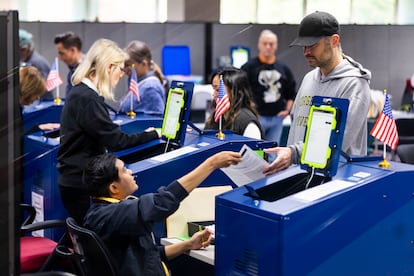
El voto anticipado supera en más de un 20% el registrado en 2022

Las elecciones de medio mandato han movilizado al electorado de una manera que no se había visto en mucho tiempo, lo que ha propiciado el registro de récords de votación anticipada en muchos de los Estados.

Hasta ayer se habían emitido más de 57 millones de votos, un 24% más que los 45,9 millones registrados en las midterms de 2022. Si se compara con los votos totales de las anteriores elecciones de mitad de mantado, ya se ha recibido el 52%.

Puedes leer la nota completa aquí.

El País

El País

Horarios de votación para tener en cuenta

Los centros electorales comenzaron a abrir a las 5 de la mañana (hora del Este) en Vermont. A las 6 de la mañana se hizo lo propio en los colegios en Connecticut, Indiana, Kentucky, Maine, New Hampshire, Nueva Jersey, Nueva York y Virginia.

Se podrá votar en los centros electorales en Alaska y Washington a partir de las 11 de la mañana (hora del Este) y de las 12 del mediodía (también hora del Este) en Hawái.

En la tarde, los primeros centros electorales en cerrar serán algunos en Indiana y Kentucky, a las 6 de la tarde (hora del Este). Una hora después lo harán los colegios en Georgia, Carolina del Sur, Vermont, Virginia, el resto de Indiana y Kentucky y en buena parte de Florida.

Los colegios continuarán cerrando gradualmente de acuerdo con su ubicación geográfica. Los últimos serán los de Hawái, a la medianoche, y los de Alaska, a la 1 de la madrugada.

El País

El País

Comienzan a abrir los centros electorales

En algunas localidades del Estado de Vermont, los centros electorales abrieron tan temprano como a las 5 de la mañana. En otros Estados como Connecticut, Nueva York e Indiana también abrieron ya los colegios.
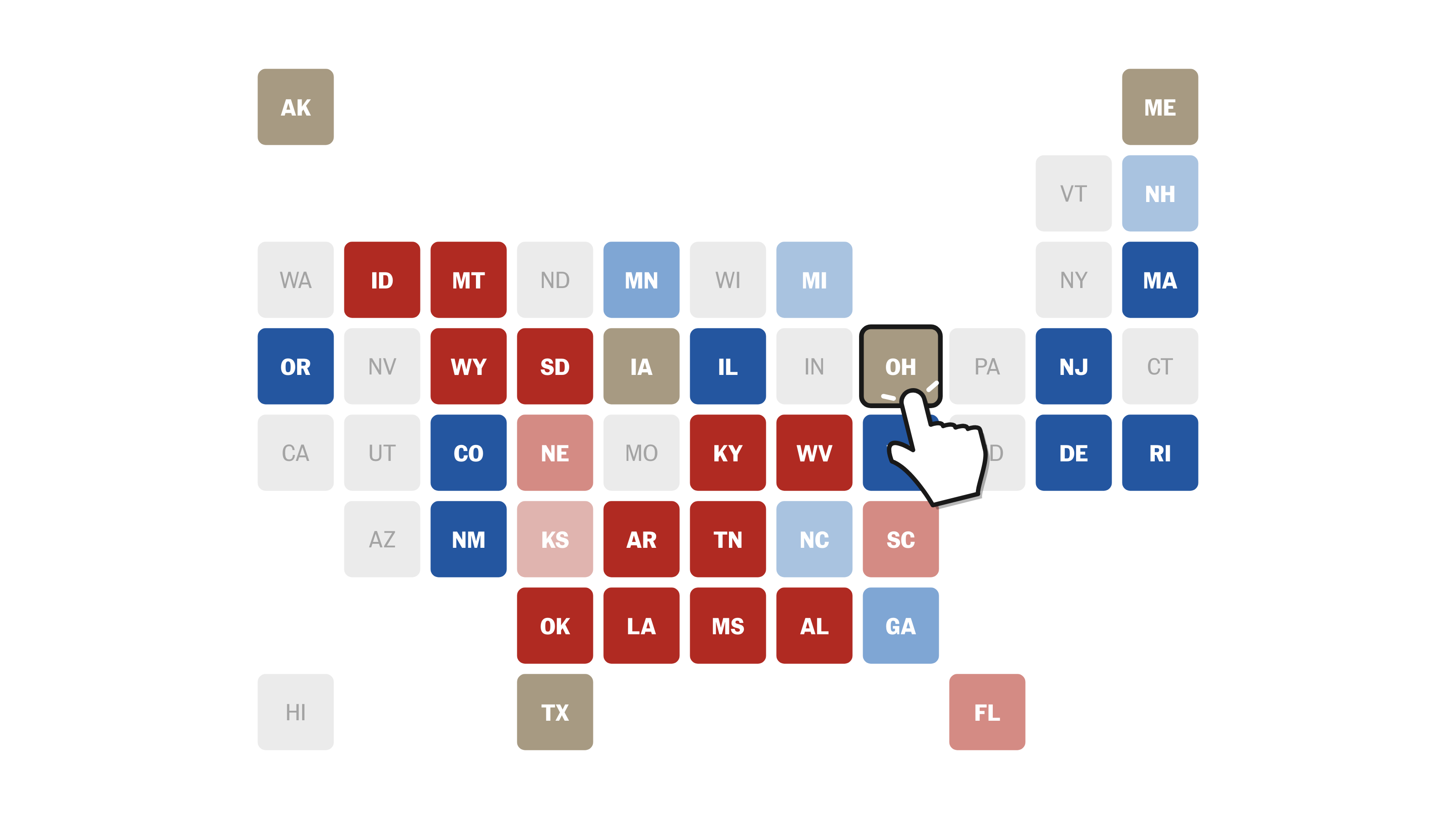
¿Quién se hará con el control del Senado? Dependerá en buena parte de lo que suceda en...

Estados como Alaska, Iowa, Kansas, Maine, Míchigan y Texas. Algunas de esas contiendas concentraron la atención en la recta final de estas elecciones.

Tal fue el caso de Alaska con la demanda del Departamento de Justicia para bloquear la certificación de los resultados si pierde el senador republicano incumbente (que no prosperó), y en Míchigan con una puja demócrata que terminó en traición cuando la exrival de primaria del candidato del partido dio su apoyo público al republicano al que tanto había fustigado en el pasado.

Esta calculadora ayuda a entender la batalla por el control del Senado.
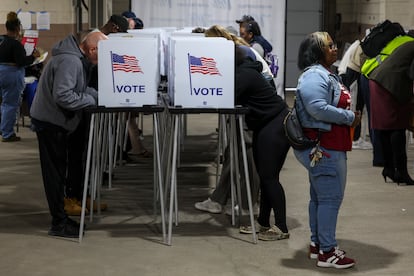
Más observadores en las urnas que nunca: el Gobierno y la oposición hacen un masivo despliegue para monitorear la votación

Por un lado, organizaciones cívicas han lanzado campañas para reclutar decenas de miles de voluntarios que han ido entrenando para que den cuenta de posibles incidentes en los centros de votación, denunciando cualquier tipo de intimidación o la presencia, prohibida por ley, de agentes federales armados en los lugares de votación.

Y, por el otro, Harmeet Dhillon, jefa de la División de Derechos Civiles del Departamento de Justicia, señaló que enviarían a 1.000 observadores a todo el país, en lo que calificó como “el mayor esfuerzo de supervisión” en la historia del DOJ.
Puedes leer aquí la nota completa.

Estados Unidos vota en unas ‘midterms’ decisivas para el poder de Trump: siete claves de las elecciones

Tras meses de primarias y golpes bajos, de insultos y ocurrencias, de una incesante lluvia de millones de dinero sucio, de amenazas al sistema y de sorpresas, llegó el gran día de las midterms, las elecciones legislativas de mitad de mandato con Donald Trump al poder.

Los estadounidenses están citados para emitir su veredicto en centenares de contiendas y contestar a decenas de preguntas planteadas en las papeletas por cada uno de los 50 Estados.

Puedes leer aquí la nota completa.

El País

El País

Buenos días. Ha llegado el día de las elecciones de mitad de mandato en Estados Unidos y en este directo contaremos toda la jornada electoral desde puntos clave del país, incluyendo Míchigan, Texas y Washington D.C.

Además, tendremos un enorme esfuerzo de datos y visualizaciones para marcar la divulgación de los resultados en unos comicios que, entre decenas de contiendas a lo largo y ancho de Estados Unidos, definen el control del Congreso.

Continue Reading

America

Daron Acemoglu: ‘If Democrats Think Everything Can Go Back To Normal, It Will Be A Dangerous Victory’

Published

on

daron-acemoglu:-‘if-democrats-think-everything-can-go-back-to-normal,-it-will-be-a-dangerous-victory’

Interviewing Daron Acemoglu is a race against the clock. The Nobel laureate in economics has many ideas, and each deserves an unhurried conversation, but his schedule runs from one appointment to the next and forces him into a draconian management of time. Even so, Acemoglu engages in the dialogue, pays attention to every question and avoids dispatching it with ready-made answers.

His latest book, What Happened to Liberal Democracy?, traces the past, present and future of liberalism and democracy, two of the pillars of the modern age. It also analyzes the causes behind the decline of the liberal order and the rise, almost in parallel, of extreme nationalism and neo-fascist governments around the world.

They are worth reviewing: the concentration of wealth and an unstoppable rise in inequality; changes in the organization of work driven by globalization and technological automation; the loss of community ties; the rise of social media; migration challenges; and a politics dominated by money and spectacle, and by a social engineering imposed from above that has distanced the majority, particularly the working classes, from decisions that dramatically affect their lives. As if that were not enough, there is now the irruption of AI.

More than a meditation, What Happened to Liberal Democracy? is closer to a work of political and economic philosophy. Nor is it a page-turner that carries us from leap to leap across stories and places, like his previous bestseller, Why Nations Fail, co-written with the political scientist and economist James A. Robinson. Its ambition is more complex than revisiting the origins of prosperity and poverty. It is a journey to the roots of modernity that critically examines some of the central ideas of the West over the last four centuries and proposes a program to rescue liberalism, which Acemoglu considers “one of the most important human inventions.”

When the Zoom window opens, Acemoglu appears in his office at the Massachusetts Institute of Technology, where he teaches. He wears a black-and-white checked shirt that matches a knit tie, also black, and holds a can of San Pellegrino sparkling water. On the desk, to his left, sits a copy of his book.

Question. What led you to write this book? What questions or concerns prompted it?

Answer. I believe, in a nutshell, that liberal democracy is one of the most important human inventions. Our lives would be so different without the institutions of liberal democracy and the aspirations of liberal democracy. We take it for granted, but it’s more important than many technologies that are used daily. And liberal democracy has delivered in terms of really changing our lives. But right now it’s in crisis, and I’m not sure that it will survive through the end of the next decade. And that’s why I wrote the book.

Q. What were the immediate concerns driving you as you wrote it?

A. If you look at surveys throughout the industrialized world, people have a much more negative attitude towards democracy. They have much less trust in democratic institutions. They are much more polarized, which circumvents what’s necessary for democratic governance — some sort of compromise. These are not just empty words. In election after election, we see lower turnout and dwindling support for centrist parties, in preference for either extreme right or, occasionally, extreme left anti-establishment parties that want to fundamentally weaken, change or destroy liberal democratic institutions. And moreover, this is not just a vibe. If you look at many things that were essential for the success of liberal democracies (shared prosperity, high-quality public goods, effective governance), all of those, according to objective metrics, are doing really badly.

Q. In that sense, Brazil’s election is an exceptional and encouraging development. How do you see it?

A. I think it is a mistake to think that all we need to do is repeat what [Joe] Biden did in 2020 against [Donald] Trump, or what Lula just pulled off against [Flávio] Bolsonaro. It’s not enough to defeat anti-democratic, anti-liberal parties and candidates in elections. Because if you do that, but you don’t have a viable, feasible plan of rectifying the problems of liberal democracy, all it will do is that it will mount the discontent even more for the next four years, which is exactly what happened in the U.S. This is exactly what happened in Brazil after the first Lula election. Lula almost lost to Flávio Bolsonaro, which is just remarkable after what his father [Jair Bolsonaro] did. And Trump won in 2024 with the voters fully understanding that he was a dangerous candidate. I don’t think anybody was under any illusion. The same thing is going to happen in France or in Germany, perhaps in Spain at some point. So those are really dangerous times. That’s why I think what we need isn’t just to repeat Lula and repeat Biden, but to develop a workable, inspiring governing philosophy for liberal democracy that’s appropriate for the times.

Q. Elections in Spain are on November 29, so it’s a very critical moment. At the end of your book, you argue that liberalism, if it’s to remain relevant and even a governing ideology, must confront five challenges. Could you briefly summarize them, and why are they so urgent now?

A. I think the bigger picture is, I argue, liberal democracy must inspire, must bring people together and must recreate institutions and practices for the age of AI that go back to its founding principles, which are to support shared prosperity and high-quality public goods, and provide effective voice and self-government to people. So the five challenges that I outline in the last chapter are essentially ingredients for achieving that objective.

I argue that we have to leverage community, which liberal democracy used to do before and has left by the wayside. It has to work with communities in a way that doesn’t allow them to extinguish freedom, individual freedom (sometimes it is sacrificed), but still allows communities to have self-government. And that’s where we see the importance of the liberal part of liberal democracy.

Challenge three is about building voice and citizenship, which is the democratic part of liberal democracy. Part of the reason why we have so much inequality, so much failure of effective public goods throughout the industrialized world and so much dissatisfaction among people is because they feel they don’t have a voice. And I think that voice, to be meaningful, really needs to coalesce around local priorities, but also build up to some notion of citizenship, so that the electoral processes can encourage both local and national politicians to serve those aims.

The fourth one is shared prosperity, which is what I have emphasized as one of the foundational pledges of liberal democracy. And the reason why that’s a big challenge is because AI complicates that. The final one is public services: how we can provide effective public services while still remaining true to dissent and diversity within these nations and communities.

Q. Throughout the book, there is a tension between community and the individual.

A. Correct. A hundred percent.

Q. Is there any way to balance both in this tribal era? Today we don’t live in communities; we live in tribes.

A. Yes, I think there is. Once you start emphasizing the importance of community, it will also become more salient that you have to make sure those communities live according to some broad liberal principles. For example, if we put community on the back burner, we don’t need to worry about how immigrant communities (recent immigrant communities that are still influenced by Islam, and sometimes that belief becomes very strong) deal with problems, because we’re not giving them autonomy. Or traditional communities that may be against transsexuality or other individual rights, because we’re not giving them enough room. Once we start giving them enough room for self-government, then it becomes very apparent, and first order, to actually make sure that individual freedoms are protected. And that starts building both sides of that trade-off: both community rights, but also individual rights.

Q. Can you give an example of a place or society where this is happening, besides Ireland?

A. Switzerland, I think, is a great example. Switzerland puts a lot of emphasis on local community and local governance. Referendums on local matters is one aspect, but citizenship matters a lot. Participation in the community is very strongly encouraged. But it is within very broad confines of liberal values, so that those local communities never take people’s freedom of religion, freedom of association, freedom of thought away from them.

Q. In my country, we have a saying: “We are not Swiss.” Meaning that it’s very difficult to be like the Swiss.

A. Ha ha. I understand… There is a lot of cultural diversity that we have to recognize and that we have to celebrate. But we also have to work hard at getting lessons from different cultural contexts that are generalizable. So I think some aspects of the Swiss experience are about being Swiss, but some of it is about local participation.

Q. We see deep dissatisfaction and declining trust in France, the United States, Germany, Latin America and the Arab world. It feels as though the post-war liberal order, and even the post-Cold War order, has lost its ability to include and represent broad majorities. What is at the core of the crisis?

A. I would say it’s all about the modernization process that is associated with the rise of post-industrial society. Changes in economics brought about by digital technologies and globalization have increased inequality and made creating shared prosperity harder, and at the same time elevated those with managerial, technical and specialized knowledge. And the social changes associated with that are that those groups, which are typically college-educated groups, became both very influential and very separate from the rest of society, in particular from the working class. Their influence is most clearly seen in center-left politics, which is the beating heart of liberal democracy: social democratic parties, the Labour Party in the U.K., Democrats, socialists in Spain and France, which used to get most of their votes from the working class. And now they get almost all of their votes from the college-educated, and the working class has left the center-left. And that is associated both with the culture wars and with the passive attitude of the center-left towards growing inequality and stagnation of the earnings and opportunities for non-college workers.

Q. Non-college workers feel betrayed by liberal elites.

A. And you can sympathize with that. Until Trump’s election, the Democratic Party didn’t understand or didn’t even recognize the plight of non-college workers. It is both economic and cultural. They have simultaneously fallen behind, both absolutely and relatively. And at the same time, they have been experiencing cultural change that they perceive as disempowering, because it’s associated with their values becoming less popular and being often told that their values are wrong.

Q. The midterm elections in the United States will be an important test. What do you think is really at stake?

A. It is absolutely essential that the anti-democratic (and in this case, doubly anti-democratic and anti-liberal) forces are defeated. Trump and the Republican Party that has become Trump’s party should be defeated. But that is not enough. In fact, it’s a dangerous victory for the center-left if they interpret it as “OK, everything can go back to normal.” It will not go back to normal.

Q. It didn’t go back to normal with Biden.

A. It did not go back to normal with Biden. The only hope is to take that as a first step, and then, on the basis of that, start changing what liberal democracy is trying to do in a way that can bring the working class back to the center of center-left politics and the center of liberal democracy.

Q. Many people say that we need to restore the social contract in order to save democracy. You make a more unsettling argument: that social contracts, and the idea that liberalism depends on them, are part of the problem, with roots going back to the Enlightenment. What exactly do you mean, and what is the alternative?

A. It’s a complicated argument, unfortunately, because I do agree that something about what we collectively believe in needs to change, and that’s why I call it the social compact. You could call it social contract, except that social contract gained a specific meaning in Enlightenment philosophy. It’s an implicit contract that we are supposed to have signed, even though none of us signed, that tells us what we owe to society and what society owes us, and what’s right, what’s wrong. In Kant’s version, it’s the right moral rules that we should always follow. In Rousseau’s version, it’s the general will. In Locke’s and Hobbes’s versions, it’s some cousin of that. But the problem is that it’s always top-down. It doesn’t ask people’s opinion, and it doesn’t try to convince them. There are some rules that are fair and just, and social contract is achieved by following them. It’s not going to succeed because we need to convince people to make compromises around shared values, and it has to be a bottom-up process, not a top-down process.

Q. What did we lose as local associations, unions, forms of belonging and networks of solidarity weakened?

A. We’ve lost a lot. The decline of community has many causes, but one of them is that we participate much less in community and associations, including trade unions, but other things too. Churches, sports clubs, local things that enabled people to help each other or to get together around a common purpose were a very important part in which people became excited and participatory in the community. The evidence, which is not in my book because I’m working on it at the moment, shows that when associations decline, communities become less powerful in dealing with adversity, and many of the social problems become more likely. And I think associations are the tip of the iceberg. We really need to give people purpose and some shared goals and values around which they can collaborate, cooperate, exchange ideas. That’s what we have to do. And I think, at its best, that’s what liberal ideas did. And we have to go back to them, even though the times that we’re living in, with AI and social media, are very different from the early 20th century.

Q. I want to push back a little bit. Is that really something we can achieve? Can we go back to community at a moment when social media is fragmenting society, atomizing everything, and AI promotes, or even promises, a world in which we don’t even have to work?

A. You’re right to question that. And I’m not optimistic, but I’m hopeful. I’m not optimistic because I definitely don’t think that’s where we’ll end up if we don’t do anything. But I am hopeful that what I’m saying is feasible. People are dissatisfied with social media, and they are missing many of the things that real-world social networks gave them. So if there are alternatives to social media for people to form bonds, and they are attractive, and social media is regulated, I think there is hope for that. And I argue at length in the book how it is possible to steer AI in a different direction, so that it doesn’t become a job killer but becomes a complement to building shared prosperity. Again, that’s not where we’re going. So it’s a big lift that I’m asking from civil society and from governments to make that happen, but it is feasible

Q. What role can civil society play, for instance, in the United States, where everything seems to be in the hands of just five or eight guys in Silicon Valley?

A. That’s exactly the role that civil society can play. It’s not the first time in American history, or in world history, that a sort of oligarchy has taken control of both economic and political power. And the only way out of that is civil society. That’s what we saw, for example, with the Progressive Era. In the Gilded Age, we had the same problem of a small number of multimillionaires and big companies becoming both economically and socially dominant and controlling politics. But civil society reaction changed politics, ultimately brought us three presidents bent on changing the system, changed legislation and transformed the rest of U.S. politics.

Q. It seems very hard.

A. It is hard. So if your question is whether what I’m proposing is likely to happen by itself, or easy, the answer is no. If your question is whether what I’m saying is possible: yes.

Q. My question is different. The U.S. has been a stable democracy for over 200 years, without revolutions, unlike many other parts of the world. Is the program you propose, a compact society based on community, feasible without a revolution?

A. I think so. In fact, revolutions rarely work, because they polarize, and I think we need to reduce polarization. And if you look at people on the left and the right, they are hugely polarized, but there are so many things that are in common. They are all dissatisfied about the same things: lack of jobs, low-quality schooling, low-quality public services, politicians who lie, politicians who are serving the oligarchy. So yes, we need radical change, but it doesn’t need to come with revolution.

Q. You say that the response cannot come from social engineering from above, but from working-class liberalism. Is working-class liberalism sufficiently organized today, through unions and parties, to take on that task?

A. Absolutely not.

Q. Where should the rebuild begin? And, looking again at the midterms, what kind of outcome or political mandate could open space for these reforms?

A. I think the best lessons we can learn from history are from the rise of social democracy. Before social democratic parties formed, in their current form, in Scandinavia, there was no hope for the system to evolve in that way. So that was an innovation, an institutional innovation. And it has to come from civil society, and it has to come from the center-left changing its focus. There are many talented center-left politicians, but they have to break out from their current focus of just speaking to their base, and try to broaden the base. And I think that’s the first step.

Q. One last question: how much time do we have to steer the direction, and what leaders can represent this kind of change?

A. I don’t know what leaders; we will have to see. But time: I think we don’t have much, because democracy is getting weaker and AI is becoming more dominant. But it’s not a matter of weeks or months. I think we have several years, but we don’t have 10 years. So it is urgent.

Q. People say that AI is going to annihilate every one of us in maybe five years.

A. Exactly. So we have to act before then.

Sign up for our weekly newsletter to get more English-language news coverage from EL PAÍS USA Edition

Continue Reading

Africa

‘Swift’ Telescope To Crash Into Earth After NASA Rescue Attempt Fails

Published

on

‘swift’-telescope-to-crash-into-earth-after-nasa-rescue-attempt-fails

The Swift space telescope is about to be engulfed by Earth’s atmosphere. After nearly 22 years of service, the NASA observatory will re-enter the atmosphere uncontrolled in the coming days, at an unspecified time after sunset on Tuesday. This is the result of the failure of an emergency rescue mission, which the U.S. space agency organized in an unprecedented collaboration with a startup, given the importance this small satellite had acquired for the international astronomical community. With its loss, we are losing a unique tool for detecting the most violent explosions in the universe and alerting other telescopes so they can study them in greater detail.

Swift had been, since 2025, very close to the altitude at which an object in orbit inevitably falls and disintegrates, pulled down by Earth’s gravity and heated red-hot by friction with the atmosphere. Past the point of no return, the time and place of its fall can only be calculated with reasonable precision shortly before it occurs. In the meantime, only open-ended estimates exist.

Late on Monday, reentry was expected around 10.00 a.m. Wednesday, peninsular Spanish time (4 a.m. EST), with an uncertainty margin of 12 hours before and after, according to calculations by Aerospace Corporation, one of the main organizations that track decaying space objects. For astronomer Joseph Remis, a specialist in these calculations, Swift’s fall could be brought forward by up to four hours. Remis says a solar storm over the past weekend “has significantly advanced the reentry date.”

Update: obj. 28485 SWIFT decay prediction: November 04, 2026 UTC 05:31 ± 12h
The October 31 G2 geomagnetic storm increased atmospheric drag, significantly advancing the re-entry date. pic.twitter.com/UpmnA2pO6j

— Joseph Remis (@jremis) November 1, 2026

Every day, one or two of the more than 10,000 Starlink satellites in Elon Musk’s network fall to Earth; with limited ability to propel themselves and escape, they have an on-orbit life expectancy of about five years. As with them, the precise impact site for Swift cannot yet be determined. Its orbit traces a band roughly between 21 degrees north and south latitude. Although most of that part of Earth is ocean, it also includes territories in Africa, Asia, and Latin America. During reentry most of this roughly 1.5-ton observatory will disintegrate — it is five times heavier than first-generation Starlink satellites that are falling daily. Still, experts expect a few small, charred fragments to reach the surface.

Swift’s descent had been scheduled for the final weeks of 2026, but it was accelerated by solar activity, which increases friction with the upper atmosphere and slows the satellite. NASA announced the end of its operations a few days ago: on October 20 the telescope had descended to an altitude of about 275 kilometers (170 miles) and entered “survival” mode after being unable to compensate for that drag. The high-value scientific telescope then sent the order to terminate its mission and prepare for reentry from the control center at Pennsylvania State University (U.S.), which had been operating it since 2024.

A failed rescue

On August 19, NASA and Katalyst Space conceded they had lost the chance to save Swift. The robot sent to rescue it, LINK, suffered an orientation problem that prevented an attempt to capture the telescope and raise its orbit. That probe had launched on July 3, just seven weeks earlier, on a mission never before attempted by NASA. With its failure, the observatory lost its last opportunity and was once again doomed to reenter Earth’s atmosphere. The agency nevertheless kept the objective of carrying out close-approach maneuvers between the two craft to test technologies that could enable future robotic satellite-servicing missions.

The operation had been prepared against the clock. In September 2025, NASA awarded Katalyst a $30 million contract, and the company developed the mission in nine months. LINK was to grab an observatory that had never been designed to be towed with three robotic arms and lift it from about 360 kilometers (223 miles) of altitude up to the 600-kilometer (373-mile) height of its original orbit. The goal was to gain several more years of observations. The urgency was imposed by the Sun. Its activity intensified drag in the upper atmosphere and sped up the descent of Swift, which had been operating for more than two decades despite being conceived for an initial two-year mission.

Sign up for our weekly newsletter to get more English-language news coverage from EL PAÍS USA Edition

Continue Reading

Trending

Copyright © 2017 Spanish Property & News