
Mercadona
Mercadona faces pressure over its ready-made meals as Spain’s bars demand new rules

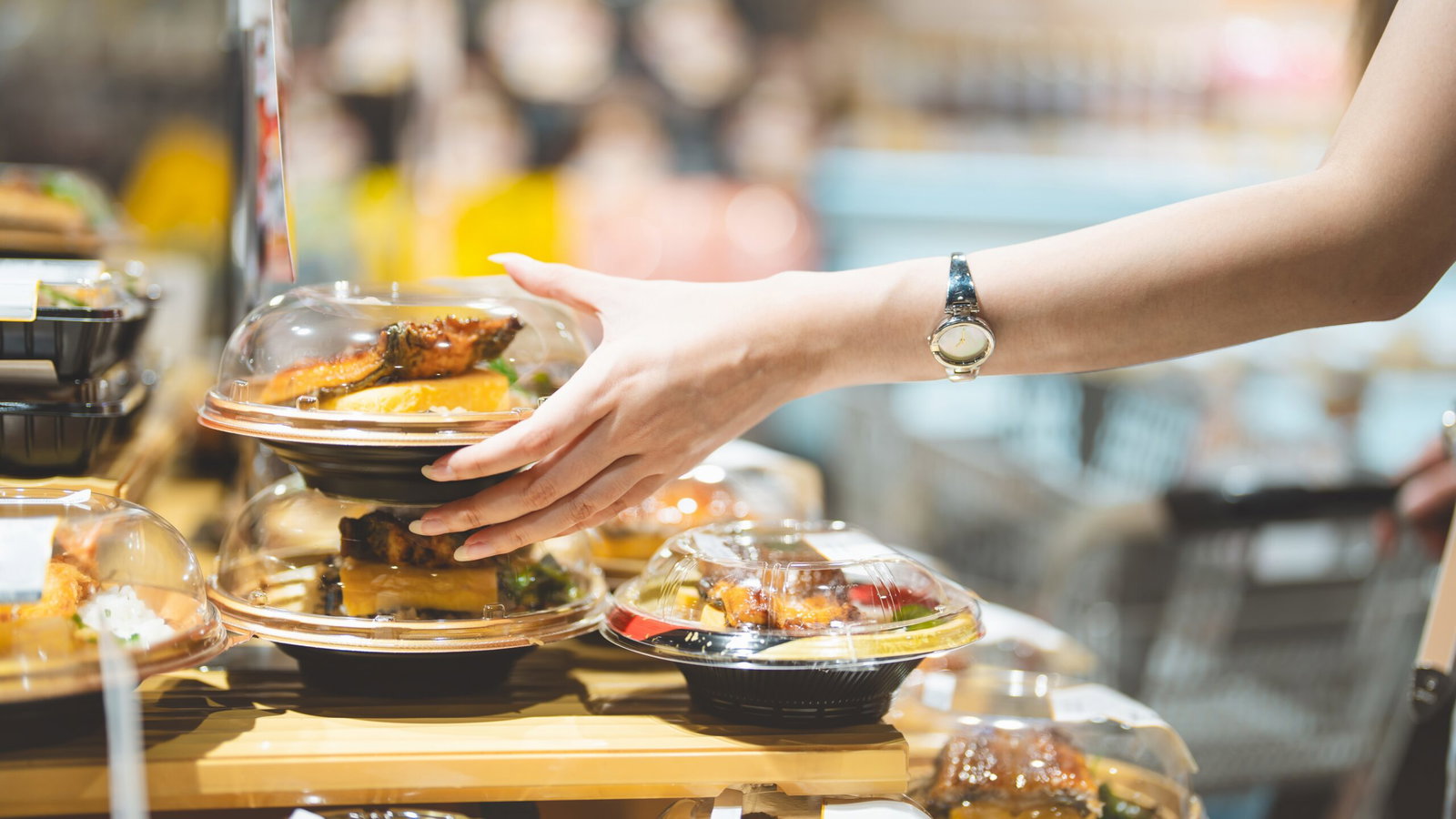
Mercadona has been at the centre of the debate. Photo credit: dodotone/Shutterstock
If you grab a ready-made lunch from Mercadona and eat it in the supermarket, you could be at the centre of a growing row between Spain’s supermarkets and its bars and restaurants. The hospitality industry wants supermarkets serving food and drink for customers to consume on the premises to face the same rules and costs as traditional hospitality businesses. It is now asking political parties to take up the issue ahead of the next government, although no new tax has been introduced.
Hostelería de España, the national organisation representing the hospitality sector, has included the proposal in a list of 30 requests sent to political parties. It argues that businesses offering similar services should face equivalent tax, health, labour and licensing obligations. The organisation says the current differences put bars and restaurants at a disadvantage when competing with supermarkets that have expanded their ready-to-eat food ranges. The proposal is a request from the hospitality industry, not an announced government measure. Any change would depend on whether political parties adopted it and a future government decided to act.
Why supermarkets have become part of the dispute
The argument centres on the growth of prepared meals sold by supermarkets, including food that customers can eat in designated areas inside the store. For traditional cafés, bars and restaurants, these services increasingly overlap with what they offer, particularly for people looking for a quick lunch without sitting down for a full restaurant meal. Mercadona has been at the centre of the debate because of its expansion of ready-to-eat food and spaces where customers can consume it. Other supermarket operators have also developed similar services.
José Luis Álvarez Almeida, president of Hostelería de España, raised the issue publicly in May, arguing that supermarkets were moving into territory traditionally occupied by bars. The association has now taken the complaint into the political debate, seeking changes that would apply to businesses offering comparable services rather than targeting Mercadona alone.
The organisation wants food and drink served for consumption in public areas within commercial premises, clubs and associations to be subject to the same requirements as equivalent services in bars and restaurants. That would mean addressing differences in taxation, food safety rules, employment obligations and licensing. The precise changes would need to be defined by policymakers; the proposals do not set out a new tax rate for supermarkets.
The industry says the rules should be the same
Hostelería de España argues that traditional hospitality businesses face obligations that may not apply in the same way to other businesses offering food for immediate consumption. It believes this creates an uneven playing field, particularly for independent establishments that must meet the costs of running a bar or restaurant.
The organisation represents around 320,000 establishments, including bars, restaurants and cafés. The sector accounts for 6.7% of Spain’s gross domestic product, while the restaurant industry alone contributes 4.7%, according to figures cited in its proposals. It also generates direct employment fo
Those figures form part of the association’s case for giving hospitality a stronger position in economic policy. Its demands extend beyond supermarket food counters, covering taxation, recruitment, small businesses and the preservation of traditional restaurants. For customers, the practical question is whether any future changes would affect the price or availability of prepared meals in supermarkets. There is no confirmed answer yet. The proposal does not automatically mean higher prices, and no change to supermarket charges has been announced.
Other demands include protecting the 10% VAT rate
The supermarket dispute is one of 30 proposals Hostelería de España has sent to political parties ahead of the general election scheduled for 29 November. Another major demand is to protect the reduced 10% VAT rate currently applied to hospitality services. The organisation is concerned about calls at European level for Spain to remove the reduced rate and apply the standard 21% rate instead. It argues that a rise could affect demand, employment and businesses already facing high operating costs.
The association is also calling for changes to the cost of hiring extra staff. It says an additional social security contribution of €31.22 per day for extra workers makes temporary recruitment more expensive, particularly when businesses need additional staff for weddings, banquets and large events.
It wants the contribution surcharge removed, arguing that hospitality businesses should not face an extra cost that it says does not apply in the same way to agriculture. Other proposals include increasing the tax-exempt value of meal vouchers to €14, reducing administrative paperwork for small businesses and self-employed workers, and improving support for traditional restaurants in rural areas. The organisation also wants a dedicated Directorate-General for Hospitality and Tourism within the Ministry of Industry and Tourism.
What happens next?
Hostelería de España has asked to meet political parties to discuss its proposals and seek their inclusion in the next legislature’s agenda. That leaves the supermarket demand at the stage of an industry request: it would require political support and subsequent regulatory decisions before any new obligations could take effect.
For now, shoppers can continue buying prepared meals from supermarkets under the rules currently in place. Whether future legislation brings supermarket food counters closer to the regulatory framework for bars and restaurants will depend on the decisions taken by the next government.
The hospitality sector is making its position clear before the election. It wants businesses serving food to customers on their premises to compete under equivalent conditions, regardless of whether the meal is bought in a traditional restaurant or a supermarket.






Mercadona is introducing clearer food labels across its product range.
Credit : NestorMN, Shutterstock
Mercadona customers in Spain might have noticed a change in the packaging of their favourite products. The supermarket chain is trying to make its food labels more readable by increasing the font size and including more information to help customers better understand what they are purchasing.
The changes will affect everything from the ingredient list to cooking instructions on the labels of foods and beverages. If you’ve had a hard time reading tiny labels or comparing the nutritional information on different products, this new label may make shopping easier for you.
Mercadona has been gradually implementing these changes rather than replacing all labels at once. The changes were driven by customer feedback that they wanted more convenient product information.
In an explanation published by the supermarket chain, Mercadona said it had already implemented packaging improvements on approximately 4,000 products, with the ambition of exceeding 6,000 during 2026.
What is changing on Mercadona’s food labels?
One of the most obvious changes is the font size. Mercadona has increased the font on its new packaging to make key information easier to read without having to pore over each line of fine print.
The company has also reorganised information into clearly defined sections, making ingredients, nutritional details and preparation instructions easier to locate. This will help customers find ingredients, nutritional information, and instructions more quickly.
Another key improvement is the nutritional tables. Instead of having various formats for different products, Mercadona is working on making the nutritional information more uniform.
This should make it easier for shoppers to find information like calories, fat, saturated fat, carbohydrates, sugars, protein, and salt.
The changes are particularly helpful for those who regularly compare similar products, follow specific diets or want to keep track of their food intake.
The company is also making cooking instructions more visual. Some of the newly designed packaging now features icons and images showing how to cook the products, including oven, microwave, and air fryer directions.
The purpose of this is to provide the customer with clarity about how to prepare food without having to read the long instructions printed on the packaging.
According to Spanish newspaper 20minutos, the changes are being rolled out slowly, so customers may see both old and new labels in their stores.
Mercadona adds nutritional information per portion
One of the most useful changes involves the way nutritional values are displayed. Under EU food labelling rules, nutritional information on most prepacked foods must be expressed per 100 grams or 100 millilitres, allowing shoppers to compare products more easily. This format makes it easier for consumers to compare similar products, even if they are sold in different sizes.
The information will be kept on the label. The company has added per portion nutritional information where it is considered to be useful.
For example, the calorie content per 100 grams might be presented on the package along with the number of calories in the suggested serving.
It provides two methods of evaluating the product. Per 100 grams may be useful for comparison, while per portion may provide a more practical idea of how much the average consumer will consume in a single serving.
However, there is a difference. The manufacturer’s recommended portion size does not necessarily match what a person actually consumes.
Therefore, a consumer comparing two products should continue to use the per 100 grams or 100 millilitres figures instead of solely relying on the serving sizes.
The new changes do not mean that Mercadona has started a new nutritional labeling system, or that the nutritional profile of its products has changed. Instead, the new labels are an improvement on the presentation and, in some cases, the addition of information.
What Mercadona shoppers in Spain should know
Mercadona’s packaging changes are part of a longer program, not an immediate overhaul that will be introduced in every supermarket in October 2026.
The company has been working on improving product labels for several years. The company’s latest communication highlights how these improvements are being extended across thousands of its own-brand products.
For customers, there is no need to do anything. Newly redesigned labels will be available as the packaging is changed. The availability of each design may vary.
The changes will be of particular importance to foreigners who are shopping at Mercadona but may not be entirely comfortable with the food labeling in Spanish.
Larger font size, more clearly divided sections and visual preparation instructions can make it easier for users to find the information they need.
However, those who have food allergies or intolerances should always check the ingredient list and allergen information for each product. The visual appearance of the packaging may not tell the whole story.
Mercadona has also warned its customers shopping at its online supermarket to be sure to check the physical packaging of their orders. Sometimes, product images on its website may not be up to date.
The supermarket explains this in its official guidance on ingredients and allergens.
For Mercadona customers, there may be some minor differences but they may affect your shopping experience. The next time you pick up that familiar product, you may notice a new label, but it will contain the same product.
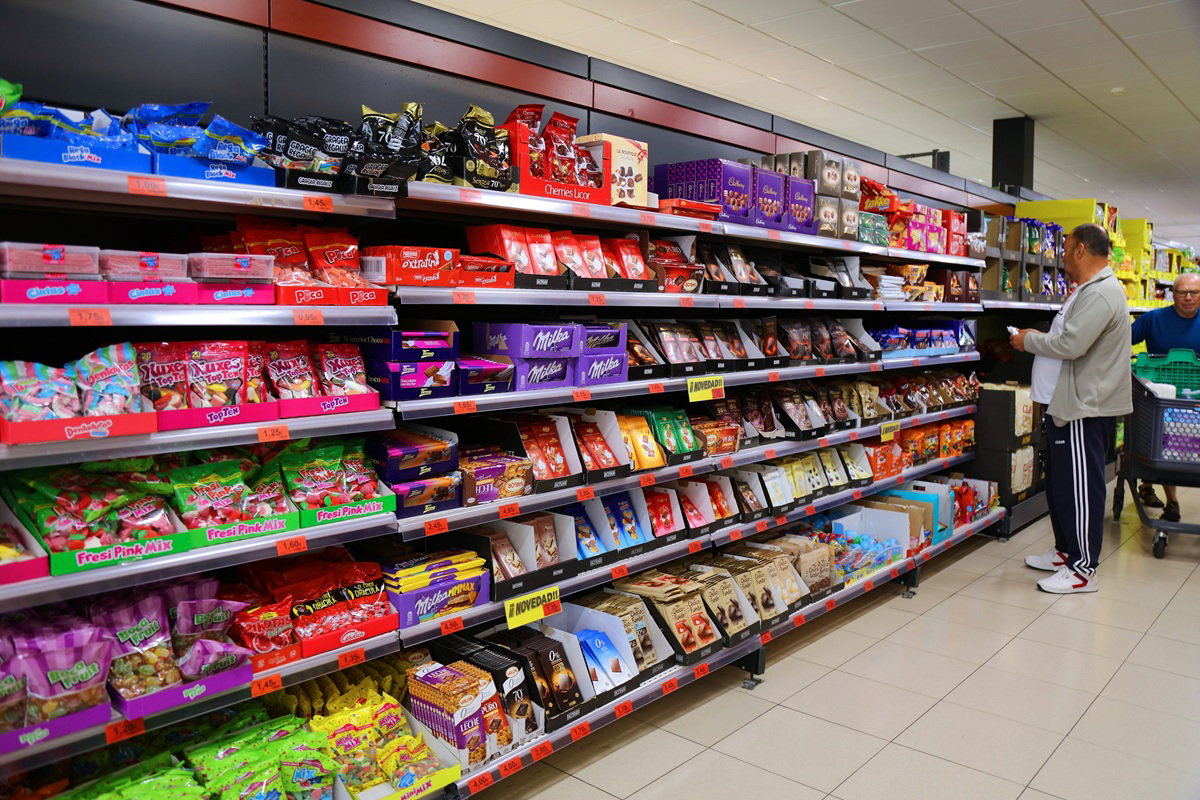
Supermarket opening hours across Spain will vary on October 12.
Credit : Tupungato, Shutterstock
If you are planning a supermarket run during Spain’s October 12 national holiday, checking the opening hours before leaving home could save you a wasted journey.
The national day of Spain, known as the Dia de la Hispanidad, falls on a Monday this year, allowing many people to enjoy a long weekend. However, there is a catch for anyone who is putting off their weekly shop: There will be different opening hours in many supermarkets across the country, and some of the country’s biggest chains are expected to close most of their stores.
There is no one rule for all supermarkets. While some retailers may close most of their stores for the holiday, others will open certain locations or operate on shortened hours, depending on the city, region, and store.
So, if you find yourself at home on Monday morning and realizing there’s no milk in the fridge, here’s what you need to know before heading out.
Mercadona, Lidl and Aldi: which supermarkets open on October 12?
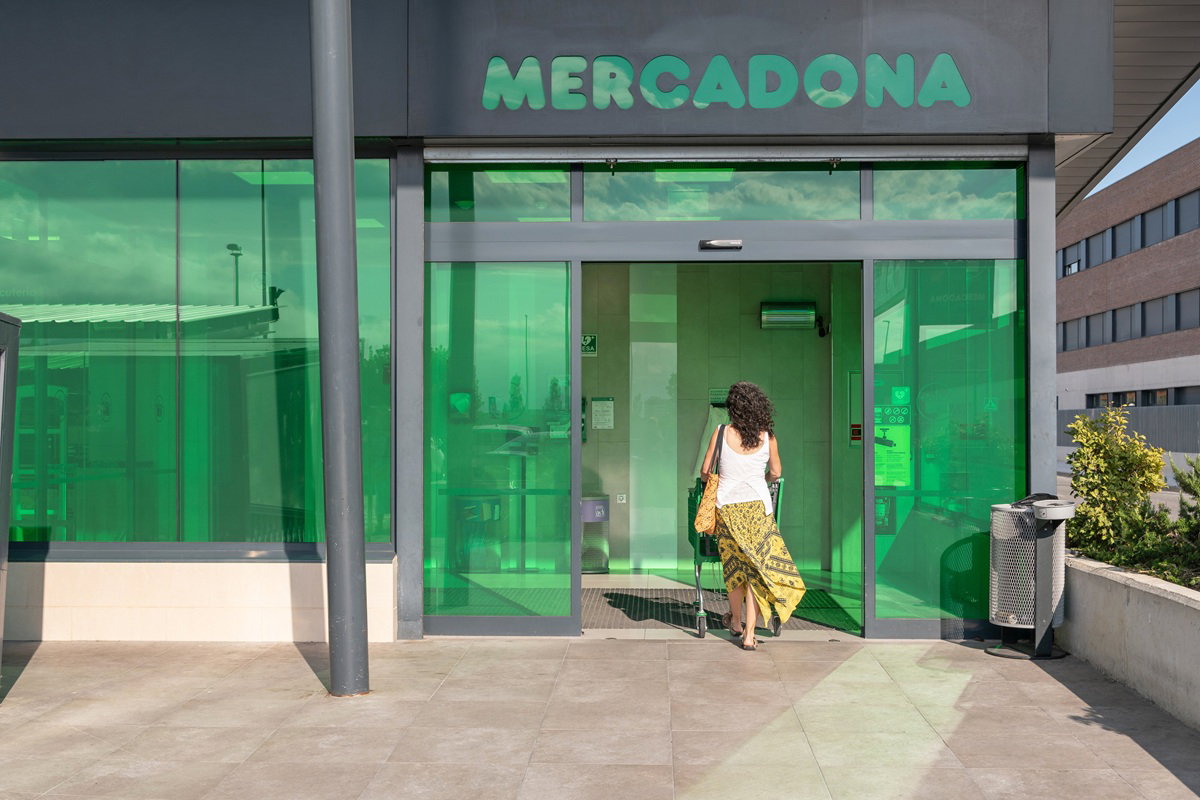
Mercadona shoppers should plan ahead. The chain is expected to operate its normal 9am to 9.30pm schedule on Saturday, October 10, before closing virtually all of its supermarkets on both Sunday, October 11 and Monday, October 12.
Saturday is the safest day for those who normally use Mercadona and need to stock up before the holiday weekend.
The situation is less straightforward at Lidl.
Opening hours for Lidl are not fixed nationwide. Instead, the store’s hours may vary depending on its location and the store itself. To check the store hours of your local Lids store, please search for your nearest Lidz store using their official store finder which provides the store opening hours and special holiday schedules.
The same principle applies to Aldi, where October 12 opening depends on location.
Some Madrid stores, for example, are expected to remain open on the public holiday. The branch at Calle Conde de Penalver, 45 and the store on Carretera del Barrio de la Fortuna, 1 are scheduled to open from 10am until 10pm.
Meanwhile, Aldi supermarkets at Avenida de Santa Eugenia, 4 and Avenida de Juan Antonio Samaranch, 55 are expected to operate from 10am until 9pm.
These are not Aldi’s general store hours, however. Customers from other areas of Spain should check their store’s hours before travelling.
Carrefour, DIA and Alcampo opening hours vary by location
For customers who shop at Carrefour, DIA or Alcampo, the answer is mainly in where you live.
Dia will be keeping some of its supermarkets open on October 12, as it operates in areas of high residential and tourist activity. However, there will be no uniform timetable for openings, and so some stores may be open while others may not be or may be restricted.
DIA’s customers can use the store finder to search for their town or address to get the latest news about their nearest store.
Alcampo is also a store-based approach. Alcampo’s store finder on its website lets customers enter their postcode and find information about a particular supermarket or hypermarket.
Carrefour also informs customers that the holiday hours are not the same in all its stores. It provides an online tool to check the holiday opening hours for a store near you. It is especially important to check this before visiting the store on Monday.
For all three chains, checking before setting off is especially worthwhile on a national holiday, when Google-listed opening times or someone’s experience from a previous year may not necessarily reflect the schedule for October 12.
Shopping in Spain on October 12? Check before you leave home
The easiest plan of action is this: If you need a major grocery shop, do it before Monday.
Mercadona customers should stock up by Saturday. Lidl, Aldi, DIA, Carrefour and Alcampo shoppers may have more choices depending on their location.
People who are staying in the tourist places will also find more supermarkets open than the ones in other parts of the country. But there is no guarantee that they will be open since the shops are usually open for seven days a week.
And even if a supermarket is open on October 12, it may be open for less time than usual.
Before you leave for your destination, check the store locator of the chain for the specific store you plan to visit. It’s especially helpful early in the morning or late at night when holiday hours make it more likely that the doors are closed.
For anyone planning a long weekend away, hosting friends or avoiding an empty fridge, a few minutes of searching and maybe even an early trip to the store could make October 12 much easier.
Where are they? Expat questions local police presence
Mercadona faces pressure over its ready-made meals as Spain’s bars demand new rules
Spain orders replacement of eight million gas meters: New rules, costs and deadlines


-

 New Developments4 weeks ago
Luxury Villas For Sale, Estepona – ProjectL1
-
EU3 weeks ago
EU nicotine crackdown sparks warning that ex-smokers could be driven back to cigarettes
-
Blackout preparedness4 weeks ago
Brussels takes action against Spain over failure to update blackout plan
-

 Uncategorized4 weeks ago
Lewis Hamilton F1 wish could come true as stunning plans for new track revealed
-
 Housing access / crisis / affordability4 weeks ago
Radical Housing Decrees Defeated As Snap Election Talk Grows
-
British tourists arrested in Magaluf3 weeks ago
British tourists arrested after taxi driver left bloodied in Magaluf
-
Catalonia3 weeks ago
Why the rain opened a hole in front of Granollers’ courts
-
3I/Atlas4 weeks ago
3I/ATLAS surprises scientists again as they spot something unusual around the comet