
athlete with Cerebral palsy. Murcia hiker
Murcia athlete with cerebral palsy takes on 3,479-metre Mulhacén challenge

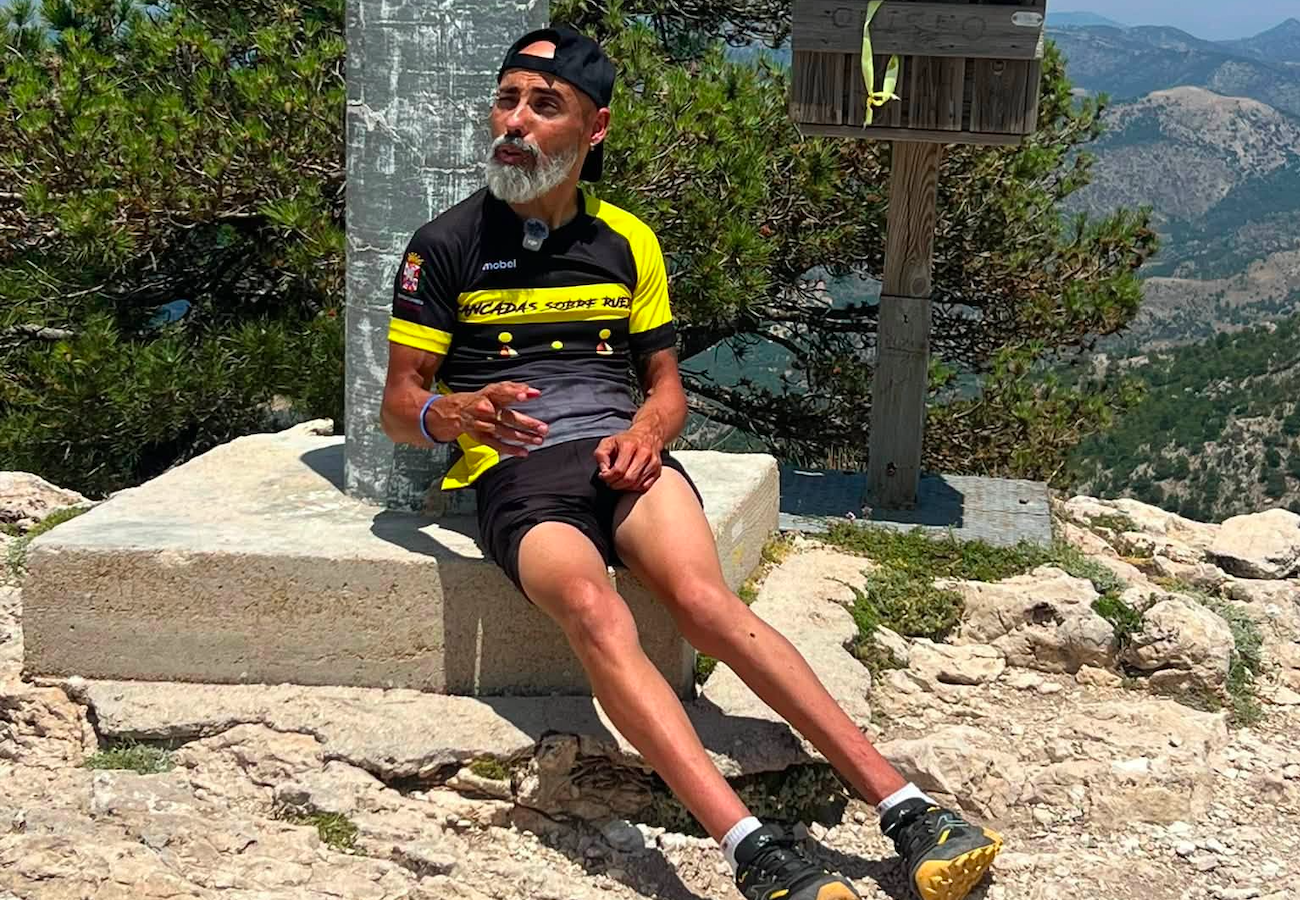
His latest challenge will see him tackle the demanding ascent of Mulhacén on foot. Photo credit:TotalEnergies Maratón Murcia Costa Cálida/FAcebook
When most people look up at Mulhacén, they see the highest mountain on the Iberian Peninsula, a towering summit that rises 3,479 metres above sea level and tests even experienced hikers with its steep climbs, thin air and unpredictable conditions. One Murcian man, however, sees something very different: another finish line.
Francisco Pérez, better known as “Superpaco,” will attempt to climb Mulhacén, despite living with cerebral palsy, a condition that affects the movement and coordination of his legs. His challenge is about far more than reaching the summit, it is about proving that determination can carry people further than many believe possible.
A mountain with a message
At 43 years old, Superpaco has become a familiar face in Murcia’s adapted sports community, and his latest challenge will see him tackle the demanding ascent of Mulhacén on foot, supported by a team of companions who will help him maintain his balance across the mountain’s most difficult sections. Volunteers from the association Zancadas sobre Ruedas will also provide logistical support throughout the climb, ensuring he can concentrate on the demanding journey ahead.
For many climbers, reaching Mulhacén’s summit is a personal achievement, but for Superpaco the mountain represents something much bigger. He hopes his ascent will encourage children, young people and adults living with disabilities to believe that barriers are not always as immovable as they first appear. “I’m not climbing Mulhacén to prove I’m different,” he said ahead of the challenge. “I’m climbing it to show that we’re all capable of going much further than we believe.”
No stranger to breaking barriers
This is not the first time Superpaco has refused to let cerebral palsy define what he can achieve. He is the Spanish T71 Frame Running 100-metre champion, competing in a discipline designed for athletes with coordination and mobility impairments, and has already completed numerous sporting challenges, including reaching the summit of Revolcadores, the highest mountain in the Region of Murcia, as well as taking part in the TotalEnergies Maratón Murcia Costa Cálida.
Each challenge has carried the same message: physical limitations do not have to limit ambition. Mulhacén, however, represents his biggest test yet, demanding endurance, resilience and determination over one of mainland Spain’s most demanding mountain routes.
More than a climb
The expedition will also form part of the documentary Superpaco, héroes sin capa (Superpaco, Heroes Without a Cape), which follows his sporting journey and the people supporting him along the way. Photos and videos from the ascent are expected to be shared on social media, allowing supporters to follow his progress from the foothills to the summit of mainland Spain’s highest peak.
The documentary aims to draw attention to not only the physical challenge itself, but also the importance of inclusive sport, determination and the network of volunteers, family and friends who make challenges like this possible.
An inspiration beyond Murcia
Mulhacén has challenged mountaineers for generations, attracting thousands of walkers to the Sierra Nevada every year, but this week many people will be following the mountain for an entirely different reason. They will not be watching to see how quickly someone reaches the top, but to witness the determination it takes simply to begin a challenge that many would dismiss as impossible.
Whatever happens on the climb, Superpaco has already achieved something that cannot be measured in metres climbed or hours spent on the mountain. By choosing to take on one of the Iberian Peninsula’s toughest ascents despite the daily challenges of cerebral palsy, he is reminding people that courage is not depend on physical strength alone, but on the willingness to keep moving forward when every step demands more than most can imagine.
For those following his journey from Murcia and beyond, the most powerful part of this story may not be whether he reaches the summit. It is that he refused to let the mountain, or his disability, decide where his limits should be.








Murcia athlete with cerebral palsy takes on 3,479-metre Mulhacén challenge
Unforgettable zip wire challenge in September powers ADSG Dementia Support across Malaga region

How Will Animals React To Spain’s Total Solar Eclipse? Scientists Are About To Find Out
Axarquia wildfire cause emergency response across Archez, Competa and Canillas de Albaida

El Escurreplatos De Dos Niveles Que Libera Espacio En La Cocina Está Rebajado Más De Un 50%

Lotería Nacional: Comprobar Sorteo Del Jueves 16 De Julio


-
andulacia wildfires1 week ago
Axarquia wildfire cause emergency response across Archez, Competa and Canillas de Albaida
-
 Amazon1 week ago
El Escurreplatos De Dos Niveles Que Libera Espacio En La Cocina Está Rebajado Más De Un 50%
-
House prices1 week ago
Buyers are pushing back against high house prices in Spain
-
 España2 weeks ago
Lotería Nacional: Comprobar Sorteo Del Jueves 16 De Julio
-
Are dogs allowed on trains in SPain1 week ago
Renfe opens all trains to dogs weighing up to 40 kg
-

 Audiencia Nacional2 weeks ago
La Directora De La Guardia Civil Y Su Jefe Operativo Declaran Como Imputados En La Audiencia Nacional Por El ‘caso Leire Díez’
-

 New Developments1 week ago
Inside The Most LUXURIOUS Apartment Building In Spain!
-

 Uncategorized1 week ago
F1 press conference shut down over Red Bull driver transfer rumours