Connect with us

Adif

Rail Workers Respond To Transport Minister After Spain Train Crash: ‘Human Errors Occur When You Don’t Have The Equipment You Need To Do Your Job’

Published

on

rail-workers-respond-to-transport-minister-after-spain-train-crash:-‘human-errors-occur-when-you-don’t-have-the-equipment-you-need-to-do-your-job’

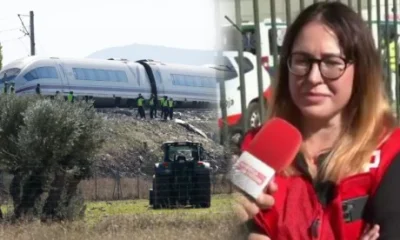
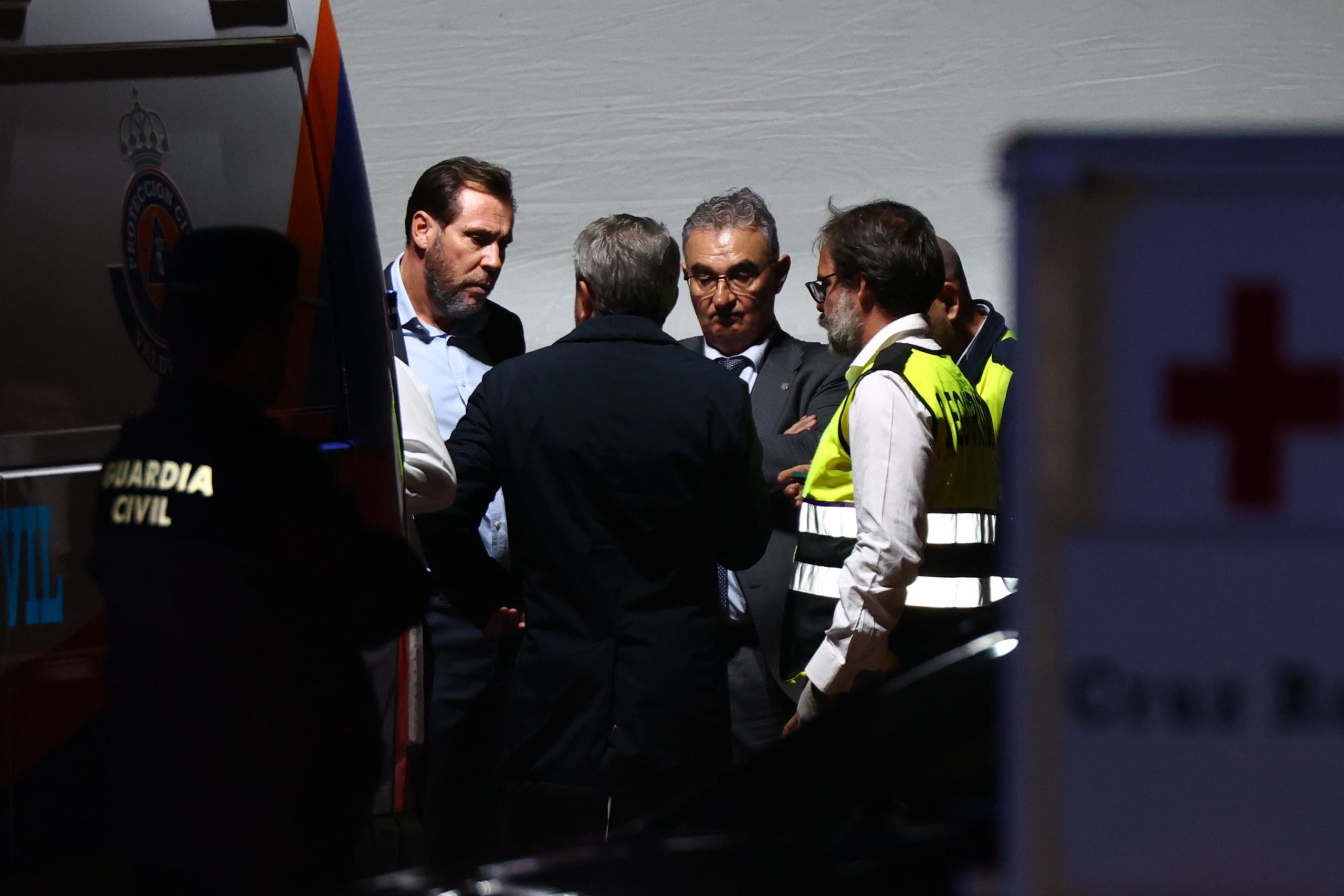
The train crash on Wednesday near Urda (Toledo), in which two high-speed trains collided, has once again placed the spotlight on the situation of train drivers and other rail workers, who have been in conflict for years with the public companies that operate Spain’s rail network. The driver of the Renfe AVE and a trainee who was accompanying him are among those who have not been located after the accident, according to the latest reports. The tragedy comes just nine months after the death of one of the drivers involved in the Adamuz rail crash in Córdoba, in which 46 people died; and after the death of a trainee driver in the collision at Gelida (Barcelona), which also occurred in January. The string of disasters in such a short period of time has reignited the discontent of a professional association comprising nearly 6,000 members, who object to workers being blamed before the investigations are complete.

“Human error? How can the minister say that?” protests Vicente Almenar, a driver and national head of operations for the railway sector at the UGT labor union, referring to explanations given by Transport Minister Óscar Puente. “Human errors occur when you don’t have the equipment you need to do your job,” he adds, audibly upset, on the other end of the phone. “Zero risk will never exist, but when you have the proper tools you reduce it as much as possible,” he stresses. “What he’s done is really unacceptable. He’s just shifting the blame outside his area of responsibility. The necessary investments haven’t been made here; there’s a shortage of staff, of experienced people…” he emphasizes. “All these statements do is create conflict.”

“We know from experience that throwing out conspiracy theories is useless; what matters are the data,” says Diego Rodríguez, national section chief for the CGT labor union at state-owned railway infrastructure manager Adif. “What we are all clear on is that we don’t know what happened,” he adds by phone. “We are totally shocked by what happened, and what we are looking for are the causes that led to this,” he says. The trade unionist also rejects hasty explanations at a time when not all the evidence has yet been gathered.

Still, Rodríguez uses the opportunity to spotlight what he sees as structural problems in the rail system. “We are not going to be taken for fools. There is a lack of staff everywhere, and there is no investment here,” he warns. The CGT representative draws a parallel with the Angrois accident in A Coruña, in which 80 people died in 2013 after an Alvia train derailed. “At that time all the responsibility fell on the driver and everyone else got off, even though there were earlier warnings that something was wrong,” he stresses. “The rail system as it stands is outrageous. We have to change it entirely because it makes no sense,” he concludes.

The Railway Traffic Union (SCF) also expressed dismay at another instance of blaming workers and rejects attempts to assign responsibility before all investigative conclusions are drawn. “It’s very easy to blame the last link in the chain. There are many details we still don’t know,” one of its representatives says. Although early reports point to a failure of the LZB signaling system, an automatic protection technology designed to prevent two trains from occupying the same point on the network, the union focuses attention on other factors related to the condition of the infrastructure. In particular, it points to the age of some of the computer equipment installed at the Atocha Regulation and Control Center (CRC) in Madrid. “It’s a disgrace that a facility like this still has equipment from the 1990s,” they say.

Strike action

The accidents in Adamuz and Urda, which occurred less than a year apart, represent the most dramatic aspect of the train operators’ grievances against Adif and Renfe. Against this backdrop of growing labor tensions, the group is called upon to participate in a one-day strike on Friday, October 30. The strike, which had been called before the accident occurred, will go ahead after Semaf, the largest union representing train drivers, confirmed its support for the action.

Once the scale of the tragedy was known, Semaf issued a statement calling for “prudence” until “all the facts are known in detail so as not to engage in speculation.” At the same time, the union sent a message to all sector workers: “We also want to inform all drivers and sector professionals that, regardless of tomorrow’s call, we are studying new actions and measures in defense of rail safety.” It then told its nearly 6,000 members that the strike scheduled for Friday will be maintained “in support of rail safety, as well as to demand fulfillment of commitments to achieve a structural change in safety.”

Sign up for our weekly newsletter to get more English-language news coverage from EL PAÍS USA Edition

Accidente trenes Urda

Accidente De Trenes En Toledo: última Hora En Directo | Sánchez: “La Confianza En La Alta Velocidad Está Quebrada, Hay Que Aportar Soluciones”

Published

on

By

accidente-de-trenes-en-toledo:-ultima-hora-en-directo-|-sanchez:-“la-confianza-en-la-alta-velocidad-esta-quebrada,-hay-que-aportar-soluciones”

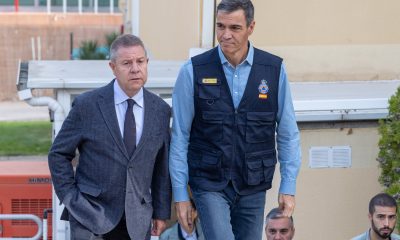
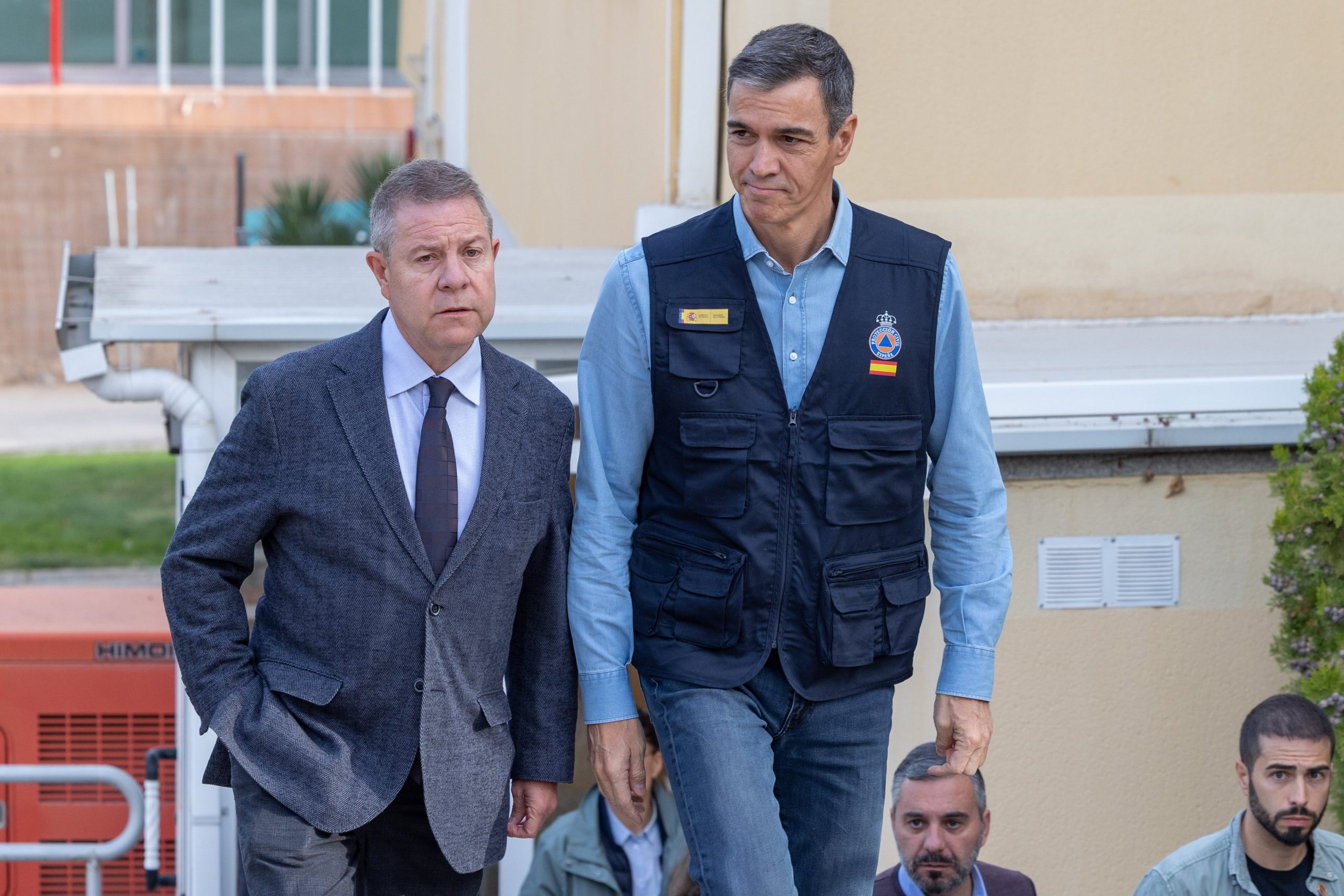
El presidente del Gobierno, Pedro Sánchez, ha admitido, tras participar en la reunión del Cecopi del accidente ferroviario de Urda (Toledo), que “la confianza en el sistema de alta velocidad está quebrada” y que ahora es labor del Gobierno no solo investigar las causas del sinistro sino “ofrecer soluciones para que una tragedia como esta no se repita”. Ha dicho que el Estado trabaja en ello. Junto a él, el presidente de Castilla-La Mancha, Emiliano García-Page, ha anunciado que se rebaja a 1 el nivel de emergencia, lo que significa la retirada de parte de los efectivos desplegados en el lugar del accidente, que han llegado a ser 1.300. Mientras, el PP carga las tintas contra el el ministro de Transportes, Óscar Puente. La portavoz del PP, Ester Muñoz, considera que si no dimite por el accidente, debería ser cesado. “No debería llegar al martes”, ha asegurado en una entrevista en RNE en referencia al día en el que Puente comparecerá en el Congreso a petición propia para explicar lo sucedido. “Hay que hablar de responsabilidades políticas porque este país está en shock, está herido y no es normal lo que está viviendo España”, ha añadido. Puente ofrecerá este viernes a las 11.30 en su Ministerio una rueda de prensa para informar de las investigaciones por el accidente.

Seguir leyendo

Continue Reading

Accidente trenes Urda

Accidente De Trenes En Toledo: última Hora Y Reacciones En Directo | Asciende A 69 El Número De Fallecidos En El Accidente Ferroviario De Urda
Published

on

By

accidente-de-trenes-en-toledo:-ultima-hora-y-reacciones-en-directo-|-asciende-a-69-el-numero-de-fallecidos-en-el-accidente-ferroviario-de-urda

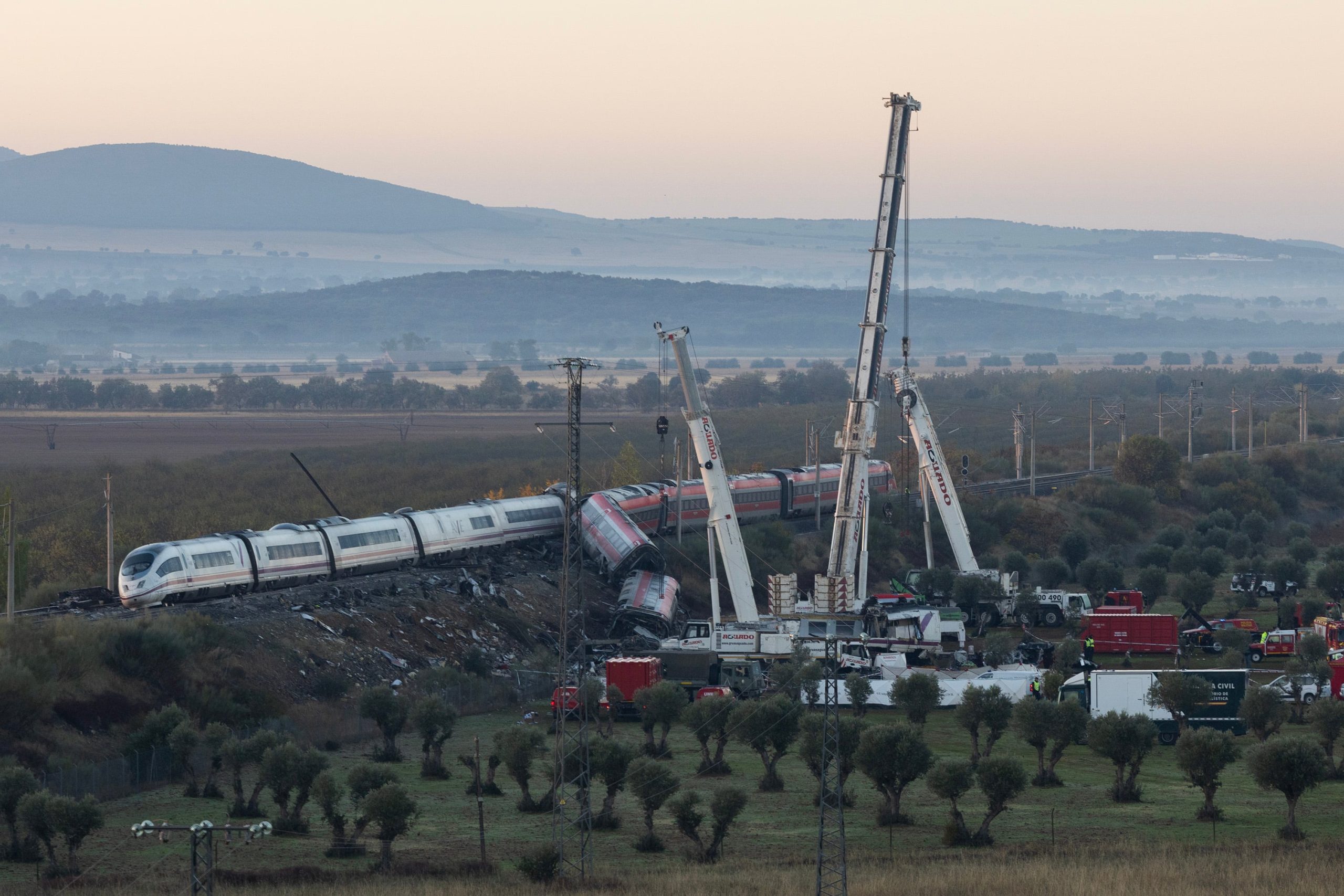
Los servicios de emergencia trabajan en el lugar del accidente en Urda (Toledo) este jueves.

El presidente de Castilla-La Mancha, Emiliano García-Page, ha informado este jueves de que se ha hallado un nuevo cadáver en el lugar del accidente ferroviario de Urda (Toledo), lo que eleva a 69 el número de fallecidos en la tragedia. Como consecuencia del accidente, alrededor de 200 personas resultaron heridas. De ellas, 53 continúan siendo atendidas en hospitales de Castilla-La Mancha, mientras que 56 han recibido ya el alta. El presidente del Gobierno, Pedro Sánchez, que se ha desplazado a Urda para participar en la reunión del Cecopi, ha asegurado que se “reforzará la seguridad” para que no vuelva a ocurrir una tragedia ferroviaria como esta. Los Reyes tienen previsto visitar a los heridos en el Hospital Universitario de Toledo a lo largo del día. En el plano político, el Frente Amplio ha anunciado que pedirá la comparecencia del ministro de Transportes, Óscar Puente, en el Congreso para que informe sobre los detalles del accidente. Por otro lado, el sindicato de maquinistas Semaf mantiene la huelga convocada en Renfe antes del accidente en defensa de la seguridad ferroviaria.

Seguir leyendo

Continue Reading

Accidente trenes Urda

La Comisión De Investigación De Accidentes Ferroviarios Pidió En 2024 Medidas Para “mitigar” Fallos Humanos Tras Un Incidente Similar Al De Urda
Published

on

By

la-comision-de-investigacion-de-accidentes-ferroviarios-pidio-en-2024-medidas-para-“mitigar”-fallos-humanos-tras-un-incidente-similar-al-de-urda

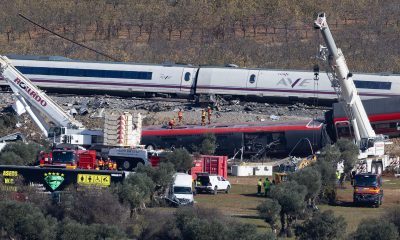
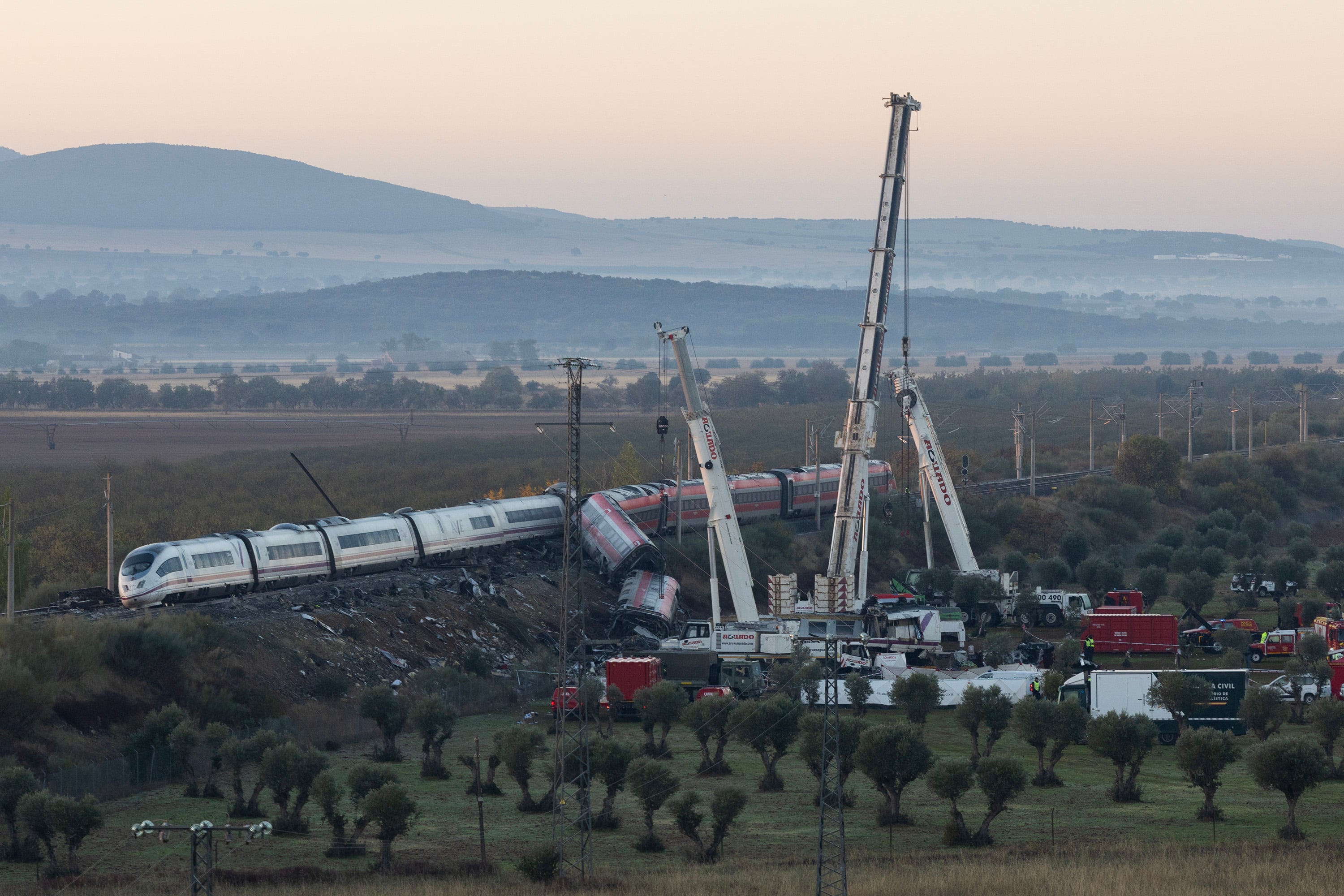
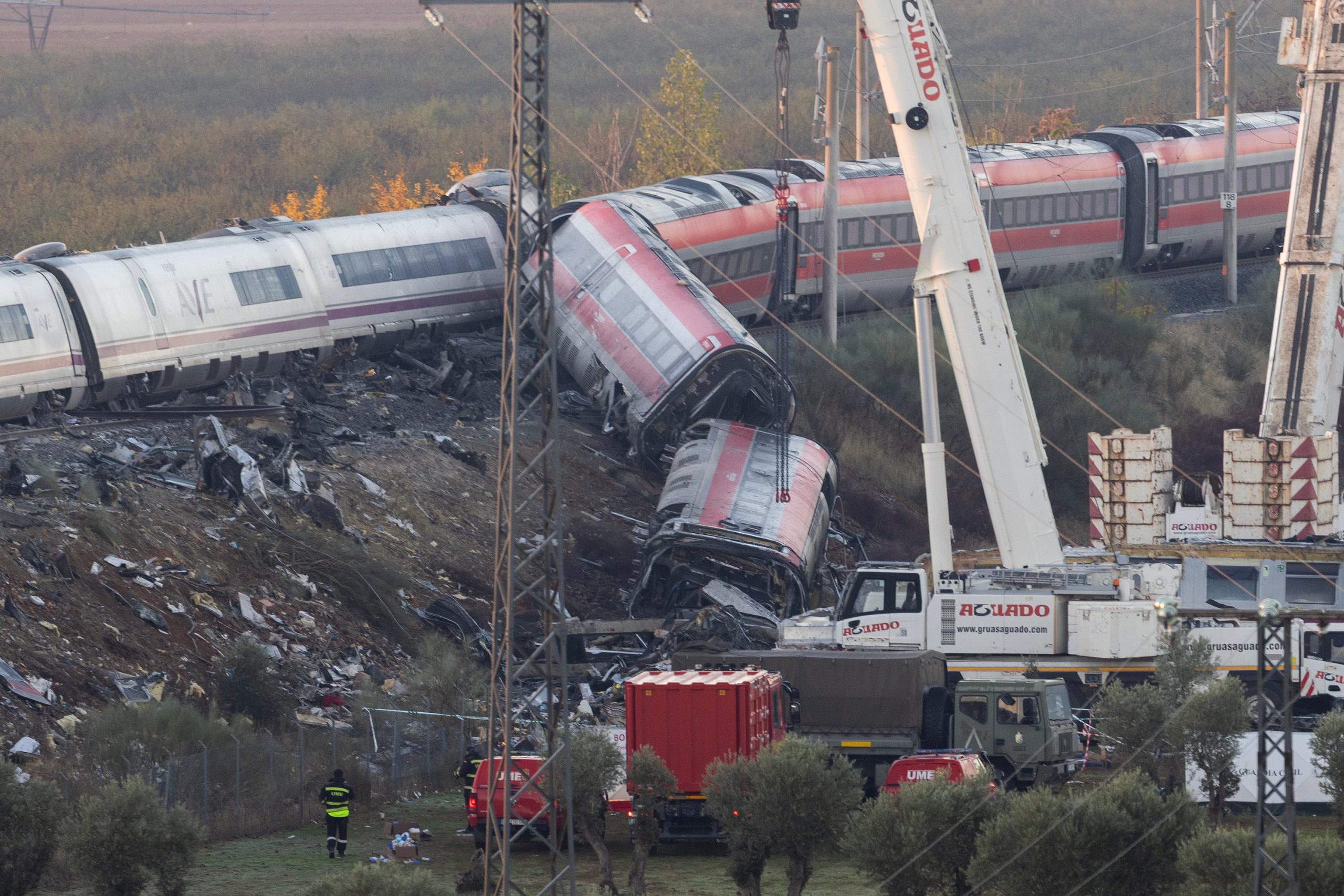
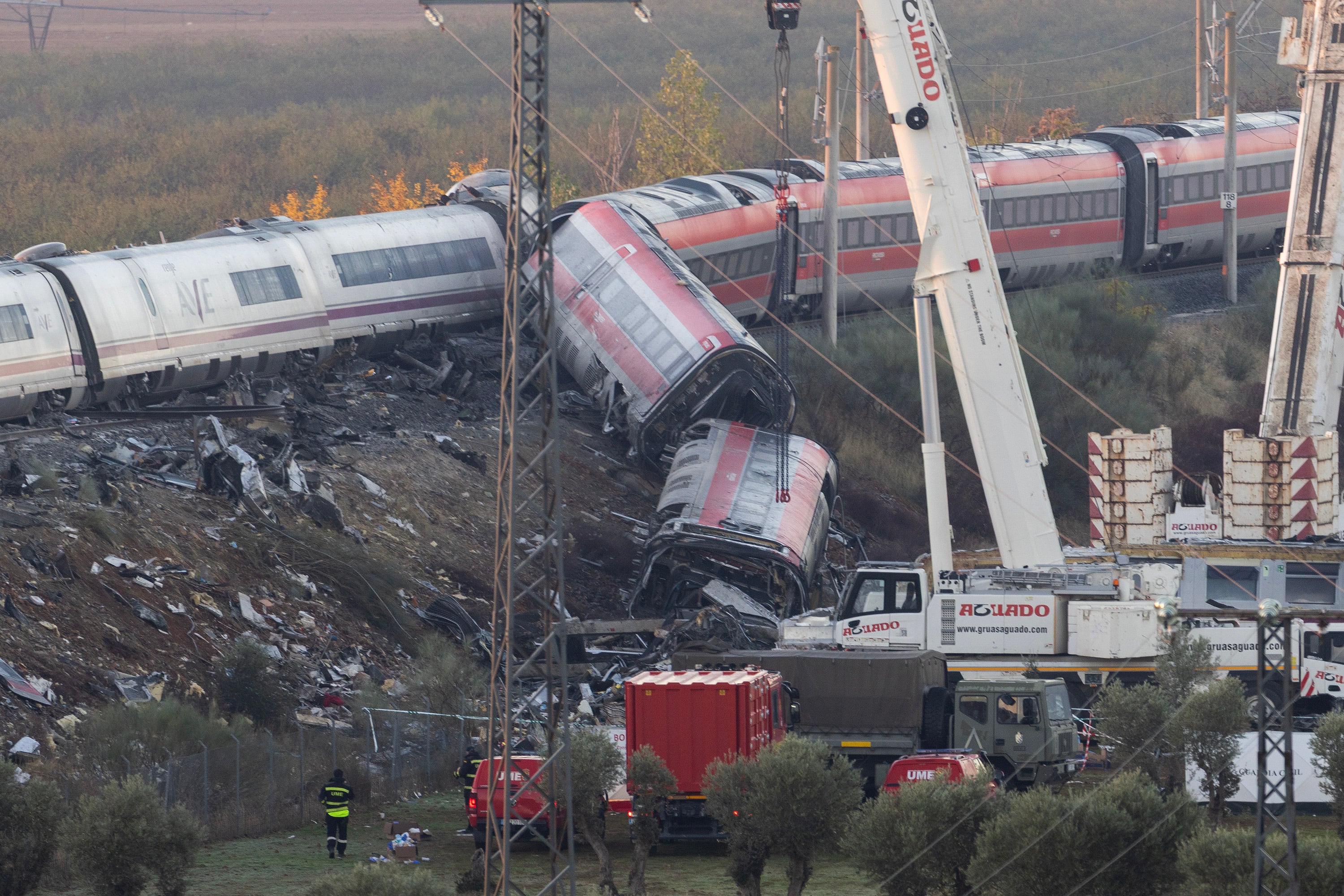
Servicios de emergencia junto a maquinaria pesada trabajan este jueves en el lugar del accidente ferroviario de Urda (Toledo).

La Comisión de Investigación de Accidentes Ferroviarios (CIAF) reclamó hace dos años la implementación de medidas técnicas “mitigadoras” para reducir el riesgo de un fallo humano, ante la importancia de este factor en ciertas situaciones de riesgo y la probabilidad de que una simple comprobación visual lleve a tomar decisiones incorrectas por parte de los técnicos y ferroviarios al mando de la circulación. La Comisión redactó el informe en el que se recogía esta advertencia, que ha sido adelantado por la Cadena SER, tras un incidente que tuvo lugar en la estación de Cuenca Fernando Zóbel. Aunque aquel suceso no tuvo mayores consecuencias, la situación que describe tiene similitudes con la del trágico accidente ocurrido este miércoles en Urda (Toledo), según se desprende del documento, que puede consultarse en la web del Ministerio de Transportes.
Seguir leyendo

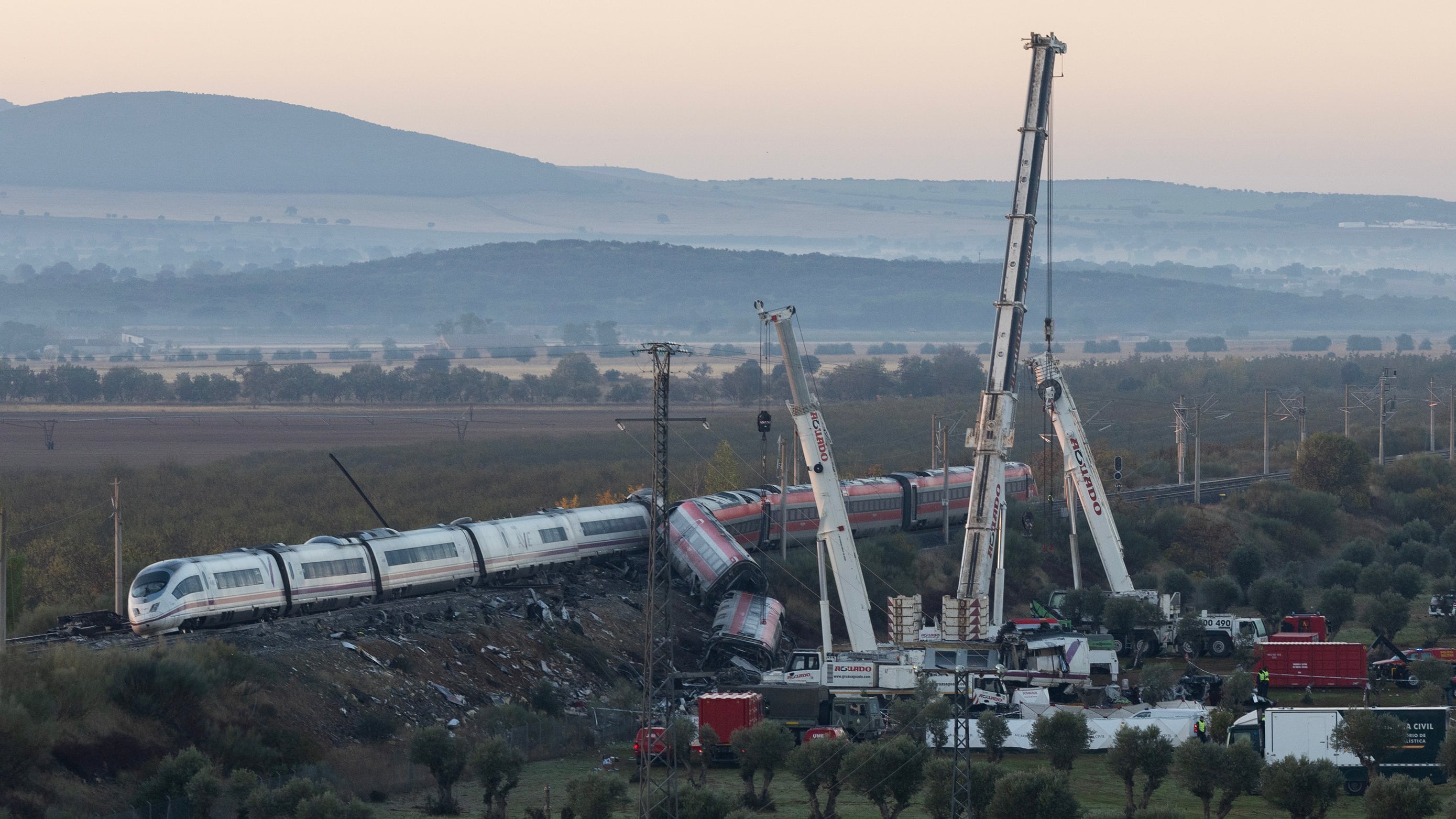
Retirada de los trenes siniestrados en la línea de alta velocidad Madrid-Andalucía, a la altura de Urda (Toledo), este jueves.

Continue Reading

Trending

Copyright © 2017 Spanish Property & News