
Donald Trump
Show Up Or Risk Deportation: The Dilemma Facing Dozens Of Migrant Families Summoned To A Texas Detention Center









Apec
Xi, Trump Y Putin, Tras La Cumbre De Shenzhen: “Una Guerra Nuclear No Se Puede Ganar Y Nunca Debe Librarse”

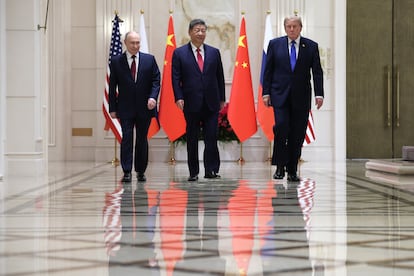
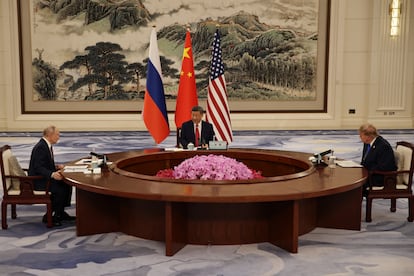
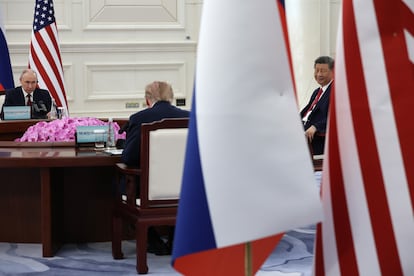
Xi Jinping pidió este jueves que las tres potencias nucleares den ejemplo en la defensa de la paz mundial, con Vladímir Putin a su derecha y Donald Trump a su izquierda. Entenderse es una “obligación ineludible”, afirmó el presidente chino al tiempo que proponía mantener contactos regulares al más alto nivel y crear un mecanismo trilateral para evitar crisis. Una fricción menor, advirtió, puede convertirse en un gran conflicto si los dirigentes dejan de hablarse.
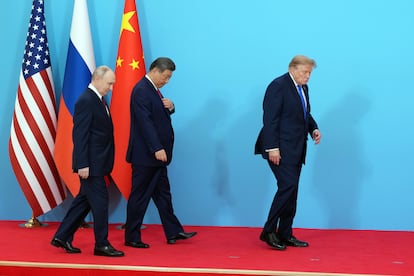
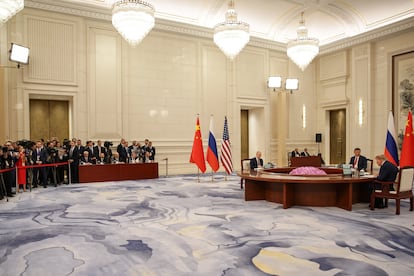
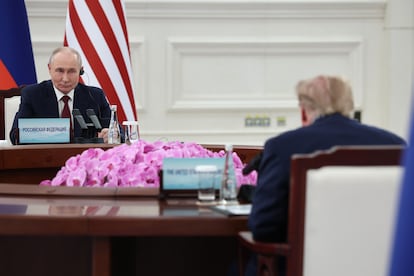
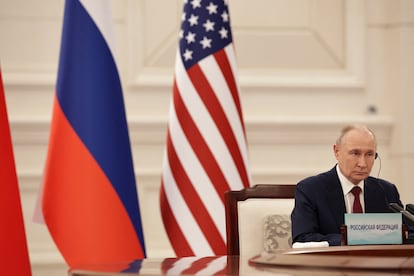
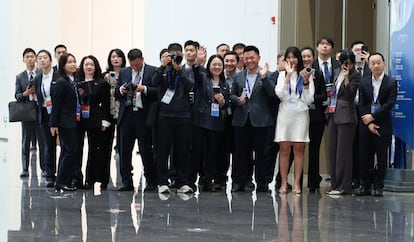
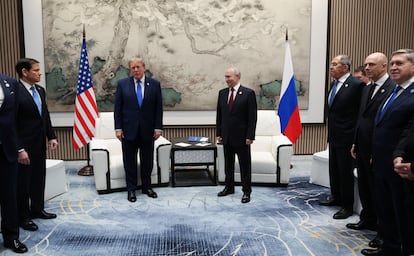
Los mandatarios de China, Estados Unidos y Rusia, que ya se habían reunido por separado, se han sentado esta vez a la misma mesa en una cumbre histórica, la primera a tres bandas entre los jefes de Estado de estas naciones. La reunión, que ha durado una hora y 20 minutos, se ha celebrado en los márgenes de la cumbre del Foro de Cooperación Económica Asia-Pacífico (APEC) en Shenzhen, completamente eclipsada por esta cita inédita.
“Cuando las grandes potencias viven en armonía, el mundo está en paz. Cuando se enfrentan, el mundo cae en el caos”, ha afirmado Xi en la ciudad meridional china. Según la lectura oficial del encuentro difundida por Pekín, los tres países se han comprometido a impulsar la reforma de la ONU y han acordado mantener un diálogo para reducir los riesgos nucleares y evitar la proliferación. “Una guerra nuclear no se puede ganar y nunca debe librarse”, se lee en el comunicado.
Pekín, Moscú y Washington prevén, siempre según la versión china, aumentar la producción y el suministro de combustibles fósiles y garantizar la estabilidad de los flujos energéticos. También reconocen la “importancia fundamental del principio del consentimiento de los Estados” y del “respeto a la inmunidad de la que gozan los funcionarios estatales”, y coinciden en que el Tribunal Penal Internacional y otros organismos similares “no deben abusar de su jurisdicción”.
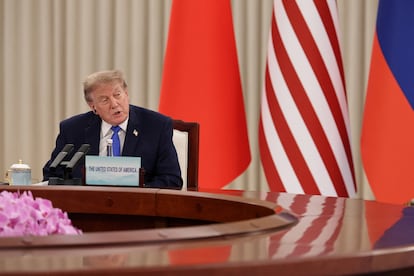
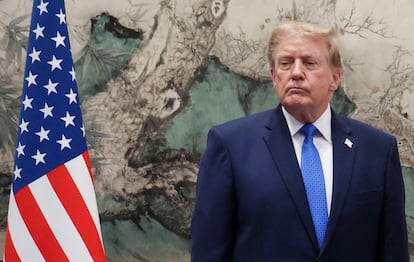
Para Trump, el hecho mismo de que los tres se hayan sentado a hablar es motivo de celebración: “Nunca se ha forjado la paz dejando pasar las oportunidades del diálogo. Estamos realmente haciendo historia”, ha declarado en los primeros minutos de la reunión. “Con la vieja práctica de negarse a hablar de los problemas, jamás se resolvió uno”.
La Casa Blanca ha calificado la reunión de “encuentro sin precedentes en la escena internacional”. El ministro de Exteriores chino, Wang Yi, ha afirmado que ha sido un hito “con repercusiones de gran alcance para las relaciones internacionales”. “Nadie esperaba que todo saliera tan bien”, le ha confiado un Putin exultante a su anfitrión al término de la reunión, según los medios rusos.
La gran incógnita era si la guerra en Ucrania figuraría en la agenda. Para el anfitrión, es un asunto delicado. Xi quiere preservar su estrecha relación con Moscú, mientras que los dirigentes europeos, con los que China mantiene importantes vínculos comerciales, le reclaman que ejerza su fuerza sobre Putin para que ponga fin a la guerra. A los líderes de Ucrania y la Unión Europea les preocupa que Trump alcance un acuerdo con Putin sin ni siquiera la presencia de Kiev en las negociaciones. En estos más de cuatro años y medio de conflicto, Pekín lo califica como una mera “crisis”.
Finalmente, la Casa Blanca ha incluido la cuestión, así como la reducción de los arsenales nucleares y la defensa de la soberanía nacional frente a lo que Trump ha llamado “organizaciones globalistas”, entre ellas el Tribunal Penal Internacional (TPI). “Está fuera de control”, ha dicho el estadounidense de ese órgano, al que acusa de “extralimitarse en sus competencias” y al que su Administración ha sometido a un intenso acoso.
El TPI ha dictado sendas órdenes de detención contra Putin, por la presunta deportación y traslado ilegal de menores ucranios, y contra el primer ministro israelí y aliado clave de Trump, Benjamín Netanyahu, por presuntos crímenes de guerra y lesa humanidad en Gaza.
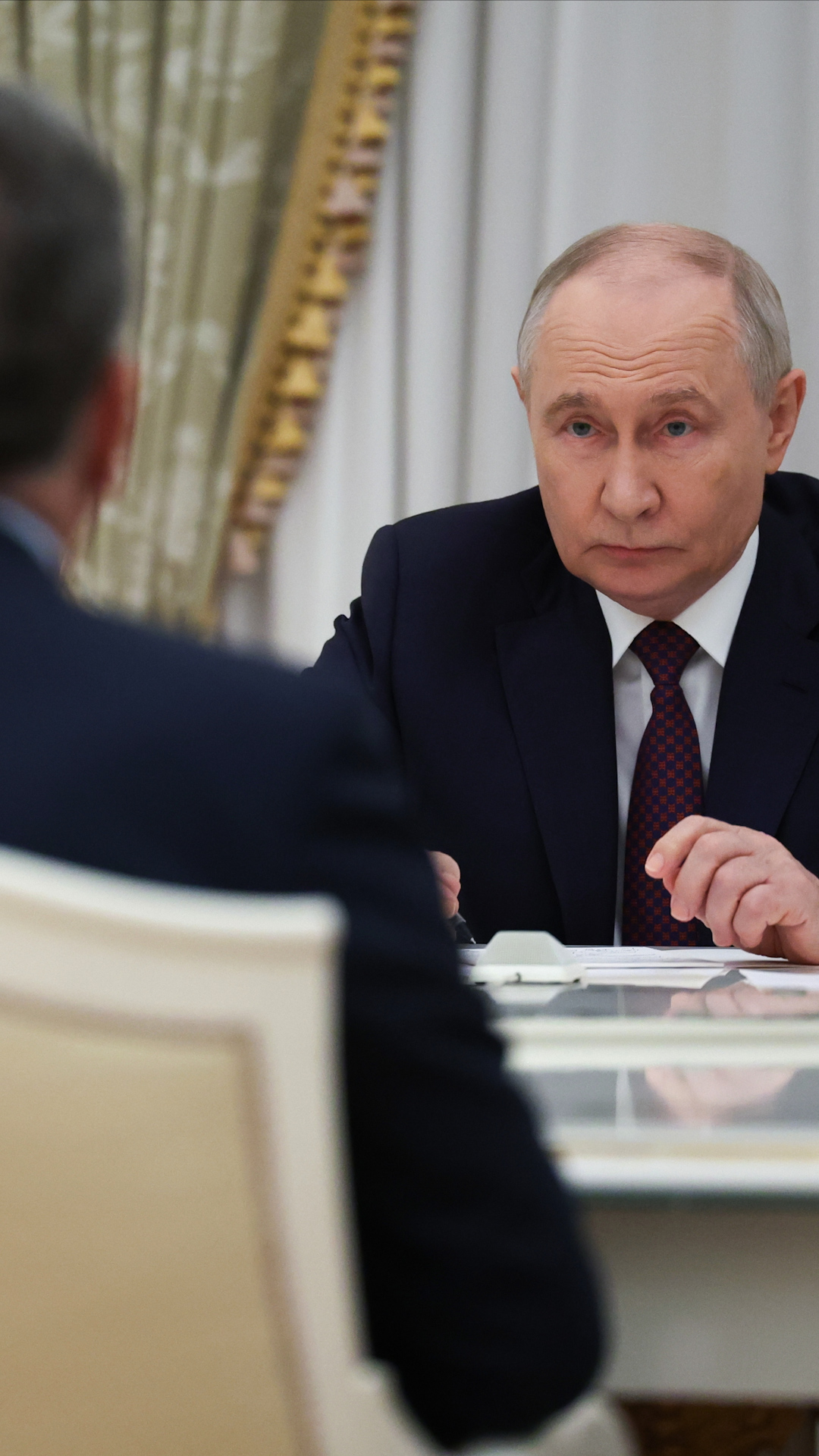
En declaraciones posteriores a la prensa, Putin ha calificado la reunión de “abierta” y “muy útil”, y ha afirmado que el presidente chino logró crear un clima que permitió a los tres dirigentes intercambiar puntos de vista con libertad. “Nos ha ayudado a entendernos mejor”, ha señalado. Sobre Ucrania, ha dicho que Kiev y Bruselas aún no están dispuestos a hacer concesiones para poner fin al conflicto. También ha asegurado haber enviado invitaciones a las capitales europeas, a través de canales diplomáticos, para que sus representantes viajen a Moscú para aclarar sus posiciones.
Xi ha sido el único de los tres que no ha mencionado a Ucrania en lo que ha trascendido de su intervención. Trump, por su parte, ha denominado el conflicto como “la guerra entre Rusia y Ucrania”, obviando el papel invasor de Moscú.
El dirigente estadounidense también ha aprovechado la cita para plantear a sus homólogos que debatan cómo reducir el número de armas nucleares y el riesgo de que lleguen a emplearse, y ha citado a Teherán al reclamar su cooperación para frenar la proliferación. “No vamos a dejar que Irán tenga un arma nuclear”, ha enfatizado. Tanto Rusia como China han aportado apoyo de diversa índole a la República Islámica durante el conflicto bélico que la enfrenta a EE UU e Israel, sea comprando petróleo o suministrándole material de doble uso. Xi ha recurrido a la imagen de una “espada de Damocles” que pende sobre la humanidad para defender ante Trump y Putin que “una guerra nuclear no se puede ganar y jamás debe librarse”.
Durante la reunión, Xi ha evocado la lucha de China, la Unión Soviética y EE UU contra el fascismo en la II Guerra Mundial para reclamar a las tres potencias que cooperen también hoy. Por su parte, Putin ha recordado el papel de los tres países en la fundación de Naciones Unidas y ha sostenido que comparten la responsabilidad de preservar la paz y defender los principios de la Carta de la ONU.
“¿Qué tuvo de malo Yalta?”, ha preguntado Putin a la prensa. “En Yalta quedó consagrada la victoria sobre el nazismo… no me importaría que se consagrara también una victoria sobre el neonazismo. De hecho, me parecería lo correcto”, ha zanjado. “En Yalta nadie se repartió el mundo. Allí simplemente se dejó constancia de la realidad que había surgido tras la II Guerra Mundial. Y en los conflictos actuales, habrá que aceptar la realidad sobre el terreno”, ha afirmado Putin, en lo que parece una alusión velada a Ucrania. “Gracias a aquellos acuerdos [que alumbraron la ONU], el mundo ha vivido sin grandes convulsiones mundiales. Ha habido muchos conflictos regionales, sí, pero ninguno de alcance mundial”, prosiguió.
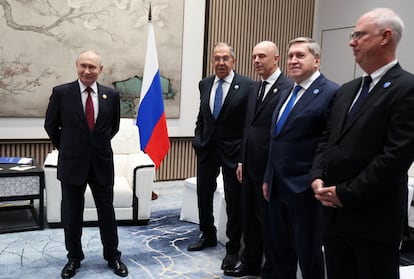
El escenario elegido para esta cumbre en los márgenes de la APEC es la villa de Kylin, en el noroeste de Shenzhen. Xi los ha recibido en un amplio salón presidido por una gran mesa redonda, en la que han estado sentados a solas; las respectivas delegaciones han seguido la conversación a cierta distancia. Detrás de Xi, una gigantesca pintura tradicional decoraba la estancia. En ella aparecía la Gran Muralla china entre un paisaje de montañas, pinos y nubes. En su cultura, las montañas simbolizan la estabilidad, los pinos se consideran una forma de dar la bienvenida a los invitados y representan la longevidad, y la Gran Muralla alude a la fuerza nacional.
La villa Kylin es un complejo de cinco estrellas que las autoridades locales utilizan desde 1997 para recibir a dirigentes chinos y extranjeros, una función similar a la de Diaoyutai en Pekín. Sus edificios de estilo europeo se reparten entre jardines, cerca de el embalse de Xili, del zoológico de la ciudad y de un campo de golf. Para el presidente chino, tiene un significado especial: allí pasó parte de sus últimos meses de vida su padre, el revolucionario Xi Zhongxun. Según cuenta su biografía oficial, publicada en 2013 y escrita por historiadores del Partido Comunista, Xi Zhongxun frecuentaba esta villa para descansar y pasear por recomendación de sus médicos tras ser diagnosticado de cáncer.
01:02
Putin y Trump abordan el conflicto en Ucrania, según el Kremlin
Shezhen, símbolo de apertura
Para Xi, haber conseguido que Trump y Putin acepten esa cita ya es un éxito diplomático en sí. Durante décadas, Washington y sus aliados occidentales marcaron en gran medida las reglas del orden internacional. Esta vez, es China la que reúne a los presidentes de EE UU y de Rusia, y lo hace en Shenzhen, la ciudad que simboliza su apertura económica y donde hoy circulan coches autónomos por sus calles y drones reparten pedidos. Al convocar a ambos dirigentes en el marco de un foro económico, Xi busca mostrar que el ascenso comercial y tecnológico de su país le ha dado también mayor peso en la política mundial.
“[Es] una imagen impactante de un orden que gira en torno a China, una suerte de G-3 presidido por Xi”, escribe Julian Gewirtz, exdirector para China del Consejo de Seguridad Nacional de EE UU durante la Administración de Joe Biden. “Este triángulo no tiene nada de equilátero. Xi se ha situado en el vértice superior”.
Antes de la reunión a tres bandas, los presidentes de la primera y segunda economía del planeta habían tratado su propia relación bilateral. En ese encuentro, Trump aseguró que coinciden en que el petróleo debe volver a circular por el estrecho de Ormuz, sobre el que hoy pesa un doble bloqueo: estadounidense e iraní.
Xi, por su parte, ha pedido a Trump que EE UU “siga haciendo lo correcto” respecto a la cuestión de Taiwán para evitar “grandes reveses” en la relación entre Pekín y Washington, la cual, ha reconocido, se ha mantenido estable y ha mejorado. Según la versión de Pekín, Trump ha respondido que EE UU no apoya la independencia de la isla, que está gobernada democráticamente y que China reclama como parte irrenunciable de su territorio. Es la tercera reunión bilateral entre ambos mandatarios este año, tras las de Pekín, en mayo, y Washington, en septiembre. Trump ha puesto el acento en el trato personal que mantienen: “El presidente Xi y yo hemos forjado una relación personal extraordinaria. De verdad. A algunos les disgusta oírlo, pero yo estoy muy contento”.
En el terreno comercial, Trump ha pedido “que haga algo más por nuestros agricultores, porque China tiene un apetito insaciable”. El comunicado chino señala que Xi ha pedido más diálogo para resolver las diferencias comerciales. La tregua pactada entre ambos países expira el próximo 10 de enero.
“Putin es mi amigo”
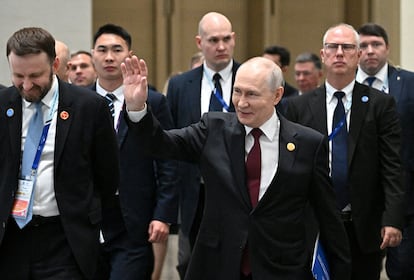
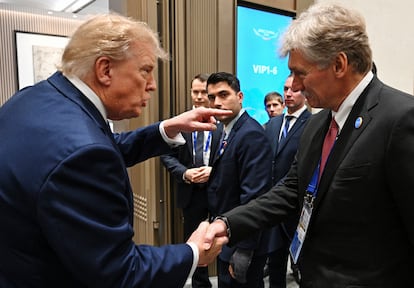
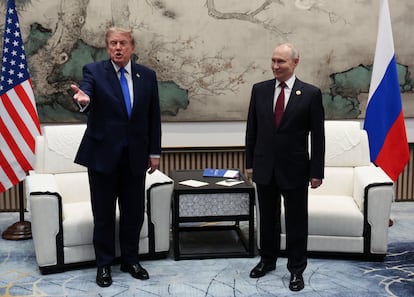
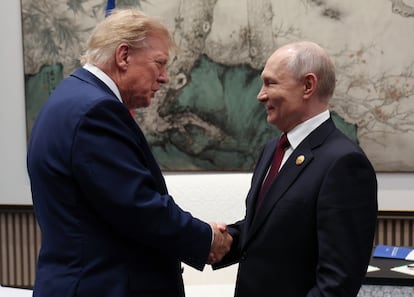
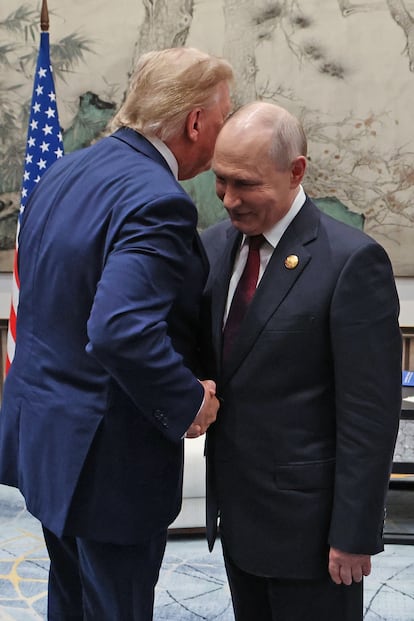
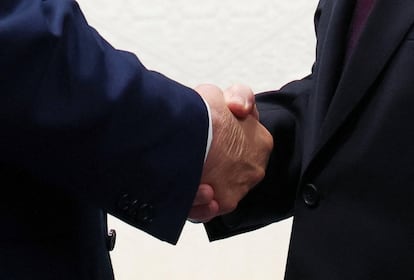
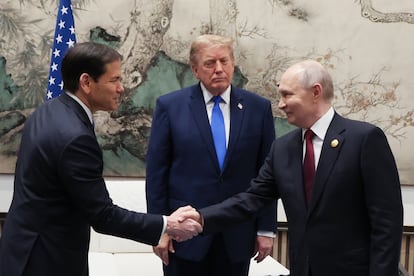
Trump se había visto previamente durante 40 minutos con Putin, al final de la reunión plenaria de los líderes del APEC. “¿Quién es?… Es mi amigo”, bromeó el republicano antes de estrecharle la mano, darle una palmada en la espalda e inclinarse para susurrarle algo al oído. Putin sonreía.
Ambos ya se habían saludado la víspera en presencia del anfitrión de la cumbre, poco antes del gran banquete de bienvenida en el que estuvieron presentes los representantes de los países que conforman el foro. Era la primera vez que ambos mantenían un encuentro personal desde su cita en Alaska, en agosto del pasado año.

Spain’s Hard-Left Candidate Proposes Seizing 100,000 Homes From Vulture Funds

Colombia To Put Down 10 Of Pablo Escobar’s Hippos Under New Control Plan

Spanish Cheese Finally Recognised Alongside Swiss And French At World Cheese Awards With Three Winning Varieties


-

 New Developments3 weeks ago
Luxury Villas For Sale, Estepona – ProjectL1
-

 New Developments2 weeks ago
The San Roque Club – Townhouses For Sale
-
Age Concern Marbella - San Pedro3 weeks ago
Halloween lunch sells out as 51 join Marbella get-together
-

 New Developments3 weeks ago
How To Get A Tourist Rental Licence In Andalusia (Spain) – Step-By-Step Guide 2025
-
 %3 weeks ago
Spain Orders Replacement Of Eight Million Gas Meters: New Rules, Costs And Deadlines
-
Barcelona riots4 weeks ago
Looting and street violence hit Barcelona as El Corte Inglés customers are trapped
-

 New Developments4 weeks ago
Inside The Most LUXURIOUS Apartment Building In Spain!
-
countryside3 weeks ago
Rural revival: Five Almeria villages make moving inland easier and more enticing