
affordable housing
Spain faces major 24-hour general strike this autumn — how it could affect you

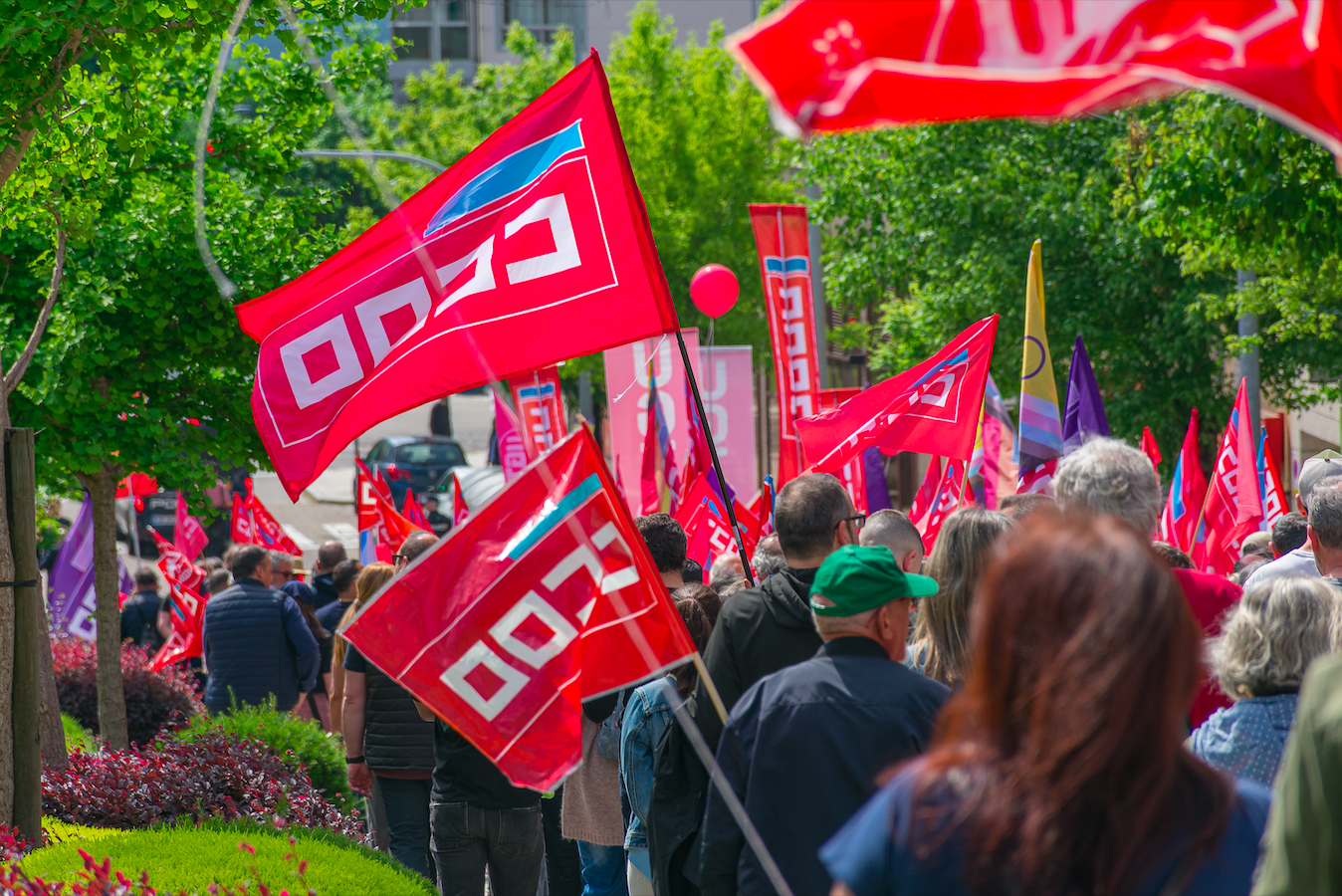
UGT and CCOO say wages are not keeping pace with the cost of housing and inflation. Photo credit: Uvamen/Shutterstock
If your salary is already disappearing into rent, mortgage payments, bills and food before the month is over, the latest announcement from Spain’s two biggest unions is likely to get your attention. UGT and CCOO have agreed to call a 24-hour general strike this autumn, arguing that wages are no longer enough to give people access to decent housing.
The exact date has not yet been announced, so there is no need to change your plans just yet. However, the proposed stoppage could affect working days, public transport, schools and other services across Spain when it goes ahead, with the unions now working with the Sindicato de Inquilinas (tenants union) and other social organisations on the timing and mobilisation.
Why are UGT and CCOO calling a general strike?
The unions are linking two problems that increasingly collide in everyday life: what people earn and what they have to pay for somewhere to live. UGT and CCOO say wages are not keeping pace with the cost of housing and inflation, leaving workers unable to afford suitable accommodation despite being in employment. Their demand is therefore not simply for lower rents. They want salaries that allow people to pay for a home without being pushed into financial difficulty.
The decision follows the rejection in Congress of housing measures backed by the unions last Friday. It also comes after major demonstrations over Spain’s housing crisis, with protesters demanding action on rents, the supply of affordable homes and protection for people struggling to remain in their homes. For the unions, the workplace is part of that argument. CCOO leader Unai Sordo has said housing costs are closely linked to wages and collective bargaining, arguing that workers cannot negotiate better living conditions if their earnings remain squeezed.
What will the strike actually mean for you?
If you are employed in Spain, the first thing to know is that you will not automatically be required to strike. Taking part in a lawful strike is a worker’s right, while employees who choose to work are also protected from being forced to join it. However, striking means your employment contract is suspended for the duration of the stoppage and you do not receive your normal salary for that period. That means anyone considering joining the 24-hour stoppage will need to weigh the lost day’s pay against supporting the unions’ demands.
The impact could be much more noticeable outside individual workplaces. A general strike can affect transport, schools, public services, deliveries, shops and other businesses depending on how many workers participate and which sectors are affected. Public services will not simply shut down. Where services are considered essential, minimum services can be imposed so that certain activity continues during a strike. The precise arrangements for this particular stoppage will only become clear once the date and official minimum-service requirements are established.
What should you be prepared for?
At this stage, don’t start rearranging your life around a strike date, because there isn’t one yet. Once the date is announced, workers should check with their employer about how their workplace will operate and whether any particular arrangements apply. If you rely on trains, buses, metro services or flights, check the operator’s information before travelling rather than assuming your normal service will run.
Parents should also watch for information from schools and local authorities, particularly if they normally rely on public transport for the school run. Anyone with an appointment, journey or other time-sensitive commitment should allow extra time and check for cancellations or reduced services closer to the day.
The same applies to businesses. A company does not necessarily have to close because a general strike has been called, but staffing levels can affect opening hours and the services it can provide. The unions have not yet completed the final procedural step either. The agreement announced on October 5 still has to be ratified by the highest governing bodies of UGT and CCOO.
When will Spain’s general strike happen?
UGT and CCOO say the date will be agreed alongside the Sindicato de Inquilinas and other social organisations. UGT general secretary Pepe Álvarez has also said the strike will not be held during the election campaign. Spain is due to hold a snap election on November 29, adding another significant deadline to the autumn calendar.
The planned stoppage would be the first general strike backed by both UGT and CCOO since 2012, making it a significant national mobilisation rather than an isolated dispute involving one industry or group of employees. For millions of people already struggling to make a salary stretch far enough to cover a roof over their heads, the argument behind the strike is about something considerably more basic than a day’s disruption: whether having a job in Spain is enough to afford somewhere to live.






F1 star swaps four wheels for two on mammoth 350km Singapore ride
Spain faces major 24-hour general strike this autumn — how it could affect you
Why the rain opened a hole in front of Granollers’ courts


-

 Uncategorized2 weeks ago
F1 Qualifying Today: Azerbaijan Grand Prix schedule, times and TV channel
-

 %2 weeks ago
Is Your Supermarket Kefir Really Kefir? Spanish Study Raises A Surprising Question
-
Latest2 weeks ago
‘It’s The Law Of The Jungle’: Pensioner’s Eviction Exposes Spain’s Housing Crisis
-
Barter system2 weeks ago
British drug dealer swaps cocaine for Pokémon cards in bizarre barter deal
-

 Uncategorized6 days ago
F1 Bahrain Grand Prix will be live and FREE on TV this weekend
-
Balearic Islands2 weeks ago
Tourists driving to Menorca could soon need a permit and pay to bring their car
-

 Cody Gakpo2 weeks ago
Xavi Y Klopp Se Reparten Puntos En Su Debut Como Seleccionadores
-

 Argentina2 weeks ago
Mexico Joins Latin American Crackdown On Cellphones In Schools