
China
The Chinese Women Writing Gay Love Stories: How ‘danmei’ Became A Global Phenomenon Despite Censorship

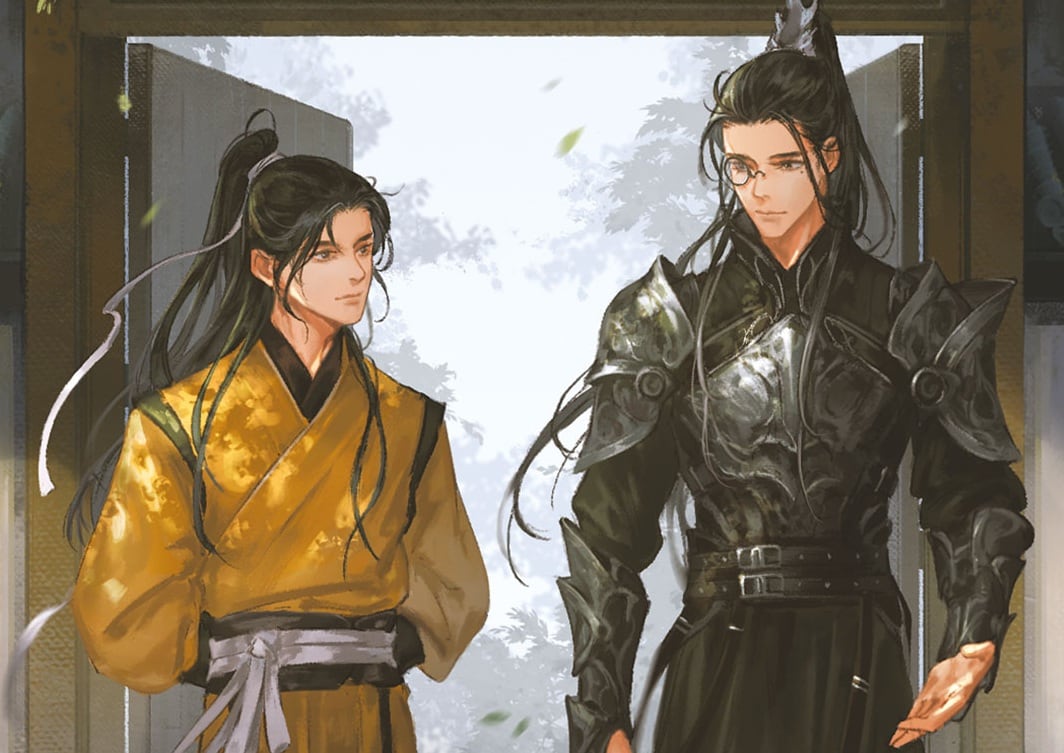
In China, stories about romantic relationships between two men are written and consumed primarily by women. Their popularity has grown steadily, extending well beyond China to Europe and the United States. The literary genre known as danmei (roughly, “addicted to beauty”) has flourished over the past decade on the country’s digital platforms and has fueled a thriving industry of screen adaptations.
It has also attracted the attention of censors. Authorities have detained and fined authors, most of whom publish under pseudonyms. Even so, these novels have found readers abroad, first through fan translations circulated online and later through commercial editions.
“To explain it, I usually say they are very diverse novels whose common denominator is a romance between two men,” says Ona Pujol, who heads the dedicated danmei imprint launched by Spanish publisher Norma in 2024. The publisher now releases two new titles a month.
The roots of danmei can be traced to manga about romantic relationships between male characters that Japanese women began publishing for teenage girls in the 1970s. Those stories helped give rise to what is now known as the Boys’ Love (BL) genre. Its spread to China in the 1990s, following the country’s period of economic opening, and the subsequent expansion of the internet enabled local fans to begin writing and sharing stories of their own.
Xu Ren, a 25-year-old author who prefers to use a pseudonym, began as a reader of fan fiction centered on South Korean K-pop idols. When she reached university, she decided to try her hand at writing her own novel, “one of those fairly clichéd toxic-love stories,” she admits. But it was enough to secure a contract with an online platform and start earning some money, which in turn gave her the freedom to experiment with more original plots.

In China, danmei has absorbed the worlds and conventions of popular domestic literature: martial-arts adventures, intrigues set in imperial courts, and Taoist-inspired fantasy, where characters seek immortality through practices of spiritual cultivation. But the genre also encompasses crime fiction and stories set in schools.
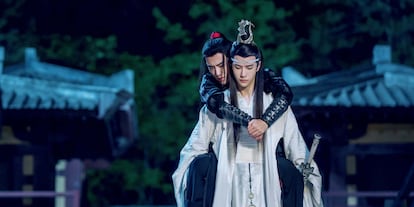
“It spans every genre,” says Pujol. “And many formats. They often start as long novel sagas, but have begun to be adapted into manhua, the Chinese manga, into animated or live-action series, and even into audio dramas, with CDs that offer extra chapters.”
Norma’s own catalogue illustrates that diversity: contemporary adult thrillers such as Silent Reading by Priest; slice-of-life stories such as Antidote by Wu Zhe; or the historical fantasy drama Grandmaster of Demonic Cultivation by Mo Xiang Tong Xiu, the bestselling author whose work, according to Pujol, helped put the phenomenon on the global map.
Readers, most of them women between 18 and 40 years old, can find everything from explicit sex scenes to more understated romances, stories driven by humor or melancholy, and books that are often produced with great care, in keeping with the idea of “indulgence in beauty.”
Pujol, however, points to one important difference: “It’s not like the romance fiction we’re used to. There’s a lot of yearning — that is, a long build-up. The two end up together, but first they go through a whole journey to get there.”

The serialized nature of publication has fostered a close relationship between authors and readers. Yu, a 26-year-old fan, participates in a community on Weibo (similar to X, which is censored in China) dedicated to one particular writer: members discuss plotlines, share illustrations and fan fiction based on the original work, and celebrate when a story performs well in the platform’s rankings. “We think [the author] is very capable and we’d like to be like her,” she says.
Yu has watched danmei evolve over the 13 years she has been reading it. She recalls that the stories she consumed as a teenager “were very melodramatic,” marked by forbidden love and the suffering of their protagonists. Although same-sex marriage is not legal in China and the authorities have tightened restrictions on LGBTQ+ activism and support networks, Yu believes homosexuality is becoming more accepted among younger generations. In her view, that shift has also influenced these novels: “Many works have become stories in which the two protagonists simply happen to be men. Their relationship develops in a healthy way, and the most important thing is that the plot is compelling.”
Qi Zhang, an academic specializing in danmei and its reader communities, argues that the genre “is necessarily rooted in female imagination and female reading practices,” although it also includes male authors and readers. At the same time, anonymity makes it impossible to know with certainty who is really behind most of the names that appear on book covers. The situation is even less transparent given that publishers such as Norma have no direct relationship with the authors themselves, managing their releases through a Taiwanese rights agency. The partnership began when another editor at the Spanish publishing house, Óscar Valiente, got in touch years ago, acting on a hunch: “This is going to be huge.”
Qi also challenges the common assumption that danmei readers are predominantly heterosexual women. “Queer people make up a fairly significant sector of the danmei reading community,” she notes.
The researcher also disputes the idea that the genre exists solely as a realm of fantasy and escapism. Instead, she sees “a very strong desire to engage with real-life issues.” “Given that China does not have a solid tradition of queer writing, many danmei works have deliberately taken on the task of realistically portraying the difficulties faced by this community,” she adds.
For novelist Xu Ren, writing danmei over the years has raised questions about the place of women in her stories. “I wondered whether I was somehow giving up my right to write about women,” she says.
She recalls an episode in which readers criticized her for giving an unusually prominent role to a female character, one who competed with the protagonists and faced prejudice against women athletes. Looking back, Xu believes that conflict interrupted the sense of escapism her readers were seeking. She understands their reaction, though she is uncomfortable with the idea that authors must justify their creative choices.
“If we turn everything into an ideological issue and start labeling and condemning authors, I think we could end up harming women’s literary creativity even more,” she argues.
Censorship has also shaped the evolution of the genre. Qi Zhang points to the government’s 2014 anti-pornography campaign as a turning point. The platform Jinjiang renamed its danmei section chun’ai (“pure love”) and restricted sexual content. According to the researcher, these revised versions and new labels have made the works easier to circulate.
Yet the pressure has not disappeared. In 2024, more than 50 people publishing on Haitang, an erotic-fiction platform hosted in Taiwan, were detained or fined by police, according to reports from their lawyers at the time. The most high-profile case was that of Yun Jian, who was sentenced to four and a half years in prison for publishing works deemed obscene. She had earned about 1.85 million yuan ($274,700) from 37 novels.
In 2025, Reuters documented another wave of arrests of dozens of writers who used the same platform. The operations were carried out under regulations prohibiting the production and distribution of material deemed obscene; some of those investigated had earned only a few thousand yuan.
The reports have led Xu to avoid printing and selling her work through unofficial channels and to reconsider where she publishes. She hopes to pursue a career in education and fears that if her identity as an author were exposed (the pseudonym she uses for this interview is not the one she publishes under), her professional future could be jeopardized. She currently lives outside China and has even considered not returning if that connection were ever established.
“I’m very worried that my activity as a writer could destabilize and bring down the order I’ve built in my personal life,” she admits.
That mistrust extends even to her relationships with other creators: “We all have some fear that someone could betray us.”
Sign up for our weekly newsletter to get more English-language news coverage from EL PAÍS USA Edition

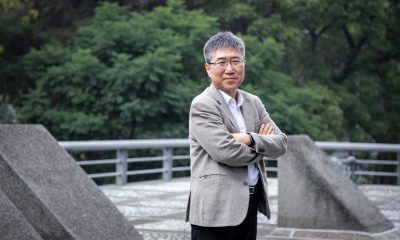





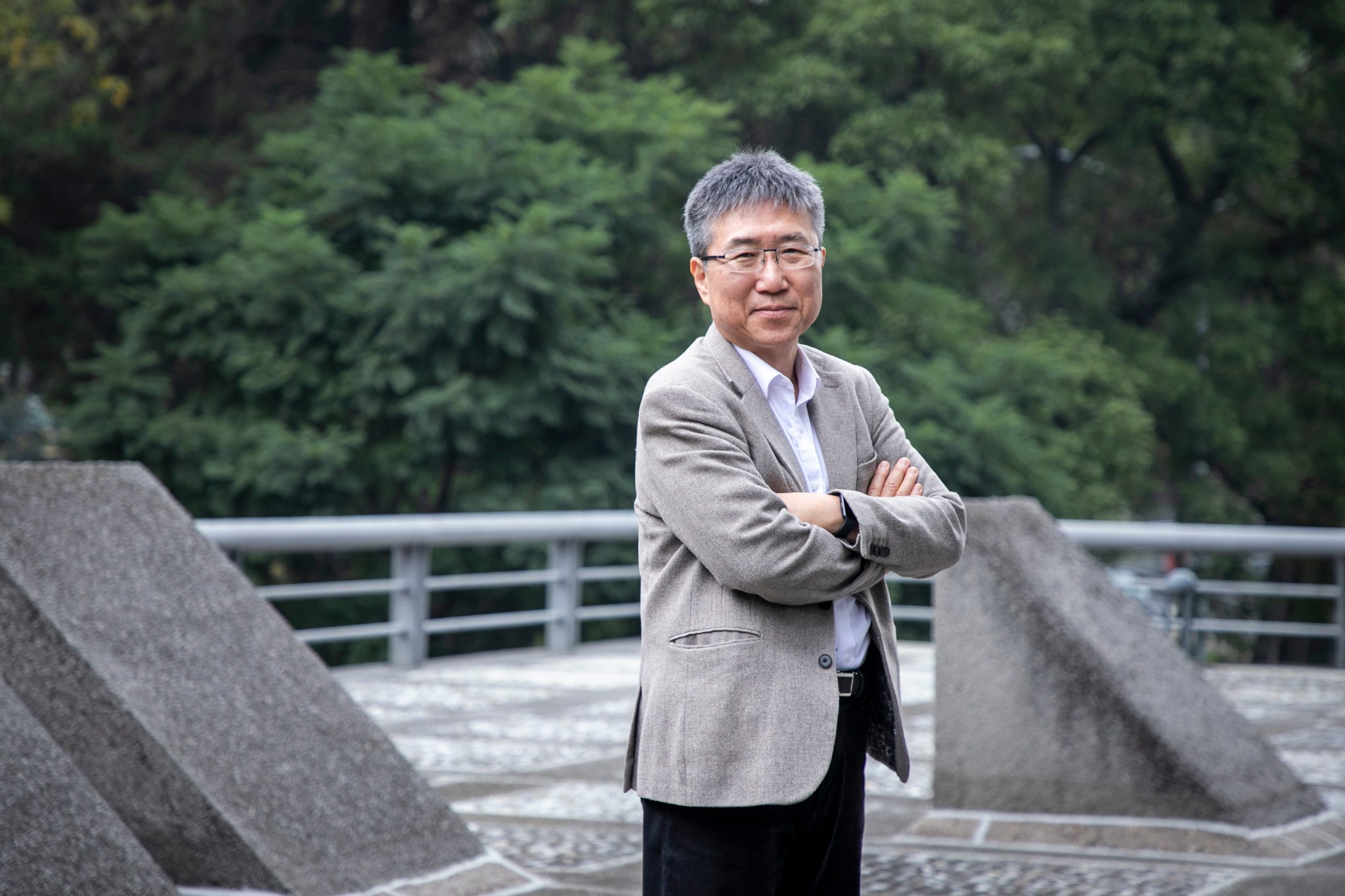
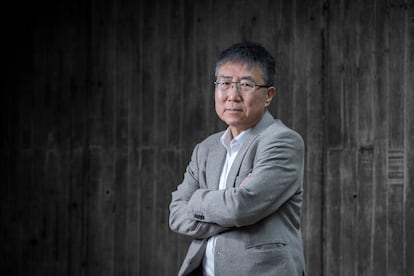
The interest in hearing the ideas of Ha-Joon Chang, 63, was evident as the auditorium of the School of Economics at the National Autonomous University of Mexico (UNAM) filled up. The Korean economist, who has a long career in British academia and is a professor at the School of Oriental and African Studies at the University of London, traveled to Mexico to speak about the global economic crossroads and the need to tighten industrial policy in developing countries. Students knew his reputation as a heterodox thinker and were eager for less conventional ideas.
Chang’s bibliography includes the bestseller 23 Things They Don’t Tell You About Capitalism, a book that challenged classical schools of economics more than a decade ago and sought to demystify neoliberalism. In his latest book, Edible Economics: A Hungry Economist Explains the World, he declares himself a fan of Mexican chocolate and says that whenever he visits the country he always eats at least one plate of chicken in mole poblano, one of his favorite dishes of Mexican cuisine. Chang has visited Mexico more than a dozen times, he tells EL PAÍS in an interview, and has studied its evolution since it entered free trade more than 30 years ago.
Question. Your talks in Mexico focus on the role of the state in countries’ growth. What is your position on this?
Answer. I have been a longtime advocate for a more active role of the state in economic development. When I began my research as a graduate student in the late 1980s, that was a very unpopular view. But if you look at the economic history of capitalism, there’s really no country that has become rich on the basis of free trade and free market policy alone. We were told that the reason Britain became the first global empire and the United States became so prosperous was their free-trade and free-market policies. But I have shown in many of my works, especially in my book titled Kicking Away the Ladder, that rich countries used all kinds of interventionist policies: trade protection subsidies, regulation of foreign investment that included things like local content requirements, obligations that foreign companies hiring in their country employ local workers or invest in research and development. They developed their economies on the basis of these policies and, after getting rich, said ‘let’s all have free trade and free markets.’ Which, at that point, benefits them, because it means others will open their markets to their exports while they put restrictions on what other countries can do. It’s like someone who uses a ladder to climb to the top and then kicks it away so others can’t follow.Q. That seems to be the case between Mexico and the United States.
A. Yes, absolutely.
Q. What can Mexico do, immersed in a free trade agreement that it keeps renegotiating with the United States?
A. Free trade between countries with similar development levels is good because they stimulate each other, but when it’s between rich and poor countries, trade benefits the rich countries much more than the poor countries. If you have free trade between two countries with very different technological levels, it means the poorer country cannot develop its own enterprises. When Mexico signed NAFTA in 1995, it was basically signing a promise that its level of technology and businesses would remain frozen. There could be some incremental development, but it wasn’t going to develop an entire domestic computing or automotive industry. Everything became work for foreign companies, mainly U.S. ones, that came to set up factories here. The wisdom of that agreement was highly questionable. Not everything was bad. Despite China’s rise as a manufacturing superpower, Mexico has been able to maintain the level of industrialization it had in the 1980s. The underlying problem is that Mexico integrated its economy with the United States on the assumption that it would be the most powerful economy in the world forever, but now the United States is declining rapidly. The treaty will remain, but there are other sectors where Mexico should work with Koreans, Japanese or even Chinese, instead of just the Americans. Build possible collaborative relationships with Brazil, Indonesia, Turkey and other powerful developing countries, rather than trying to find its space within this trade agreement (USMCA). Mexico has to restructure its relationship with the United States, otherwise it will sink with it.
Q. Is now a good time to approach China?
A. The short answer is yes, but I think that’s the wrong way to look at it. You need a more pragmatic approach. The country is not growing well, it is struggling to create jobs, it is having difficulty upgrading the economy—partly due to its own inability to invest and innovate, but also because of USMCA’s constraints. So my suggestion is it has to think in practical terms, forget about whether it should ally with Asia, the United States or Europe, just focus on your own problems and see what allies are best to help solve each one.
Q. That’s what Canada is doing.
A. At least in some sectors. The goal is clear: you don’t want to be too dependent on anyone. Want to modernize your industries? Choose strategic industries. And then, for those strategic industries, think about who you should work with—I bet that seven times out of ten it won’t be the Americans.
Q. What can Mexico learn from Korea’s case and the transformation of its automotive industry?
A. Like Mexicans, we depended on foreign technologies. But the difference was that in Korea, once the automotive industry was established, the government did everything possible to ensure companies developed and ultimately controlled their technologies. Otherwise, they would only be doing screwdriver work. Mexico took a very different route by saying it would never aspire to create its own Toyota, but would become the most efficient producer of the foreign models brought in. In fact, Mexico has some of the most productive auto assembly plants in the world. So now Mexico is stuck and must seriously consider whether, given all the capabilities it has accumulated in the automotive industry, there is any way to, for example, create its own automobiles. Maybe the conclusion is that it cannot.
Q. You argue that the public and private sectors must work together for economic development. How can this be implemented in Latin America when both sides distrust one another?
A. There are many successful cases of industrial development in Latin America where there was cooperation between the private and public sectors. The argument that the state cannot be trusted is basically invented by businessmen who do not want state interference. But it also means that, in exchange for no interference, they are not receiving any support. So a new bargain must be forged, so to speak, between the government and the private sector. The government should approach the private sector and say, ‘please invest in these industries. These are strategic sectors. We will give you all the support you need in financing, training, research, etc. But you must deliver results.’ That needs to be recreated, because if the government continues to see the private sector as thieves, and the private sector continues to see the government as robbers, everyone loses.
Q. What do you suggest for Latin American economies with stagnating growth?
A. Latin American countries achieved a lot in the past. I don’t know why they have become so unambitious. In 1970, Brazil produced more manufactured goods than China, Korea, Thailand and Malaysia combined. It was a major industrial success. Mexico’s income was three to five times higher than South Korea’s until the 1970s. It is their elites who lack ambition. They only want an easy life; they prefer an overvalued currency, which makes exports difficult because it cheapens the annual shopping trip to Miami. There is also the free-market ideology that has become so dominant in Latin America in recent decades. Latin Americans are the most pro–free-market people in the world, more so than Americans and the British.
Q. Any reflections on this visit to Mexico?
A. I was invited to give a lecture in a room full of government officials. I think in Mexico there is recognition that things cannot continue as they have for the past four decades. Alternatives are still being sought and there is at least recognition that they need to redirect their economy and society. Hopefully they will find a good strategy. It will be a long-term process, probably not something elected politicians with four- or six-year terms want to hear, but ultimately the most important thing is not which party or which president is in power, but whether a new social consensus can be built. Some still want to cling to the United States, others want to work with China, and others want to do something else—if they don’t reach an agreement, energy will dissipate.
Sign up for our weekly newsletter to get more English-language news coverage from EL PAÍS USA Edition
Apec
Xi, Trump Y Putin, Tras La Cumbre De Shenzhen: “Una Guerra Nuclear No Se Puede Ganar Y Nunca Debe Librarse”

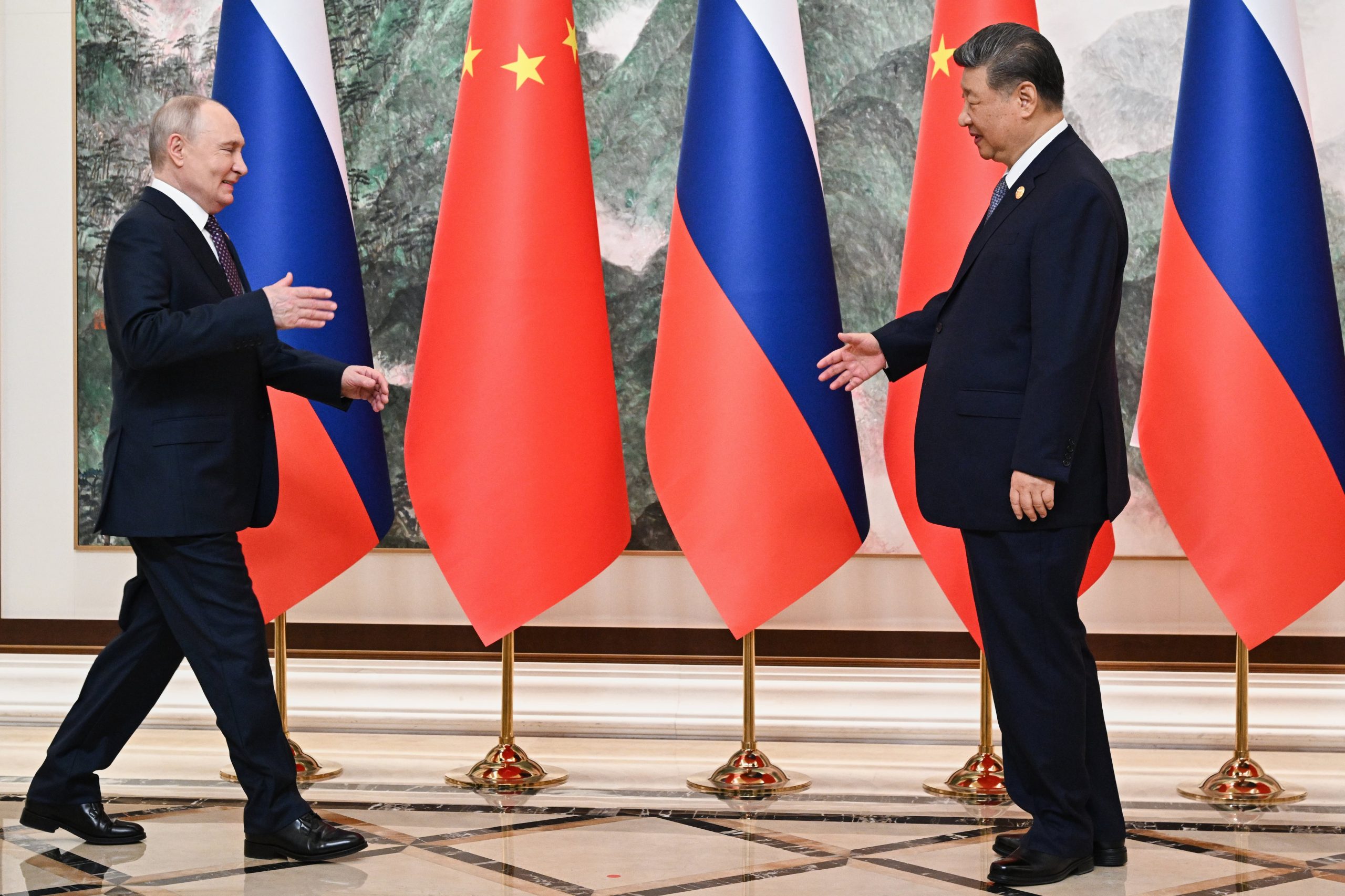
Xi Jinping pidió este jueves que las tres potencias nucleares den ejemplo en la defensa de la paz mundial, con Vladímir Putin a su derecha y Donald Trump a su izquierda. Entenderse es una “obligación ineludible”, afirmó el presidente chino al tiempo que proponía mantener contactos regulares al más alto nivel y crear un mecanismo trilateral para evitar crisis. Una fricción menor, advirtió, puede convertirse en un gran conflicto si los dirigentes dejan de hablarse.
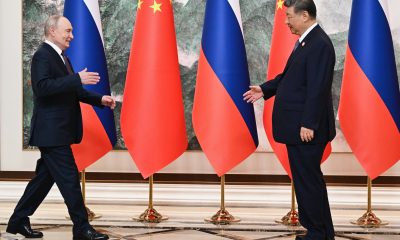
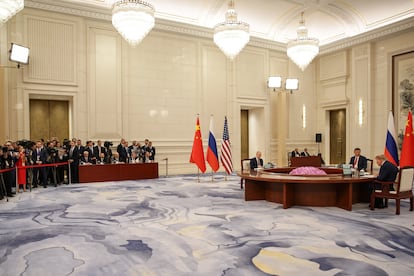
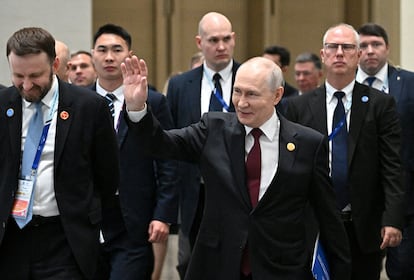
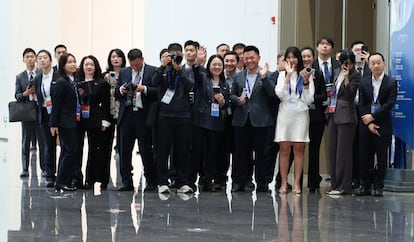
Los mandatarios de China, Estados Unidos y Rusia, que ya se habían reunido por separado, se han sentado esta vez a la misma mesa en una cumbre histórica, la primera a tres bandas entre los jefes de Estado de estas naciones. La reunión, que ha durado una hora y 20 minutos, se ha celebrado en los márgenes de la cumbre del Foro de Cooperación Económica Asia-Pacífico (APEC) en Shenzhen, completamente eclipsada por esta cita inédita.
“Cuando las grandes potencias viven en armonía, el mundo está en paz. Cuando se enfrentan, el mundo cae en el caos”, ha afirmado Xi en la ciudad meridional china. Según la lectura oficial del encuentro difundida por Pekín, los tres países se han comprometido a impulsar la reforma de la ONU y han acordado mantener un diálogo para reducir los riesgos nucleares y evitar la proliferación. “Una guerra nuclear no se puede ganar y nunca debe librarse”, se lee en el comunicado.
Pekín, Moscú y Washington prevén, siempre según la versión china, aumentar la producción y el suministro de combustibles fósiles y garantizar la estabilidad de los flujos energéticos. También reconocen la “importancia fundamental del principio del consentimiento de los Estados” y del “respeto a la inmunidad de la que gozan los funcionarios estatales”, y coinciden en que el Tribunal Penal Internacional y otros organismos similares “no deben abusar de su jurisdicción”.
Para Trump, el hecho mismo de que los tres se hayan sentado a hablar es motivo de celebración: “Nunca se ha forjado la paz dejando pasar las oportunidades del diálogo. Estamos realmente haciendo historia”, ha declarado en los primeros minutos de la reunión. “Con la vieja práctica de negarse a hablar de los problemas, jamás se resolvió uno”.
La Casa Blanca ha calificado la reunión de “encuentro sin precedentes en la escena internacional”. El ministro de Exteriores chino, Wang Yi, ha afirmado que ha sido un hito “con repercusiones de gran alcance para las relaciones internacionales”. “Nadie esperaba que todo saliera tan bien”, le ha confiado un Putin exultante a su anfitrión al término de la reunión, según los medios rusos.
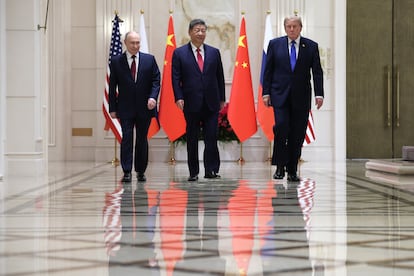
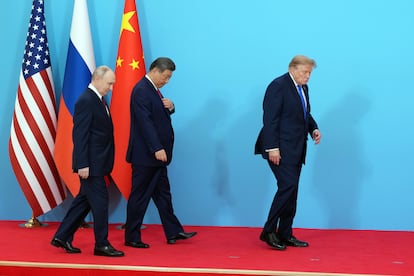
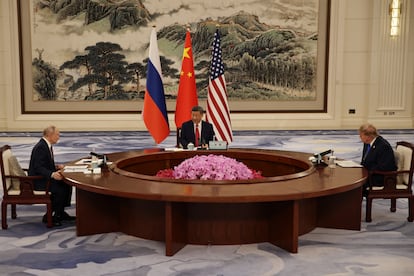
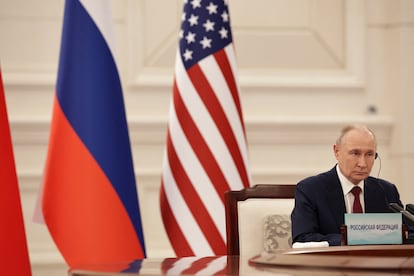
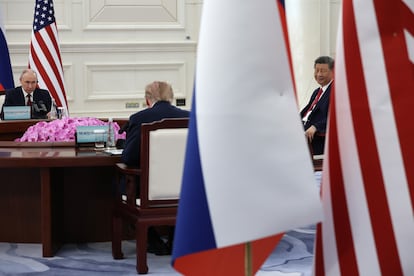
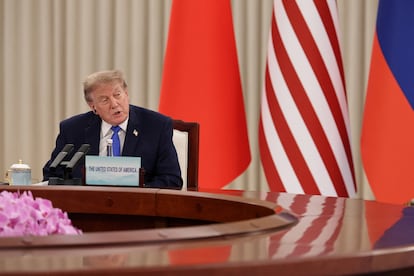
La gran incógnita era si la guerra en Ucrania figuraría en la agenda. Para el anfitrión, es un asunto delicado. Xi quiere preservar su estrecha relación con Moscú, mientras que los dirigentes europeos, con los que China mantiene importantes vínculos comerciales, le reclaman que ejerza su fuerza sobre Putin para que ponga fin a la guerra. A los líderes de Ucrania y la Unión Europea les preocupa que Trump alcance un acuerdo con Putin sin ni siquiera la presencia de Kiev en las negociaciones. En estos más de cuatro años y medio de conflicto, Pekín lo califica como una mera “crisis”.
Finalmente, la Casa Blanca ha incluido la cuestión, así como la reducción de los arsenales nucleares y la defensa de la soberanía nacional frente a lo que Trump ha llamado “organizaciones globalistas”, entre ellas el Tribunal Penal Internacional (TPI). “Está fuera de control”, ha dicho el estadounidense de ese órgano, al que acusa de “extralimitarse en sus competencias” y al que su Administración ha sometido a un intenso acoso.
El TPI ha dictado sendas órdenes de detención contra Putin, por la presunta deportación y traslado ilegal de menores ucranios, y contra el primer ministro israelí y aliado clave de Trump, Benjamín Netanyahu, por presuntos crímenes de guerra y lesa humanidad en Gaza.
En declaraciones posteriores a la prensa, Putin ha calificado la reunión de “abierta” y “muy útil”, y ha afirmado que el presidente chino logró crear un clima que permitió a los tres dirigentes intercambiar puntos de vista con libertad. “Nos ha ayudado a entendernos mejor”, ha señalado. Sobre Ucrania, ha dicho que Kiev y Bruselas aún no están dispuestos a hacer concesiones para poner fin al conflicto. También ha asegurado haber enviado invitaciones a las capitales europeas, a través de canales diplomáticos, para que sus representantes viajen a Moscú para aclarar sus posiciones.
Xi ha sido el único de los tres que no ha mencionado a Ucrania en lo que ha trascendido de su intervención. Trump, por su parte, ha denominado el conflicto como “la guerra entre Rusia y Ucrania”, obviando el papel invasor de Moscú.
El dirigente estadounidense también ha aprovechado la cita para plantear a sus homólogos que debatan cómo reducir el número de armas nucleares y el riesgo de que lleguen a emplearse, y ha citado a Teherán al reclamar su cooperación para frenar la proliferación. “No vamos a dejar que Irán tenga un arma nuclear”, ha enfatizado. Tanto Rusia como China han aportado apoyo de diversa índole a la República Islámica durante el conflicto bélico que la enfrenta a EE UU e Israel, sea comprando petróleo o suministrándole material de doble uso. Xi ha recurrido a la imagen de una “espada de Damocles” que pende sobre la humanidad para defender ante Trump y Putin que “una guerra nuclear no se puede ganar y jamás debe librarse”.
Durante la reunión, Xi ha evocado la lucha de China, la Unión Soviética y EE UU contra el fascismo en la II Guerra Mundial para reclamar a las tres potencias que cooperen también hoy. Por su parte, Putin ha recordado el papel de los tres países en la fundación de Naciones Unidas y ha sostenido que comparten la responsabilidad de preservar la paz y defender los principios de la Carta de la ONU.
“¿Qué tuvo de malo Yalta?”, ha preguntado Putin a la prensa. “En Yalta quedó consagrada la victoria sobre el nazismo… no me importaría que se consagrara también una victoria sobre el neonazismo. De hecho, me parecería lo correcto”, ha zanjado. “En Yalta nadie se repartió el mundo. Allí simplemente se dejó constancia de la realidad que había surgido tras la II Guerra Mundial. Y en los conflictos actuales, habrá que aceptar la realidad sobre el terreno”, ha afirmado Putin, en lo que parece una alusión velada a Ucrania. “Gracias a aquellos acuerdos [que alumbraron la ONU], el mundo ha vivido sin grandes convulsiones mundiales. Ha habido muchos conflictos regionales, sí, pero ninguno de alcance mundial”, prosiguió.
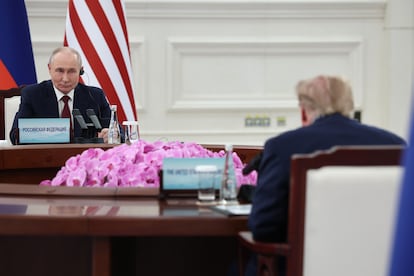
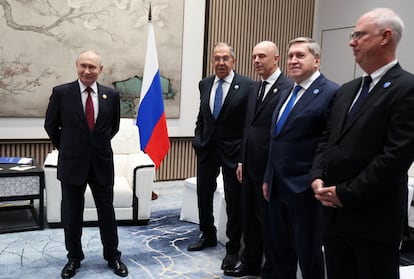
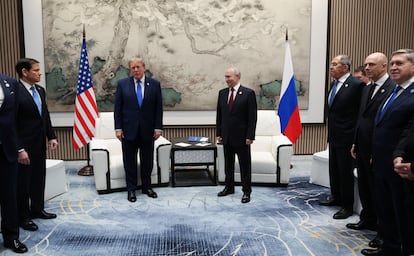
El escenario elegido para esta cumbre en los márgenes de la APEC es la villa de Kylin, en el noroeste de Shenzhen. Xi los ha recibido en un amplio salón presidido por una gran mesa redonda, en la que han estado sentados a solas; las respectivas delegaciones han seguido la conversación a cierta distancia. Detrás de Xi, una gigantesca pintura tradicional decoraba la estancia. En ella aparecía la Gran Muralla china entre un paisaje de montañas, pinos y nubes. En su cultura, las montañas simbolizan la estabilidad, los pinos se consideran una forma de dar la bienvenida a los invitados y representan la longevidad, y la Gran Muralla alude a la fuerza nacional.
La villa Kylin es un complejo de cinco estrellas que las autoridades locales utilizan desde 1997 para recibir a dirigentes chinos y extranjeros, una función similar a la de Diaoyutai en Pekín. Sus edificios de estilo europeo se reparten entre jardines, cerca de el embalse de Xili, del zoológico de la ciudad y de un campo de golf. Para el presidente chino, tiene un significado especial: allí pasó parte de sus últimos meses de vida su padre, el revolucionario Xi Zhongxun. Según cuenta su biografía oficial, publicada en 2013 y escrita por historiadores del Partido Comunista, Xi Zhongxun frecuentaba esta villa para descansar y pasear por recomendación de sus médicos tras ser diagnosticado de cáncer.
01:02
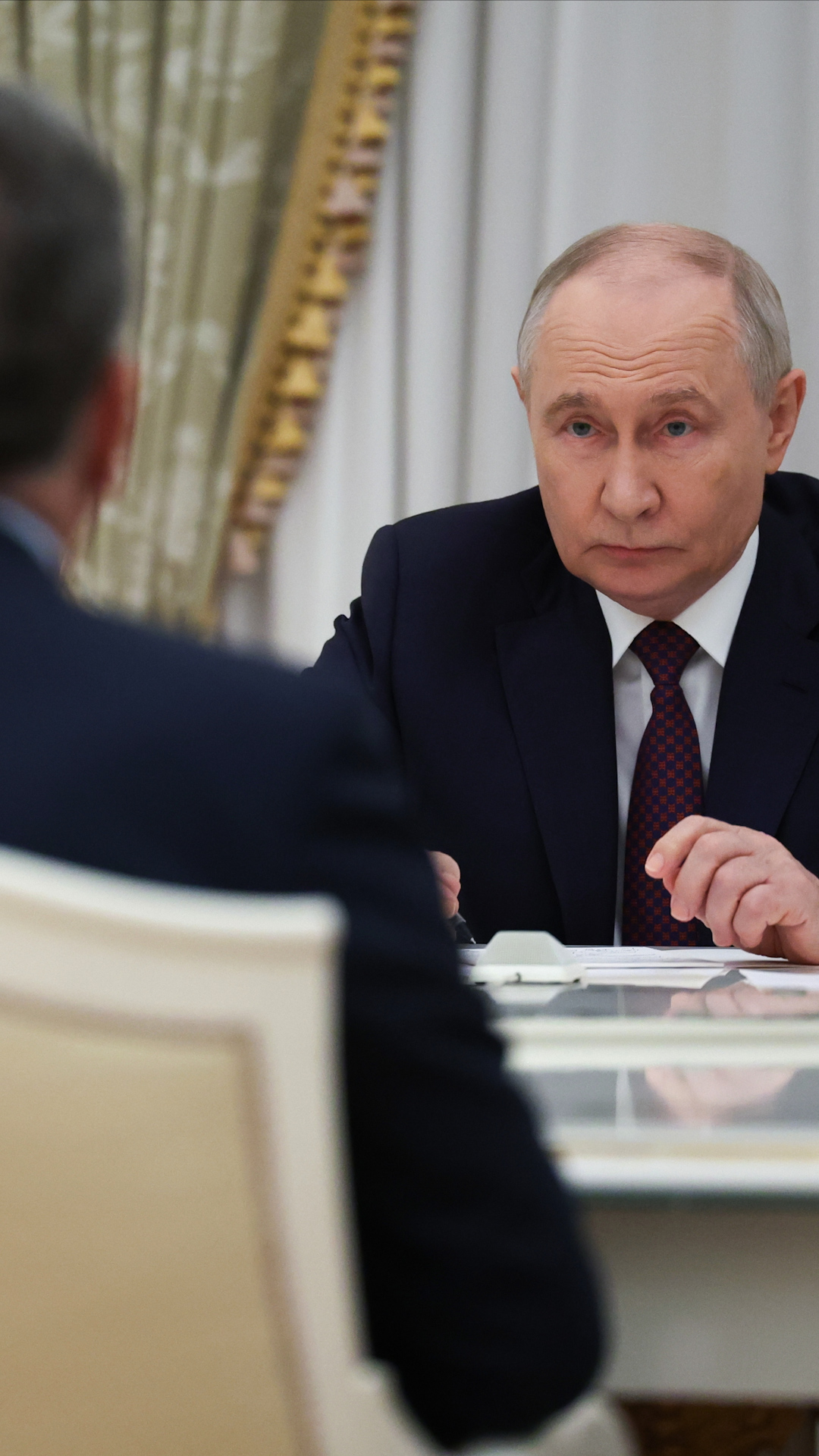
Putin y Trump abordan el conflicto en Ucrania, según el Kremlin
Shezhen, símbolo de apertura
Para Xi, haber conseguido que Trump y Putin acepten esa cita ya es un éxito diplomático en sí. Durante décadas, Washington y sus aliados occidentales marcaron en gran medida las reglas del orden internacional. Esta vez, es China la que reúne a los presidentes de EE UU y de Rusia, y lo hace en Shenzhen, la ciudad que simboliza su apertura económica y donde hoy circulan coches autónomos por sus calles y drones reparten pedidos. Al convocar a ambos dirigentes en el marco de un foro económico, Xi busca mostrar que el ascenso comercial y tecnológico de su país le ha dado también mayor peso en la política mundial.
“[Es] una imagen impactante de un orden que gira en torno a China, una suerte de G-3 presidido por Xi”, escribe Julian Gewirtz, exdirector para China del Consejo de Seguridad Nacional de EE UU durante la Administración de Joe Biden. “Este triángulo no tiene nada de equilátero. Xi se ha situado en el vértice superior”.
Antes de la reunión a tres bandas, los presidentes de la primera y segunda economía del planeta habían tratado su propia relación bilateral. En ese encuentro, Trump aseguró que coinciden en que el petróleo debe volver a circular por el estrecho de Ormuz, sobre el que hoy pesa un doble bloqueo: estadounidense e iraní.
Xi, por su parte, ha pedido a Trump que EE UU “siga haciendo lo correcto” respecto a la cuestión de Taiwán para evitar “grandes reveses” en la relación entre Pekín y Washington, la cual, ha reconocido, se ha mantenido estable y ha mejorado. Según la versión de Pekín, Trump ha respondido que EE UU no apoya la independencia de la isla, que está gobernada democráticamente y que China reclama como parte irrenunciable de su territorio. Es la tercera reunión bilateral entre ambos mandatarios este año, tras las de Pekín, en mayo, y Washington, en septiembre. Trump ha puesto el acento en el trato personal que mantienen: “El presidente Xi y yo hemos forjado una relación personal extraordinaria. De verdad. A algunos les disgusta oírlo, pero yo estoy muy contento”.
En el terreno comercial, Trump ha pedido “que haga algo más por nuestros agricultores, porque China tiene un apetito insaciable”. El comunicado chino señala que Xi ha pedido más diálogo para resolver las diferencias comerciales. La tregua pactada entre ambos países expira el próximo 10 de enero.

“Putin es mi amigo”
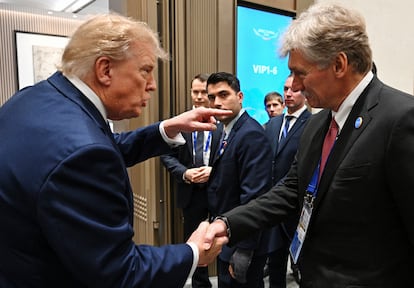
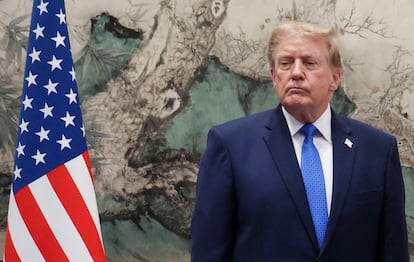
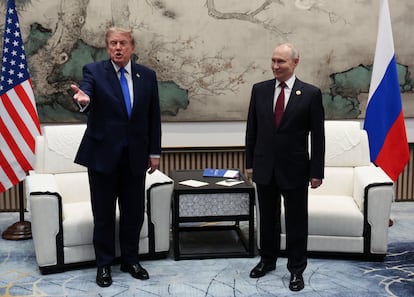
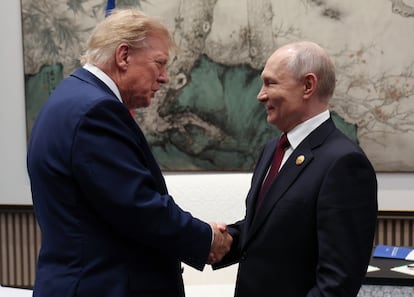
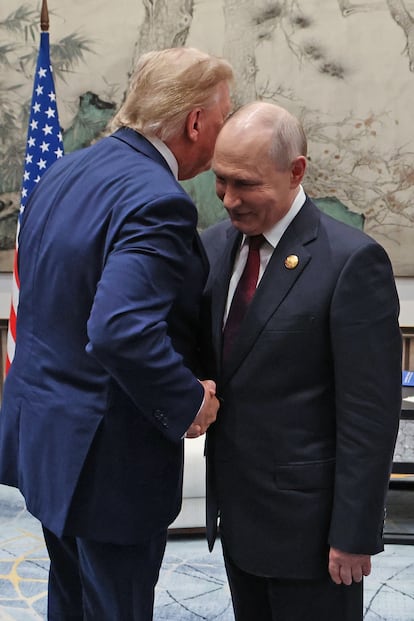
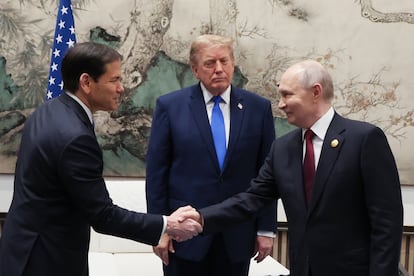
Trump se había visto previamente durante 40 minutos con Putin, al final de la reunión plenaria de los líderes del APEC. “¿Quién es?… Es mi amigo”, bromeó el republicano antes de estrecharle la mano, darle una palmada en la espalda e inclinarse para susurrarle algo al oído. Putin sonreía.
Ambos ya se habían saludado la víspera en presencia del anfitrión de la cumbre, poco antes del gran banquete de bienvenida en el que estuvieron presentes los representantes de los países que conforman el foro. Era la primera vez que ambos mantenían un encuentro personal desde su cita en Alaska, en agosto del pasado año.
Apec
Xi Jinping Y Putin Reivindican Su “firme” Relación Poco Antes De La Llegada De Trump A La Cumbre De La APEC En China
Could homes in Spain soon regulate their own temperatures without heating or air conditioning?

Could Homes In Spain Soon Regulate Their Own Temperatures Without Heating Or Air Conditioning?

Trump Obstaculiza La Supervisión De Contratos Por Un Congreso Controlado Por Los Demócratas


-

 New Developments3 weeks ago
Luxury Villas For Sale, Estepona – ProjectL1
-

 New Developments2 weeks ago
The San Roque Club – Townhouses For Sale
-

 New Developments4 weeks ago
How To Get A Tourist Rental Licence In Andalusia (Spain) – Step-By-Step Guide 2025
-
Age Concern Marbella - San Pedro4 weeks ago
Halloween lunch sells out as 51 join Marbella get-together
-

 %4 weeks ago
Spain Orders Replacement Of Eight Million Gas Meters: New Rules, Costs And Deadlines
-
countryside3 weeks ago
Rural revival: Five Almeria villages make moving inland easier and more enticing
-
Costa del Sol4 weeks ago
Where are they? Expat questions local police presence
-
costa blanca live music3 weeks ago
Beatles tribute: The Liverpool Band returns to Orihuela Costa