
Housing politics
The Flaws At The Heart Of The Government’s Housing Policy



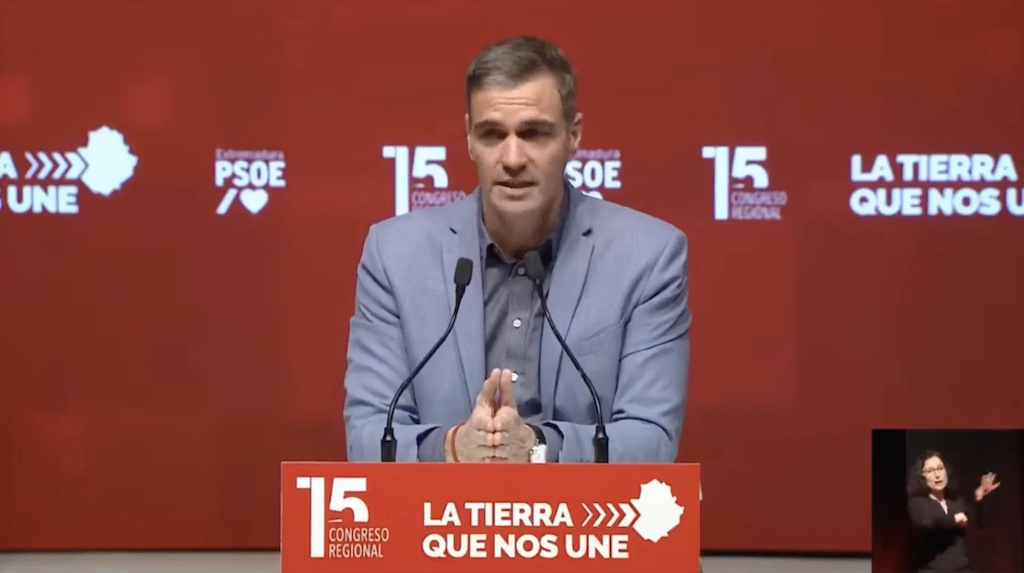
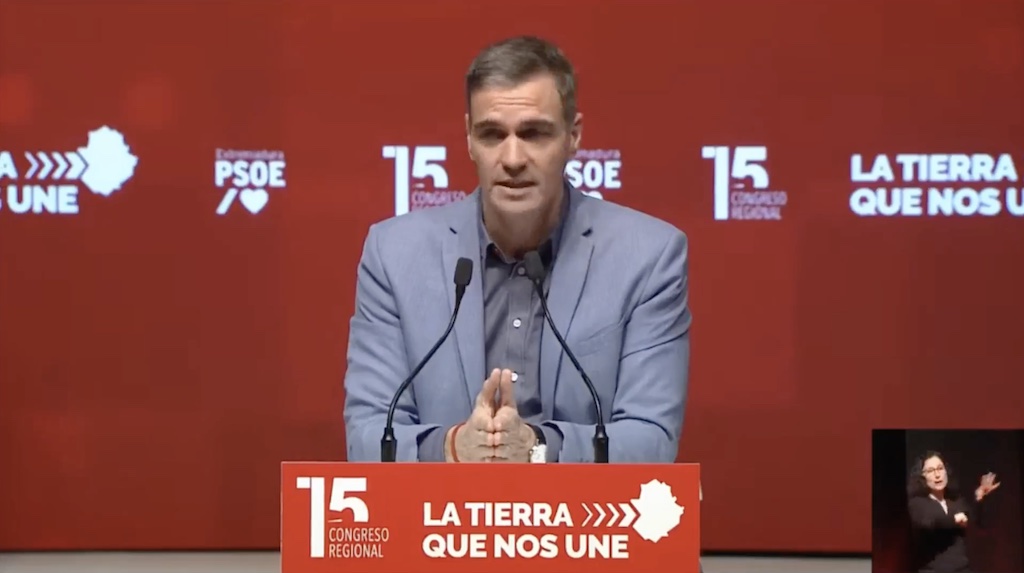
Socialist Prime Minister Pedro Sánchez recently appeared on television defending rent controls and greater government intervention in Spain’s housing market. His interview on La Revuelta brought several questionable arguments and important omissions into focus. Here’s a closer look.
With Spain heading towards a general election on 29 November, Sánchez is seeking to make housing a central issue. After eight years in power, his government faces criticism over worsening affordability and insufficient housebuilding.
In an interview on La Revuelta on 22 October, Sánchez argued that Spain needs both more construction and greater regulation. He described them as the two pedals of a bicycle.
But his defence of that approach raises some awkward questions.
1. The property bubble supposedly disproves supply and demand
Sánchez argued that Spain built 4.5 million homes before the financial crisis, yet house prices continued rising. He suggested that the relationship between supply and demand was therefore not so straightforward.
The same argument appears in the preamble to the government’s housing decree of 6 October, which notes that more than 3.5 million homes were built in five years without containing prices.
But this was a speculative bubble, fuelled by excessive credit and expectations of ever-rising prices. Construction and prices were both responding to extraordinary speculative demand.
The fact that prices rose whilst supply increased doesn’t demonstrate that additional supply was ineffective. Prices might have risen even faster without it.
It’s rather like arguing that because tulip prices rose during the Dutch speculative mania of the 1630s, growing more tulips doesn’t help contain their price.
The last property bubble illustrates how speculative demand can overwhelm supply, not that the laws of supply and demand cease to apply.
Sánchez is anything but stupid. I’m sure he knows that building more affordable housing within commuting distance of hot markets would help keep a lid on house prices, but he needs to undermine this argument in favour of regulations that punish landlords, which is what his left-wing comrades want more than anything else. These argument helps keep the hard-left on board.
2. Barcelona as a rent-control success story
Sánchez held up Barcelona, where rent controls apply, as an example of rents rising much more slowly than Madrid, where they don’t.
There is evidence of greater price restraint in Barcelona. According to the Generalitat’s official rental-contract figures, the average monthly rent on new contracts was €1,137 in Q1 2026, down 4.7% from immediately before the controls began in 2024, though up 4.6% year-on-year.
But prices are only part of the story. What about availability?
The number of new rental contracts signed in Barcelona fell from 53,524 in 2018 to 30,789 in 2025, a decline of 42.5%. Even comparing Q1 2026 with Q1 2024, new contracts were down 17%.
Fewer new contracts do not necessarily mean fewer homes in the total rental stock. Longer tenancies also reduce turnover. But they do mean fewer opportunities for people looking for somewhere to rent.
Rent controls can protect sitting tenants whilst making life harder for newcomers competing for the limited number of homes becoming available.
Sánchez mentioned the restrained prices, but not the collapse in new contracts.
3. A million new homes built?
Sánchez also claimed that one million homes had been built in recent years, with around 13% classified as protected housing.
He didn’t specify which years. According to official figures examined by fact-checking organisation Newtral, Spain completed approximately 722,000 homes between 2018, when Sánchez came to power, and Q1 2026.
The distinction matters when assessing a government’s record on construction, particularly when housing supply is one of the central issues in the election campaign.
4. A market that supposedly needs more intervention
Sánchez repeatedly argued that the housing market wasn’t working and therefore needed greater public intervention.
But Spain’s housing market is already heavily regulated. Planning restrictions, lengthy administrative procedures and construction requirements constrain development, whilst rental legislation governs prices, contract terms and landlords’ rights.
The question is not simply whether intervention is needed, but whether existing intervention is contributing to the problems the government wants to solve.
A market struggling to respond to demand does not necessarily need more regulation. It might need some of the existing obstacles removed.
5. Two pedals pulling in different directions?
Sánchez’s bicycle analogy sounds reasonable: build more homes whilst regulating the market.
But construction and rental investment depend on expected returns, costs and risks. Regulations that make projects less viable or reduce returns can discourage the very investment needed to increase supply.
Barcelona’s requirement to reserve 30% of certain new developments for protected housing illustrates the difficulty. Introduced in 2018, it has produced far fewer protected homes than originally expected, and even the Socialist-led city council has sought to make the rules more flexible.
Sánchez also argued that his government supports small landlords through tax incentives, whilst directing its criticism towards large investors and so-called vulture funds.
The incentives exist. But the relevant question is whether they outweigh the additional costs, restrictions and risks of renting out a property. That matters in a market where individual owners account for the overwhelming majority of privately rented homes.
What the interview leaves unanswered
There are legitimate arguments for protecting tenants, restraining rents and expanding affordable housing. But the benefits of intervention need to be weighed against its effects on supply, investment and access for prospective tenants.
The interview emphasised construction and regulation as complementary solutions, yet gave little attention to the possibility that some regulations make additional housing less likely to materialise.
Nor did it adequately distinguish the speculative excesses of the 2000s from today’s shortage of homes.
With this sort of reasoning informing housing policy, it’s hardly surprising that Spain’s housing crisis has deteriorated during Sánchez’s eight years in power. I sometimes wonder whether a Socialist government with an absolute majority of its own would have taken a more pragmatic approach, rather than being pulled further towards intervention by its partners on the hard left, who’ve made housing their signature issue. But without a majority of his own, Sánchez remains dependent on those partners to govern. If that arrangement continues, and the underlying thinking doesn’t change, it’s difficult to see Spain’s housing problems getting any better. Indeed, there’s every risk they’ll get worse.













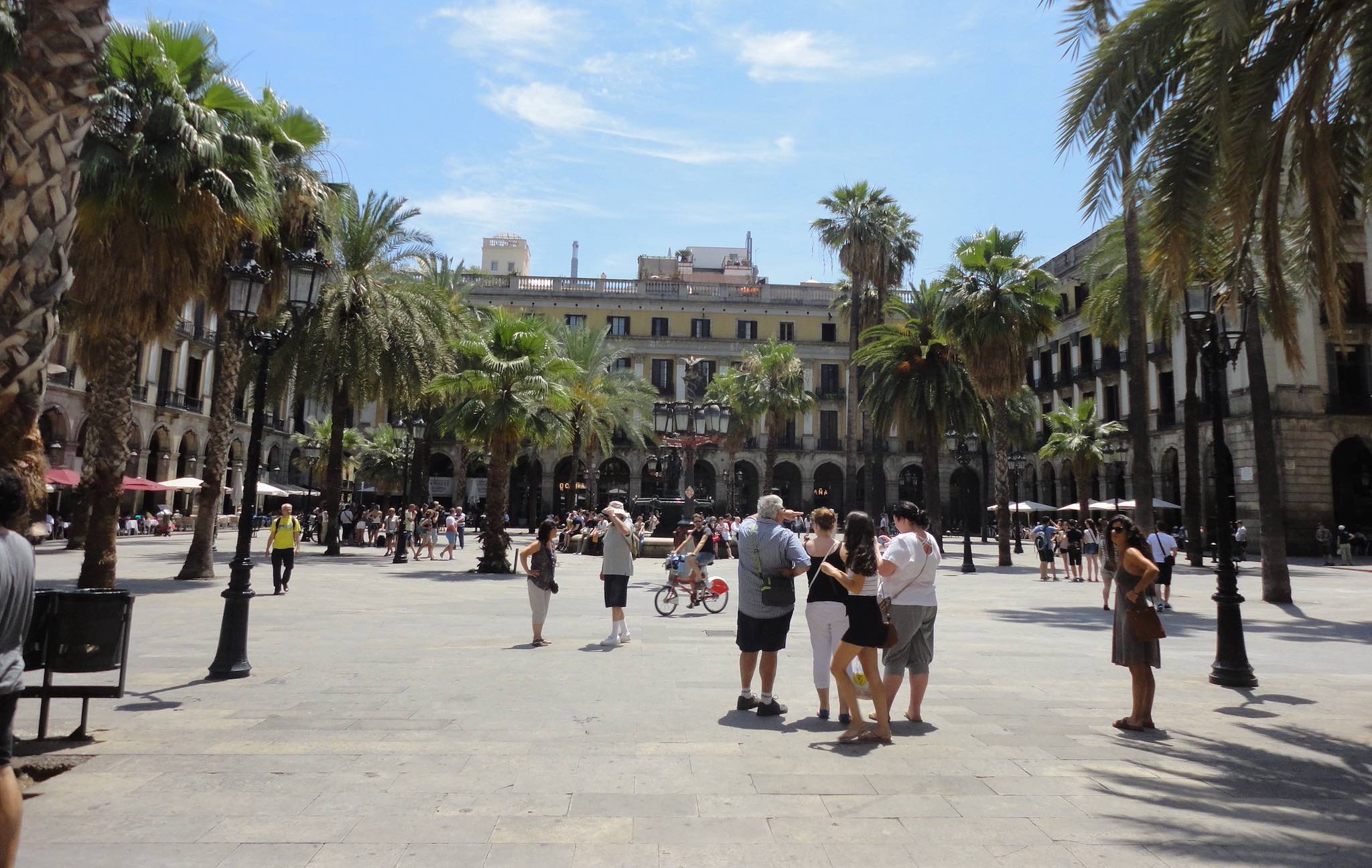
Barcelona City Council has approved plans to increase property taxes by up to 150% on owners with multiple tourist rental licences, adding another financial burden to a sector already facing extinction in 2028.
Barcelona City Council’s Economy and Finance Committee has approved a proposal to increase the annual property tax (IBI) on tourist rental properties, with the biggest increases targeting owners and operators holding four or more tourist accommodation licences.
The measure was supported by the Socialists (PSC), Barcelona en Comú and ERC, with Junts abstaining and the PP and Vox voting against.
Under the proposal, the increases would be:
- 150% for holders of four or more tourist rental licences, affecting approximately 6,000 licences, or 60% of the city’s total.
- 100% for holders of two or three licences, affecting around 1,200 licences, or 11% of the total.
- No increase for owners holding just one tourist rental licence.
The proposal is not yet final. It must go through a period for objections before being submitted for approval at the December council meeting.
Another blow to Barcelona’s tourist rental sector
Deputy Mayor for Economic Affairs Jordi Valls explained that the objective is to make tourist rentals less attractive financially until the city’s planned elimination of tourist rental licences takes effect in 2028.
Valls argued that the tax increases primarily target companies operating tourist accommodation as a business, rather than individual owners renting out a single property.
Barcelona currently has around 10,000 licensed tourist flats, all of which are scheduled to lose their tourist rental licences in 2028 under the city’s controversial plan to eliminate this form of accommodation.
The latest tax proposal adds to the growing regulatory and financial pressure on the sector, potentially reducing profitability well before the licences themselves disappear.
Will higher taxes solve Barcelona’s housing shortage?
Supporters of the measure argue that discouraging tourist rentals will help tackle Barcelona’s housing problems. However, there is no guarantee that increasing taxes on tourist accommodation will make more homes available for long-term residential use.
The opposition has questioned both the effectiveness and proportionality of the proposal. Junts warned of growing legal uncertainty, whilst the PP described the increase as a punitive tax measure targeting a particular group of property owners.
Vox argued that the measure does nothing to guarantee more residential housing, suggesting that the council would achieve more by encouraging construction and removing restrictions on development.
The underlying problem remains Barcelona’s chronic shortage of housing supply. Increasing taxes on existing accommodation, or eliminating tourist rentals altogether, does nothing directly to encourage the construction of new homes.
For owners and investors in Barcelona’s tourist rental market, the message from City Hall is increasingly clear: the authorities intend to make the business less attractive long before the planned ban arrives in 2028.
Author:  Mark Stücklin
Posted on
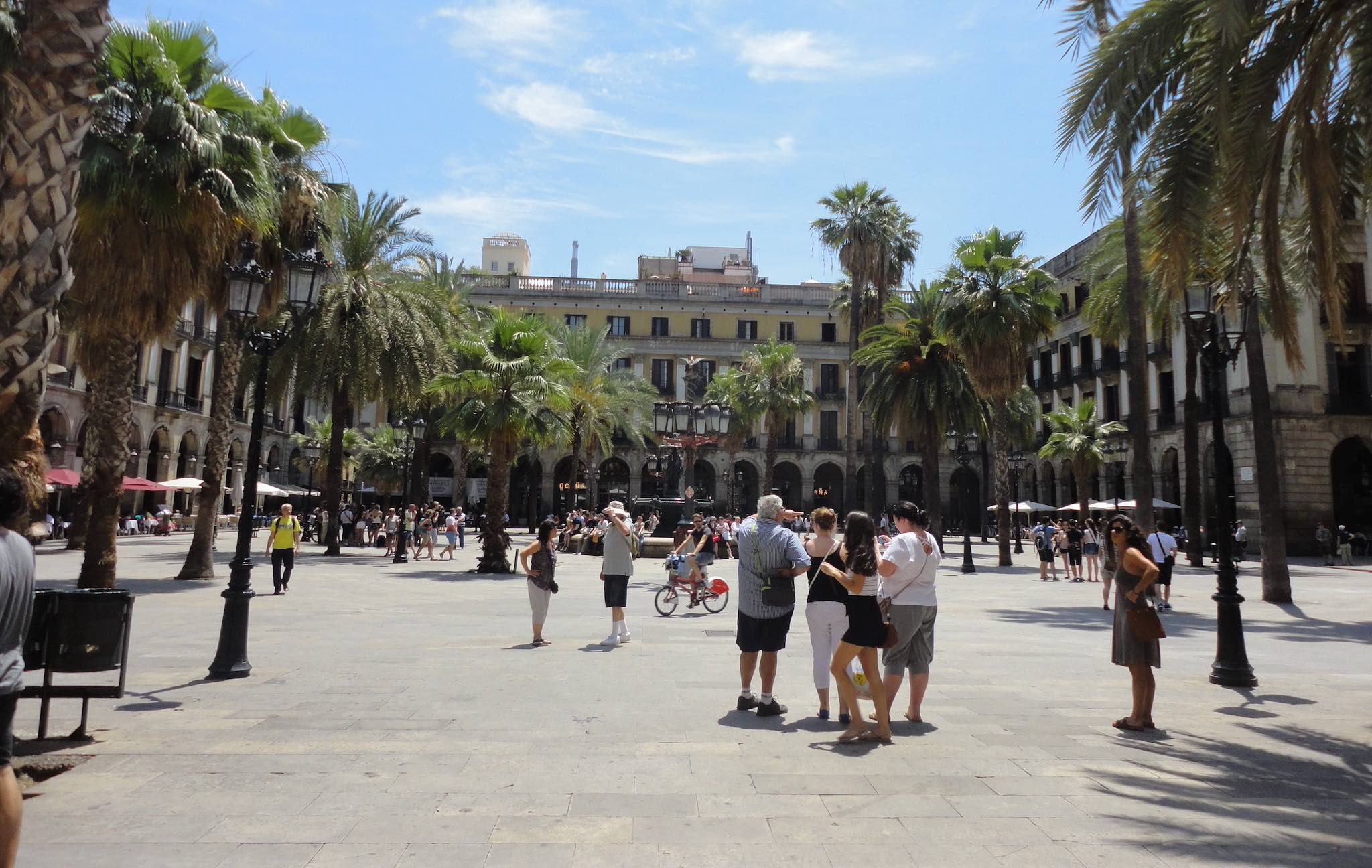
Barcelona City Council has approved plans to increase property taxes by up to 150% on owners with multiple tourist rental licences, adding another financial burden to a sector already facing extinction in 2028.
Barcelona City Council’s Economy and Finance Committee has approved a proposal to increase the annual property tax (IBI) on tourist rental properties, with the biggest increases targeting owners and operators holding four or more tourist accommodation licences.
The measure was supported by the Socialists (PSC), Barcelona en Comú and ERC, with Junts abstaining and the PP and Vox voting against.
Under the proposal, the increases would be:
- 150% for holders of four or more tourist rental licences, affecting approximately 6,000 licences, or 60% of the city’s total.
- 100% for holders of two or three licences, affecting around 1,200 licences, or 11% of the total.
- No increase for owners holding just one tourist rental licence.
The proposal is not yet final. It must go through a period for objections before being submitted for approval at the December council meeting.
Another blow to Barcelona’s tourist rental sector
Deputy Mayor for Economic Affairs Jordi Valls explained that the objective is to make tourist rentals less attractive financially until the city’s planned elimination of tourist rental licences takes effect in 2028.
Valls argued that the tax increases primarily target companies operating tourist accommodation as a business, rather than individual owners renting out a single property.
Barcelona currently has around 10,000 licensed tourist flats, all of which are scheduled to lose their tourist rental licences in 2028 under the city’s controversial plan to eliminate this form of accommodation.
The latest tax proposal adds to the growing regulatory and financial pressure on the sector, potentially reducing profitability well before the licences themselves disappear.
Will higher taxes solve Barcelona’s housing shortage?
Supporters of the measure argue that discouraging tourist rentals will help tackle Barcelona’s housing problems. However, there is no guarantee that increasing taxes on tourist accommodation will make more homes available for long-term residential use.
The opposition has questioned both the effectiveness and proportionality of the proposal. Junts warned of growing legal uncertainty, whilst the PP described the increase as a punitive tax measure targeting a particular group of property owners.
Vox argued that the measure does nothing to guarantee more residential housing, suggesting that the council would achieve more by encouraging construction and removing restrictions on development.
The underlying problem remains Barcelona’s chronic shortage of housing supply. Increasing taxes on existing accommodation, or eliminating tourist rentals altogether, does nothing directly to encourage the construction of new homes.
For owners and investors in Barcelona’s tourist rental market, the message from City Hall is increasingly clear: the authorities intend to make the business less attractive long before the planned ban arrives in 2028.
Housing access / crisis / affordability
Radical Housing Decrees Return As Housing Becomes Election Battleground
Spain’s controversial housing decrees are back, and Prime Minister Pedro Sánchez has called a snap general election for 29 November, gambling that public anger over housing will save his government.
Just three days after Parliament rejected the government’s two emergency housing decrees on Friday 2 October, Sánchez announced a snap general election. His government then promptly reintroduced revised versions of the same decrees, taking advantage of parliamentary procedures that could allow them to survive despite having been rejected by the full Congress.
As I argued in my previous article (linked above), the decrees appeared to be as much about political positioning as housing policy. Events since then have only strengthened that impression.
Housing becomes the election battleground
Sánchez has been Prime Minister for eight years, during which Spain’s housing crisis has steadily worsened, as is clear from this house price chart showing when he came to power and when he introduced his Housing Law (Ley de Vivienda) of 2023, after which house prices really took off.

With corruption scandals, controversy over events in Ceuta and unfavourable opinion polls threatening his political survival, the eviction of 87-year-old Maricarmen from her long-term home in Madrid provided an opportunity to change the political conversation.
Her death in hospital on 7 October has made the issue even more emotionally charged, with demonstrations and accusations against the property investors and political parties held responsible for her eviction.
Sánchez now appears determined to fight the election on housing, but not on his government’s record or the underlying causes of the crisis. Instead, he wants to frame it as a simple moral choice between ordinary people, whom he claims to defend, and property speculators or “vulture funds”, supposedly protected by his political opponents. This tweet by his Housing Minister Isabel Rodríguez sums it up nicely. “Either with the people, or with the vultures” she says.
O con la gente, o con los buitres.
Por la vivienda, la sanidad, la educación… por tu Estado del Bienestar. Vamos a las urnas para seguir avanzando con más fuerza. https://t.co/g3RZlAgjFL
— Isabel Rodríguez García (@isabelrguez) October 5, 2026
The two decrees fit neatly into this narrative. Drafted under pressure from his coalition partners on the hard left and militant tenants’ unions, they would significantly strengthen tenants’ rights at the expense of landlords, especially the second decree, which would make it much harder or more expensive to recover possession at the end of a rental contract.
Their rejection by Parliament gave Sánchez the opportunity to accuse his opponents of siding with “speculators” against vulnerable tenants. Whether he deliberately engineered that defeat is impossible to prove, but the political advantage is obvious. He can now try to energise his base, attract voters from parties further to the left and shift attention away from his government’s record.
It is a clever political gamble, but one that reduces a complex housing crisis to a simplistic contest between good and evil, with little room for serious debate about what might actually work.
The decrees return, and uncertainty grows
The government has reintroduced both decrees, including extended eviction protections, tighter restrictions on landlords and investors, and automatic renewal of residential tenancies with substantial fines for landlords who refuse to renew without an accepted reason.
The first decree came into force on 8 October, whilst the second is scheduled to take effect on 15 November. Both still require approval by the Permanent Deputation, the smaller parliamentary body that operates whilst Congress is dissolved. The first might now pass despite having been rejected by the full Parliament, though the second remains less likely to survive. The manoeuvre has prompted accusations of constitutional fraud.
Opinion polls currently point towards a victory for the PP and Vox, but Sánchez is gambling that his housing campaign will change the result. If the opposition wins, it may reverse the surviving decrees. If Sánchez stays in power, further intervention in the rental market looks likely.
Either way, Spain now faces an extended period of uncertainty over housing policy until after the election and the formation of a new government. Landlords, investors and developers have good reason to put decisions on hold until they know which rules they will be operating under. The truth is that, right now, nobody really knows what the rules are or will be, and that includes a measure to introduce VAT on holiday-lettings (more on that another day). That can only make the housing situation worse in the meantime.
More homes, less political theatre
Whoever wins the election, Spain’s housing crisis will not be solved overnight. It will take at least five years, probably longer, of sustained reform to increase supply where people want to live. That means freeing up land, simplifying planning and building regulations, making better use of urban space, investing in transport and utility infrastructure, and deregulating the rental market to encourage private landlords to supply and maintain more homes.
Such reforms require political courage, investor confidence and patience, none of which offers the immediate electoral rewards of rent freezes, eviction bans or restrictions on investors. It is doubtful that any political bloc has the policies or determination to deliver what is needed against resistance from entrenched interests. Even a more market-friendly government might achieve little more than modest improvements.
If the current Socialist and hard-left coalition remains in power, however, I fear the outlook will be considerably worse. Its policies risk further discouraging private investment and shrinking the quantity and quality of rental housing. Sitting tenants would enjoy greater protection, but those looking for somewhere to live would face an increasingly difficult market.
And as the shortage persists and public frustration grows, the temptation to blame convenient scapegoats will only increase. Property investors, foreign buyers and second-home owners are obvious targets, even though penalising them will do little to address the underlying shortage.
With housing now an election battleground, political theatre looks set to take precedence over practical solutions. Whoever wins, Spain faces years of difficult reform at best, or more policies that make the problem worse at worst.
Are you thinking of selling your property in Spain?
Whether you are thinking of selling or simply want to understand the market around one of your most valuable assets, an SPI personalised market report gives you unique, expert insight into your local market segment and what it means for you, so you can make informed decisions. Fill in this form to find out more.

F1 owner Liberty Media faces rider revolt over Qatar Grand Prix safety fears

Toledo Train Disaster: People & Their Testimonies
Spain’s Transport Minister Blames Rail Crash On ‘inexplicable Human Error’


-

 New Developments4 weeks ago
Luxury Villas For Sale, Estepona – ProjectL1
-
EU4 weeks ago
EU nicotine crackdown sparks warning that ex-smokers could be driven back to cigarettes
-
Blackout preparedness4 weeks ago
Brussels takes action against Spain over failure to update blackout plan
-

 Uncategorized4 weeks ago
Lewis Hamilton F1 wish could come true as stunning plans for new track revealed
-
 Housing access / crisis / affordability4 weeks ago
Radical Housing Decrees Defeated As Snap Election Talk Grows
-
British tourists arrested in Magaluf4 weeks ago
British tourists arrested after taxi driver left bloodied in Magaluf
-
Catalonia3 weeks ago
Why the rain opened a hole in front of Granollers’ courts
-

 %3 weeks ago
Spain Payslip Change Coming In January 2027