
House prices
The Terrace Problem With Notary Property Price Statistics

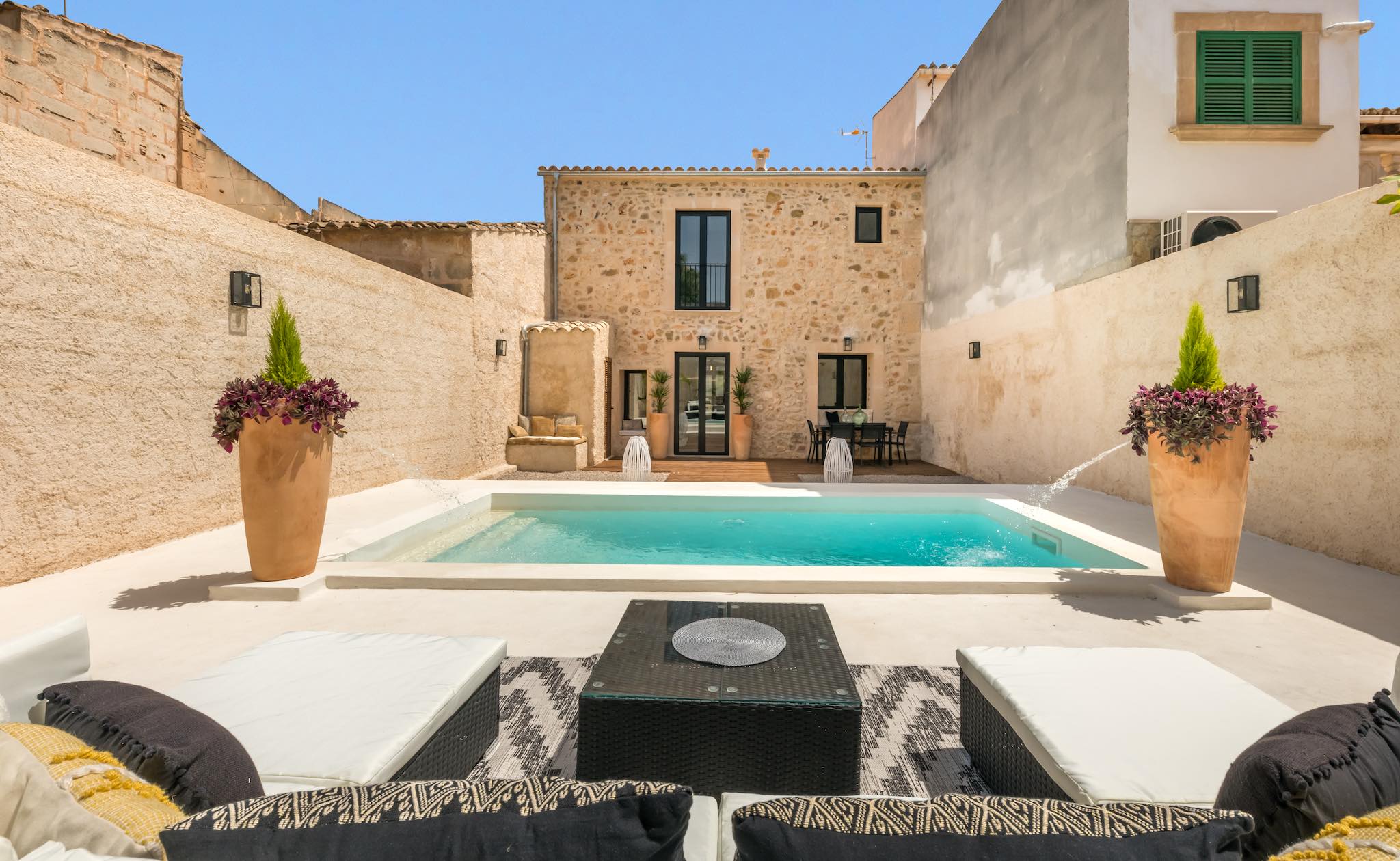
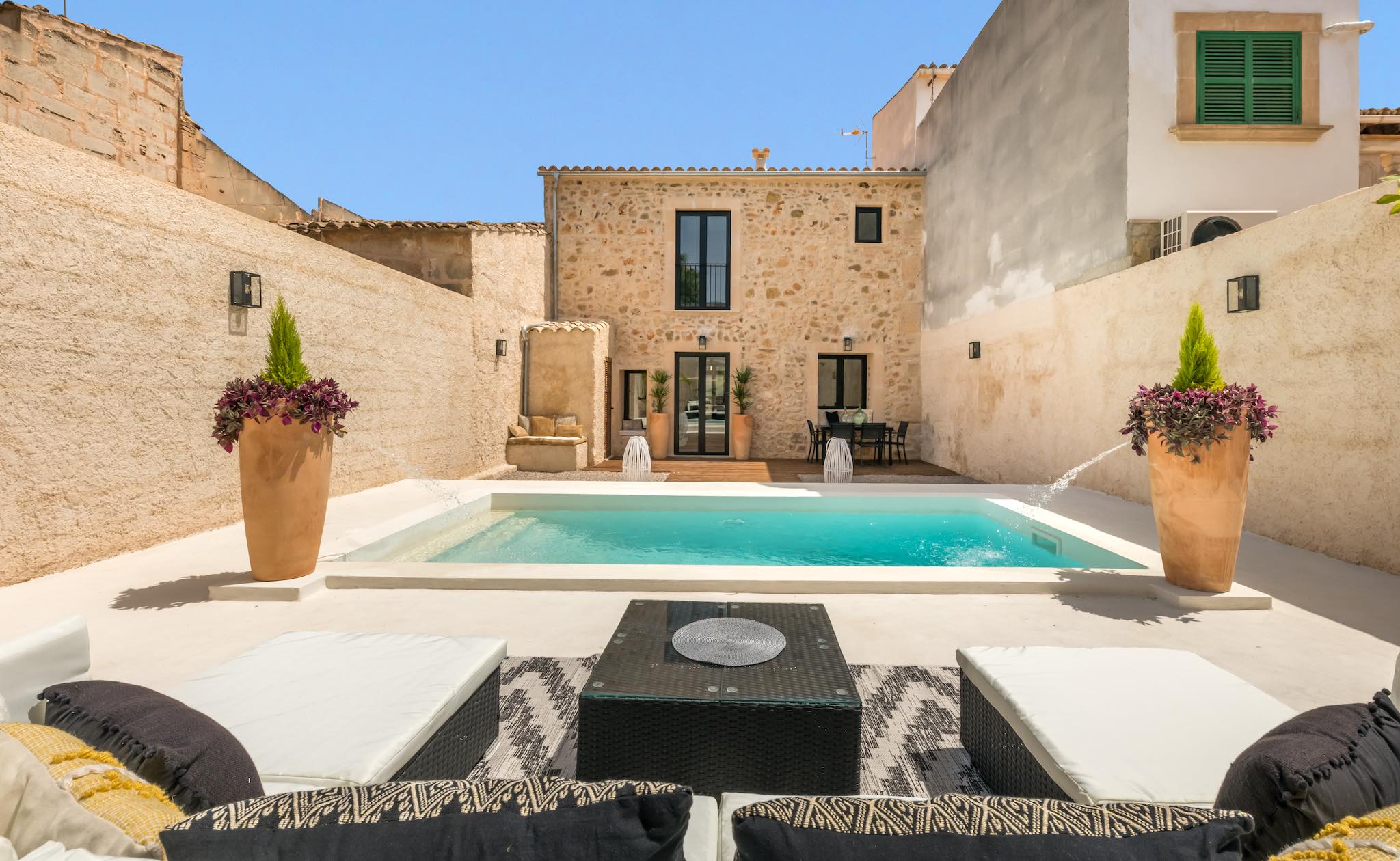
Spain’s new notary statistics portal is a big step forward in property market transparency, but its price-per-square-metre figures come with a catch for homes with terraces. Understanding how terraces are treated is essential if you want to make sense of the numbers.
The new Notarial Statistical Portal is one of the most useful developments in Spanish property market transparency for years. It provides information based on actual completed sales rather than asking prices, with impressive geographical detail down to postcode level.
For buyers, owners and potential sellers trying to understand local property values, this is enormously useful. But there’s an important limitation when comparing prices per square metre, especially for apartments with large terraces.
How do the notaries account for terraces?
According to the notaries’ published methodology, the preferred measurement is built floor area excluding communal elements (superficie construida sin elementos comunes). More importantly, terraces are excluded from the area calculation, whether covered or uncovered.
This doesn’t mean terraces have no value. Quite the opposite. Their contribution is reflected in the sale price, but their floor area is normally excluded from the calculation of price per square metre.
Consider an apartment on the coast with 100m² of built indoor space, a 100m² terrace (half covered), and a sale price of €600,000.
Under the notaries’ methodology, the price works out at €6,000/m² because the full sale price is divided by just 100m² of built area.
Now compare that with an otherwise similar apartment without a terrace that sells for €450,000, equivalent to €4,500/m².
The first apartment appears 33% more expensive per square metre, but the €150,000 difference might simply reflect what buyers were prepared to pay for its extensive private outdoor space.
What this means for buyers and sellers
The notaries’ average prices per square metre incorporate transactions involving properties with and without terraces, including the premiums buyers pay for outdoor space. But they don’t isolate the value of terraces.
This matters particularly in coastal markets, where large terraces with good views can add substantial value.
So using the local average price per square metre to value an individual home could lead to serious mistakes, especially if it has a large terrace.
Nor is this problem unique to the notaries. Different organisations measure floor area in different ways, as I explain in my guide to how terraces are measured and valued in Spain.
The notaries’ portal is an excellent resource for understanding local prices and trends, but it’s not a substitute for an individual property valuation. The figures need to be interpreted with care.












Meet Rescued Horses In Coin

Minimum Wage Workers In Spain Could Get €65 A Month More From January

Casares World Cheese Awards Debut


-
DGT3 weeks ago
Viral video in Spain sparks fury over drivers who ‘have no idea how to drive’
-

 Arabia Saudí4 weeks ago
Un Ataque De Los Hutíes Contra El Aeropuerto De Riad Causa Al Menos 12 Muertos Y Más De 300 Heridos
-

 America4 weeks ago
Un Tirador Mata A Ocho Personas En Una Vivienda En Pensilvania
-
Automated supermarket3 weeks ago
Spain’s 24-hour shop with no tills expands to Barcelona Airport
-

 %4 weeks ago
Concrete Balcony Slabs Collapse Onto Marbella Street
-

 Uncategorized4 weeks ago
Williams F1 driver caught up in four-car pit lane pileup
-

 America4 weeks ago
Trump Llega A Un Acuerdo Con Putin Para Que Rusia Libere Miles De Barriles De Diésel En Los Mercados Mundiales
-
News from Spain4 weeks ago
Spain police warn parents over WhatsApp scam that uses their children’s real accounts