
America
Un Atentado Terrorista En La Vía Panamericana Causa Al Menos 14 Muertos Y Casi 40 Heridos






America
Todos Al Suelo En El Primer Plato: El Intento De Atentado De Trump Desde El Interior De La Cena De Corresponsales

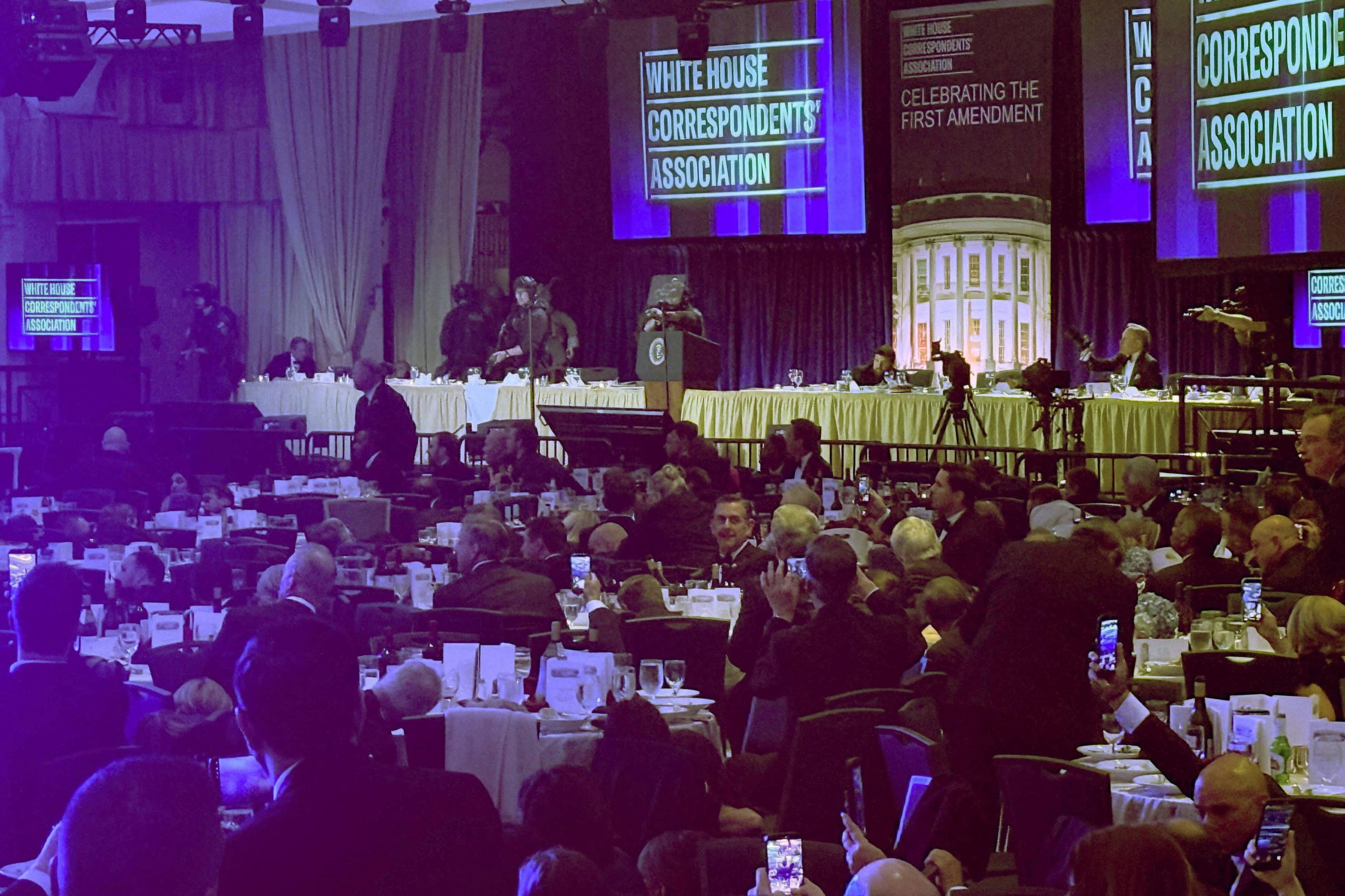
Los cerca de 2.500 asistentes a la cena de corresponsales de la Casa Blanca en el hotel Hilton de Washington apenas habían comenzado a degustar el primer plato -una ensalada de burrata y guisantes frescos- cuando sonaron cinco golpes secos, sordos. “Creí que eran unas bandejas”, diría después el presidente de Estados Unidos, Donald Trump. Eran disparos: aparentemente, un nuevo intento de atentado, el cuarto, contra el mandatario. Un hombre de 30 años, el presunto tirador, ha quedado detenido, 45 años después de que John Hinckley intentara asesinar al entonces presidente, Ronald Reagan, en este mismo hotel.
La cena de corresponsales de la Casa Blanca es, tradicionalmente, el gran acontecimiento anual en el mundo del periodismo en Washington. Un evento de gala que agrupa a los periodistas que cubren la información presidencial con el todo Washington, la crema y nata del mundo político, de los medios de comunicación, del poder en todas sus formas, y que suele estar salpicado de celebridades entre sus invitados. El presidente estadounidense de turno suele ser el invitado de honor. Pero Trump, que mantiene una compleja relación de amor-odio con la prensa, había declinado sistemáticamente asistir cada año. Hasta ahora.
Que Trump fuera a asistir a esta edición de la cena, donde tenía previsto pronunciar un discurso, había aportado una dosis especial de expectación y morbo al acontecimiento. En las horas previas -y en las múltiples fiestas organizadas en torno a la cena-, en los corrillos de periodistas se bromeaba con cuáles serían los insultos que el presidente dedicaría a sus anfitriones durante su intervención. Pero nadie imaginaba que la noticia acabaría siendo otra.
Todo había empezado como estaba previsto. Los emperifolladísimos invitados habían tomado asiento en la gran sala de baile del Hilton, que acoge el acontecimiento cada año por ser la mayor de todo Washington -al menos hasta que la que Trump construye en el ala Este de la Casa Blanca esté lista. Una banda militar había estado tocando música. Se había interpretado el himno estadounidense, con los presentes puestos en pie. Se había anunciado la entrada del presidente estadounidense y de su esposa, Melania Trump. La presidenta de la Asociación de Corresponsales de la Casa Blanca, Weijia Jiang, periodista de la cadena CBS, había pronunciado unas breves palabras de presentación. Los comensales habían comenzado el primer plato de un menú que debía continuar con solomillo, langosta y dulces variados.

En ese momento se escucharon cinco sonidos secos, que parecían proceder de una de las puertas. No eran, como pensó Trump y algún que otro periodista, unas bandejas cayendo al suelo. Eran disparos. Todos al suelo. Todos, menos los periodistas presentes, que se abalanzaron sobre sus teléfonos (en vano: la sala de baile está en un sótano y no era posible conseguir conexión).
Al escucharse los disparos, los agentes del Servicio Secreto se lanzaron en masa a la mesa presidencial, sobre el estrado de la sala, para proteger al presidente y sacarlo del hotel. “Nos vamos de aquí, ¡ya!“, exclamaba uno de ellos mientras corría hacia el mandatario.
“Vaya noche en Washington. El servicio secreto y las fuerzas del orden han hecho un trabajo fantástico. Han actuado de manera decisiva y valiente. El tirador ha sido capturado y he recomndado que SIGA LA FIESTA, pero dependerá de las fuerzas del orden. Ellos tomarán una decisión pronto”, escribió casi de inmediato el presidente estadounidense en un mensaje en Truth, su red social. “Con independencia de la decisión que tomen, esta velada será muy diferente de lo planeado, y simplemente tendremos que organizarla otra vez (en otro momento)”.
La confusión reinó en los primeros momentos en la sala tras los disparos. Algunos aseguraban que el autor de los disparos había sido abatido. Otros, que había sido capturado. Muchos de los invitados -el todo Washington, la crema y la nata de la vida política estadounidense, desde la portavoz de la Casa Blanca, Karoline Leavitt, al director del FBI, Kash Patel- se consolaban unos a otros. Algunos temblaban; a otros se le escapaba alguna lágrima. Desde una de las mesas cercanas a la presidencia, una voz gritaba: “¡Viva Estados Unidos!”
Unos 20 minutos después del incidente, la presidenta de la Asociación de Corresponsales de la Casa Blanca, Weijia Jiang, periodista de la cadena de televisión CBS News, anunció que la fiesta iba a retomarse “lo antes posible”. No fue así. Para entonces, muchos de los comensales ya se habían marchado, por propia iniciativa o la de sus escoltas. De manera muy apresurada, en algunos casos: en el acceso por el que la policía indicaba que se podía salir, había quedado solitario el zapato de lentejuelas doradas y tacón altísimo de una Cenicienta washingtoniana anónima.
No había ánimo, ni apenas quórum, para festejar. Pero en su rueda de prensa posterior, ya desde la Casa Blanca y aún trajeado con el smoking de la cena, Trump prometía que el evento se celebrará otro día. “No vamos a dejar que nadie nos arrebate nuestra sociedad, no vamos a cancelar nada”.


En el evento, había estado previsto que Trump ofreciera un discurso a los periodistas agrupados en la WHCA, una asociación que engloba a los reporteros dedicados a cubrir la información de la Casa Blanca y con la que él ha mantenido una relación complicada. El presidente suele arremeter contra los reporteros que la componen cuando le hacen preguntas que considera incómodas, y sus comentarios en ocasiones entran en el terreno personal. Al comenzar este mandato, su Casa Blanca decidió retirar a la Asociación competencias que tradicionalmente había tenido en la organización de las coberturas presidenciales, que pasó a asumir la oficina de prensa de Trump.
Al mismo tiempo, el mandatario presume de ser el más accesible de la historia del país y responde a las preguntas de los periodistas casi a diario. Desde el comienzo de la guerra en Irán ha convertido casi en costumbre responder a las llamadas de diversos periodistas a su teléfono móvil, para concederles breves entrevistas.
El hotel Hilton no es ajeno a la tragedia. El 30 de marzo de 1981 había sido escenario de un atentado contra el entonces presidente Ronald Reagan, que acababa de pronunciar allí un discurso. Una de las balas que disparó John Hinckley rebotó y alcanzó al mandatario en un pulmón, lo que le provocó una fuerte hemorragia interna. Su portavoz, James Brady, un agente del Servicio Secreto y un agente de policía también quedaron heridos.

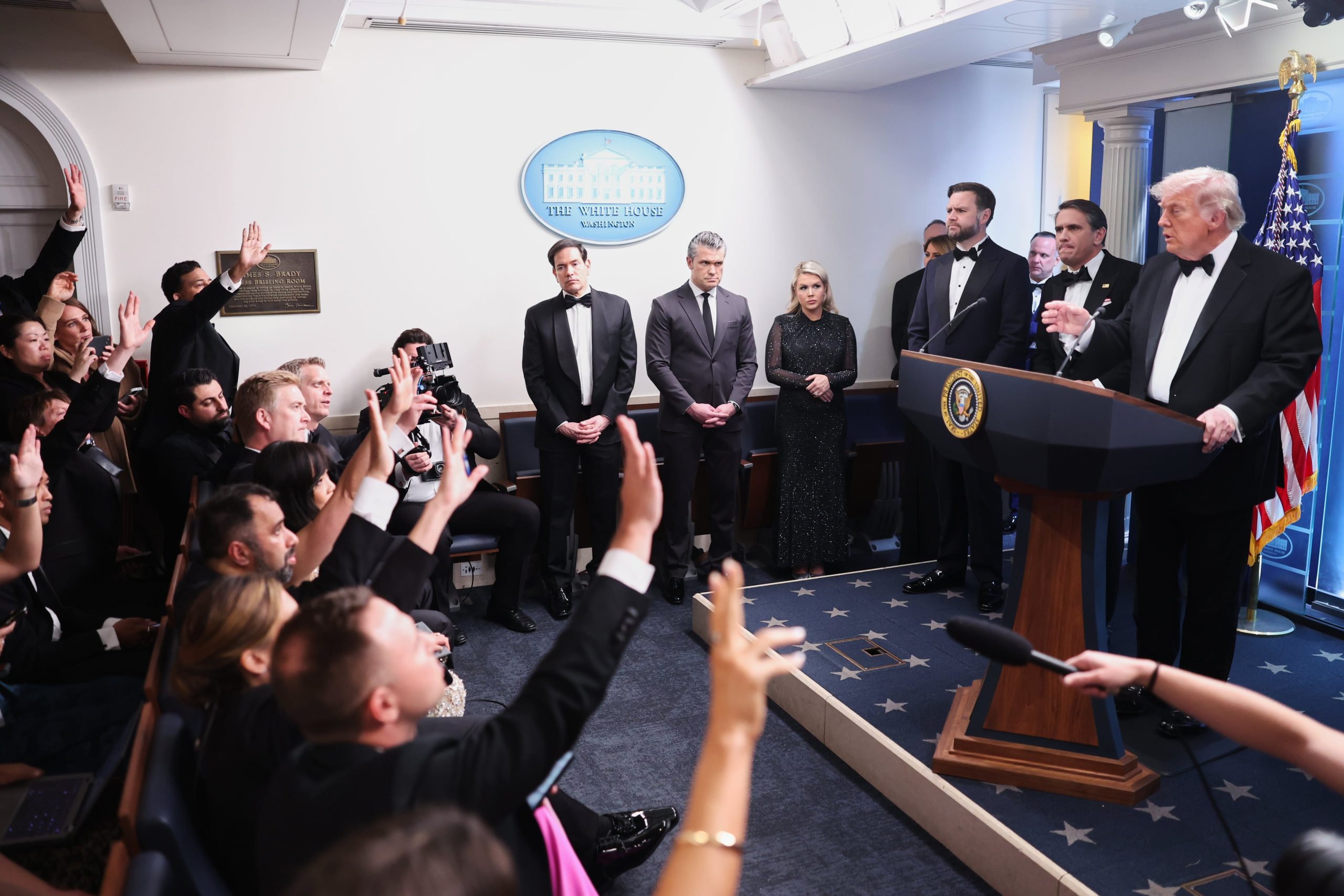
El presidente de Estados Unidos, Donald Trump, fue evacuado este sábado por la noche de la Cena de Corresponsales de la Casa Blanca después de que el Servicio Secreto evitara que un hombre armado entrara en el salón en el que se celebraba el evento. Tanto el presidente como la primera dama, Melania Trump, y el resto de los miembros de su Gabinete allí presentes salieron escoltados del hotel Hilton de Washington donde se celebraba la cena, de la que de pronto se apoderó el caos. El sospechoso de abrir fuego en el vestíbulo del Hilton está detenido y se espera que comparezca este lunes ante el juez.
Se trata de Cole Allen, californiano de 31 años y, según las primeras informaciones, se había alojado como huésped en el hotel. Trump publicó una imagen en la que se le ve en el suelo, con el torso desnudo, tras ser reducido por la policía. El presidente, aún vestido de esmoquin, dijo después en una conferencia de prensa en la Casa Blanca que el hombre llevaba “varias armas”. “Parece que actuó solo, que era un lobo solitario”, añadió. “Pero no está claro. Veremos”.
No hubo noticias de heridos o de muertos en las primeras horas tras el incidente, aunque el Servicio de Secreto fue cauto en un comunicado oficial. “El estado de las personas involucradas no está del todo claro”, decía el texto. Trump aclaró en su comparecencia improvisada ante la prensa que un policía había recibido un disparo. También dijo que la vida del agente estaba fuera de peligro.

Este es el tercer atentado al que sobrevive el presidente de Estados Unidos, tras el mitin en Butler (Pensilvania) en el que un francotirador disparó hasta en ocho ocasiones y una de esas balas le rozó la oreja derecha, y aquella vez que un tipo armado fue descubierto en un campo de golf de Florida con planes de asesinar al entonces candidato republicano.
Desde el interior del salón, en el que los periodistas, políticos y famosos estaban cenando, se escucharon cinco disparos a la altura del primer plato. El área en la que se produjo el incidente, un piso por encima del lugar del evento, fue acordonada inmediatamente. El exterior del hotel, adonde se evacuó a los asistentes, se llenó de policías. El sonido de las sirenas y del sobrevuelo de los helicópteros también tomó súbitamente la noche de sábado en la capital estadounidense. Muchos de los presentes optaron por irse, aunque las autoridades pidieron a los que permanecieron en el hotel que se quedaran para que la cena pudiera continuar.
Prensa y poder
Trump se disponía a dar un discurso en la tradicional cita entre la prensa y el poder de Washington. Era su primera vez como presidente en la que acudía a la cena, tras años de boicotear un festejo que se organiza como un homenaje a la Primera Enmienda, que garantiza la libertad de expresión. Trump es el presidente que más ha atacado a la prensa de la historia reciente de Estados Unidos. Y el de este sábado se trata seguramente del evento con mayor número de reporteros por metro cuadrado del mundo.
Había pasado poco menos de una hora desde que las televisiones emitieron las caóticas imágenes de su evacuación, cuando Trump posteó el siguiente mensaje en Truth Social: “Ha sido una noche intensa en DC [siglas correspondientes a Distrito de Columbia]. El Servicio Secreto y las fuerzas del orden han realizado un trabajo fantástico. Actuaron con rapidez y valentía. El tirador ha sido detenido, y he recomendado que ‘EL ESPECTÁCULO CONTINÚE’; no obstante, me guiaré enteramente por las indicaciones de las fuerzas del orden. Ellos tomarán una decisión en breve. Independientemente de dicha decisión, la velada será muy distinta a lo planeado”.


Unos 20 minutos después del incidente, Weijia Jiang, corresponsal en la Casa Blanca de CBS News, anunció que la fiesta iba a retomarse “lo antes posible”. Jiang es la presidenta de la Asociación de Corresponsales de la Casa Blanca, que cuenta con unos 800 socios y que tiene en esta velada el momento más importante de sus actividades anuales.
A las 21:40, Jiang tomó el micrófono para contar que los Servicios Secretos habían pedido a la organización del evento que lo suspendieran. También avisó de que Trump había convocado una conferencia de prensa “en los próximos treinta minutos”. “Y no es un chiste”, añadió Jiang.
Todas esas informaciones las confirmó el propio presidente en otro mensaje en Truth. Trump también contó que había pedido a la Asociación de Corresponsales de la Casa Blanca que reprogramaran el evento en algún momento “de los siguientes treinta días”. Antes de su evacuación, el republicano estaba dispuesto a regresar a la cena y cumplir con la tradición de ofrecer un monólogo cómico para los cerca de tres mil asistentes a un evento que retransmiten en directo las principales cadenas de noticias. En su conferencia de prensa en la Casa Blanca, dijo que tenía previsto dar el “discurso más incorrecto de la historia”.

El Hilton guarda su propia memoria en la historia de la violencia política en Estados Unidos. En la entrada trasera de ese imponente hotel con planta de doble arco, una placa recuerda que a las 14.27 del 30 de marzo de 1981, justamente “en la visita número 100 de un presidente estadounidense” al lugar, John Hinckley, Jr., que buscaba impresionar a la actriz Jodie Foster, disparó a Ronald Reagan con un revólver del calibre .22 cargado con balas “expansivas”. La rápida actuación de los servicios secretos, que lo evacuaron al hospital George Washington, salvó la vida al entonces presidente, que solo llevaba unos meses en el cargo.
Del asesinato en 1865 del presidente Abraham Lincoln a manos del confederado John Wilkes Booth en el teatro Ford de Washington al magnicidio en 1963 de John Fitzgerald Kennedy en Dallas, por el que fue acusado Lee Harvey Oswald, la democracia de Estados Unidos puede contarse también en los atentados que hicieron temblar sus cimientos. Además de Lincoln y Kennedy, otros dos inquilinos de la Casa Blanca murieron a tiros: James A. Garfield, en 1881, y William McKinley, 20 años después.
La lista de los mandatarios o exmandatarios que sufrieron atentados, pero salieron ilesos ―una lista a la que Trump se dijo orgulloso de pertenecer este sábado― incluye, ademas de a Reagan, a Theodore Roosevelt. Un tipo llamado John Schrank, que actuó, dijo, guiado por el espíritu de McKinley, disparó a Roosevelt el 14 de octubre de 1912, cuando este ya había dejado la Casa Blanca. Estaba llegando a un evento de campaña en Milwaukee (Wisconsin).
America
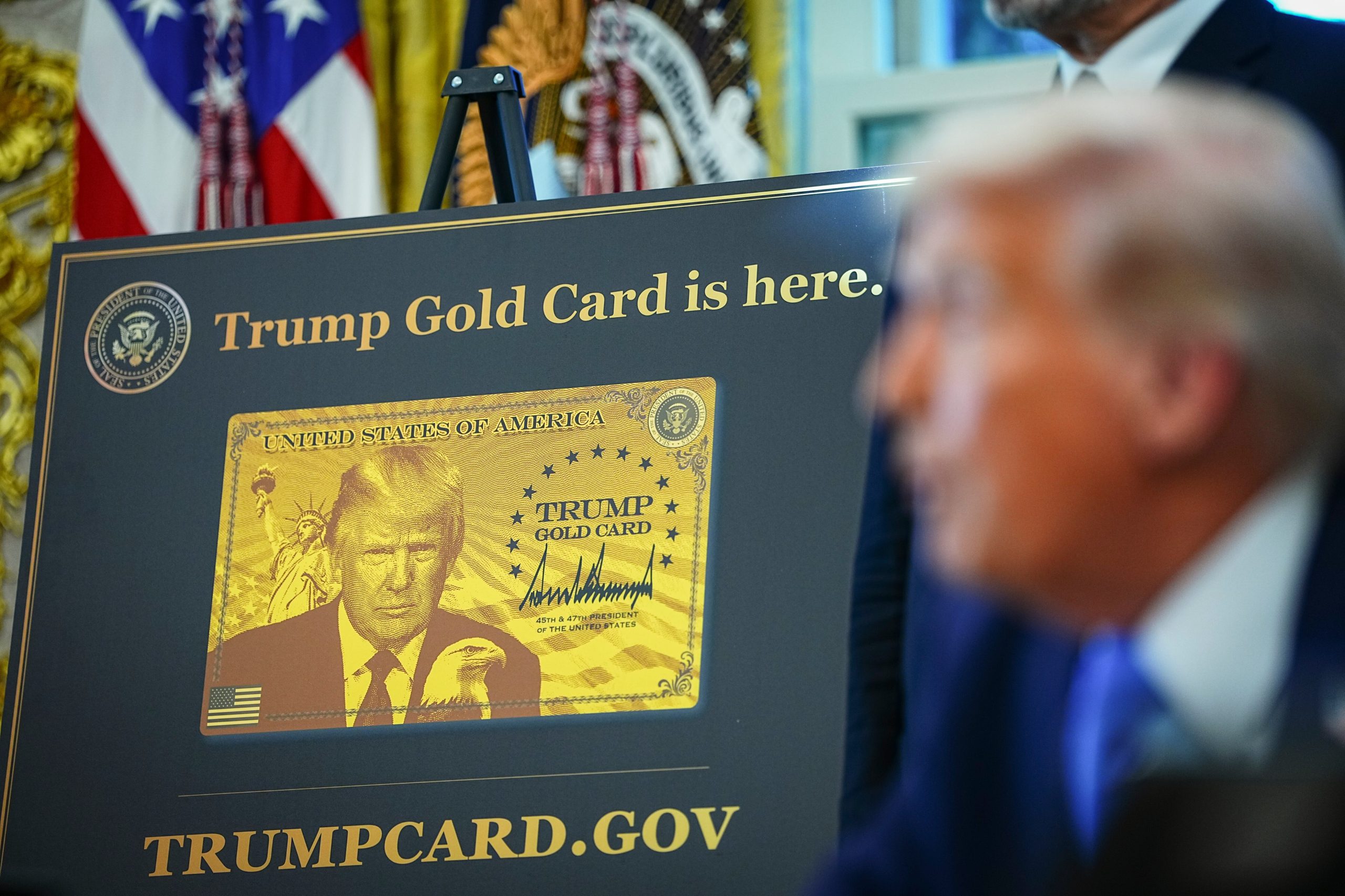
La ‘golden Visa’ De Donald Trump Solo Ha Sido Aprobada Una Vez A Pesar De Tener Cientos De Solicitudes En Espera

Residents rejoice at the reopening of Aldi
25th Foreign Residents’ Day in Estepona featuring 26 nationalities and media awards
Terrifying ordeal on Swiss flight from Delhi as undercarriage catches fire

Luxury Villas For Sale, Estepona – ProjectL1

Stylish 3-Bedroom Apartment With Panoramic Sea Views – Benalmádena
Brussels warns Spain that migrants regularised under controversial scheme will be deported back to Spain if they try to move to other EU countries


-
 New Developments3 weeks ago
Luxury Villas For Sale, Estepona – ProjectL1
-
 New Developments3 weeks ago
Stylish 3-Bedroom Apartment With Panoramic Sea Views – Benalmádena
-
eu response to spain migration policy2 weeks ago
Brussels warns Spain that migrants regularised under controversial scheme will be deported back to Spain if they try to move to other EU countries
-

 %3 weeks ago
Poland Disconnects Utilities At Russian Consulate That Moscow Refuses To Hand Over
-

 Uncategorized4 weeks ago
How Lewis Hamilton spent break with A-list star
-
AER Lingus4 weeks ago
High-speed internet at 35,000 feet: Aer Lingus launches Starlink Wi‑Fi
-
Costa Calida2 weeks ago
Murcia unveils monument marking 175th anniversary of Burial of the Sardine
-
Costa del Sol2 weeks ago
Easter on the Costa del Sol: a time of renewal