
News from Spain
900kg bull strolls into a Catalan bar for breakfast and leaves customers gobsmacked

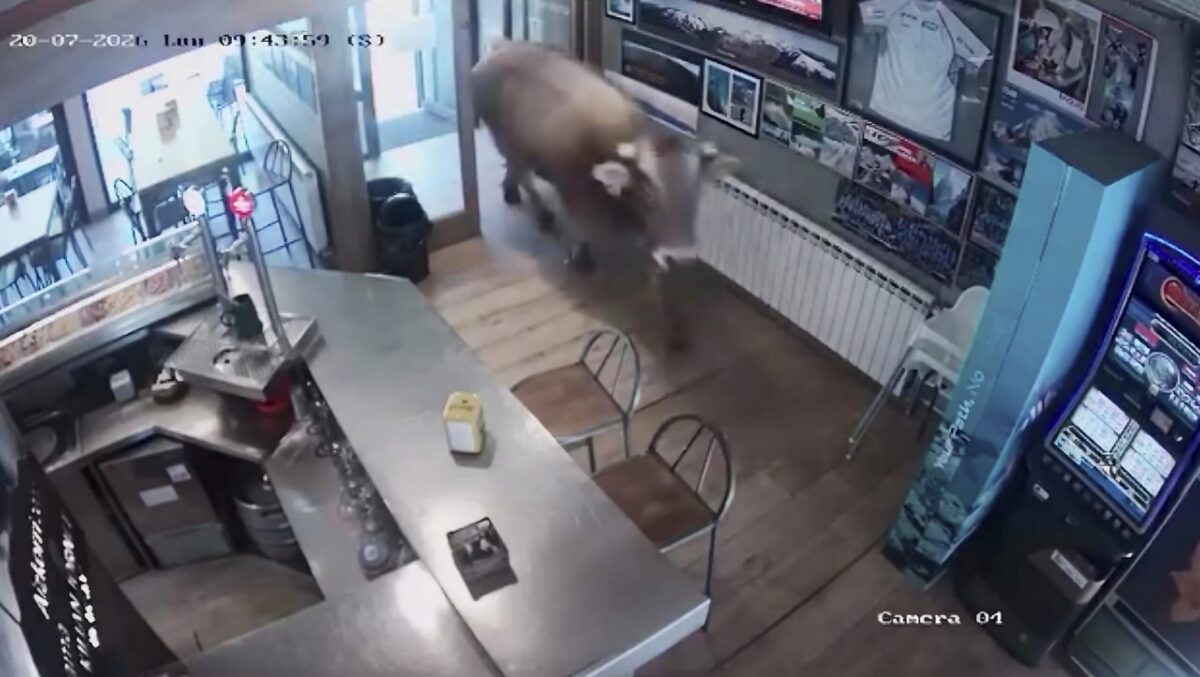
Breakfast time took a wild turn at a roadside café in northern Catalonia when a hefty young bull decided to pop in for a look around and maybe some toast with tomato on it.
Nearly ten o’clock on Monday morning, the animal had been moving with its herd along the main road past Bar Gusi in Ribes de Freser, Girona. Local farms regularly move cattle this way to reach fresh pasture, and the beasts have right of way on that stretch. Owner David Torrecillas says the animals pass often and “in 30 years nothing like this had ever happened.”
This time one bull lagged behind. “He drifted away from the herd and got left behind,” David explains. Standing out on the terrace, he spotted the creature heading straight for the door. “I saw it coming towards us but never thought it would actually go inside the café. I reckoned it would turn round and head up the road. I never would have imagined it. It kept getting closer and closer until it walked right into the bar. When I saw it, I thought, Is this really happening?
CCTV cameras captured the whole thing. About twenty people, including locals and holidaymakers, stared gasping as the bull, estimated at “at least 500 kilos” by one staff member, pushed past the tables. “Seeing one go past on the road is one thing, but watching a bull walk into the bar is something else,” a waitress said. “Luckily it left the same way it came in. We were all shocked. It wasn’t a dog. It was a proper big animal.”
The herd’s shepherd dashed in straight away but arrived too late to stop the entry. He stayed by the main door to shield customers and asked a waiter to head round the back in case the bull turned.
Waiter’s cool head saves the day
Inside the dining area, an elderly couple, regulars about to sit down for breakfast, suddenly found themselves face-to-face with the unexpected visitor. At that moment, waiter Samuel stepped forward exactly as the shepherd had suggested.
“The waiter stood in front of the bull without any sudden movements,” David recalls. “Then it turned towards the exit and walked out without causing any damage to people or property. I rang him afterwards to congratulate him and say thanks. He handled it so calmly and naturally. I believe his family used to keep livestock, so he wasn’t scared. He kept his cool and moved slowly so he didn’t startle it, letting it turn round and leave.”
Samuel later posted the CCTV clips online with a light-hearted note: “Today we had a very special visit at Bar Gusi. Seems he heard the food is fantastic here. He hadn’t booked, but with a customer that size we weren’t going to turn him away! Official note: No customers or staff were hurt in this adventure.”
The entire visit lasted just 20 seconds. The bull spun round, knocked a few tables over, exited through the front door and rejoined the herd with the shepherd following.
Locals who saw the footage couldn’t resist a chuckle. One wrote: “What authentic customers you’ve got, David!” Another joked: “He’s bringing the goods for the burgers!!!” A third admitted, “It made me laugh!!! I don’t know what I would have done.” And a final comment summed it up: “The bull – luckily everything went well.”







athlete with Cerebral palsy. Murcia hiker
Murcia athlete with cerebral palsy takes on 3,479-metre Mulhacén challenge
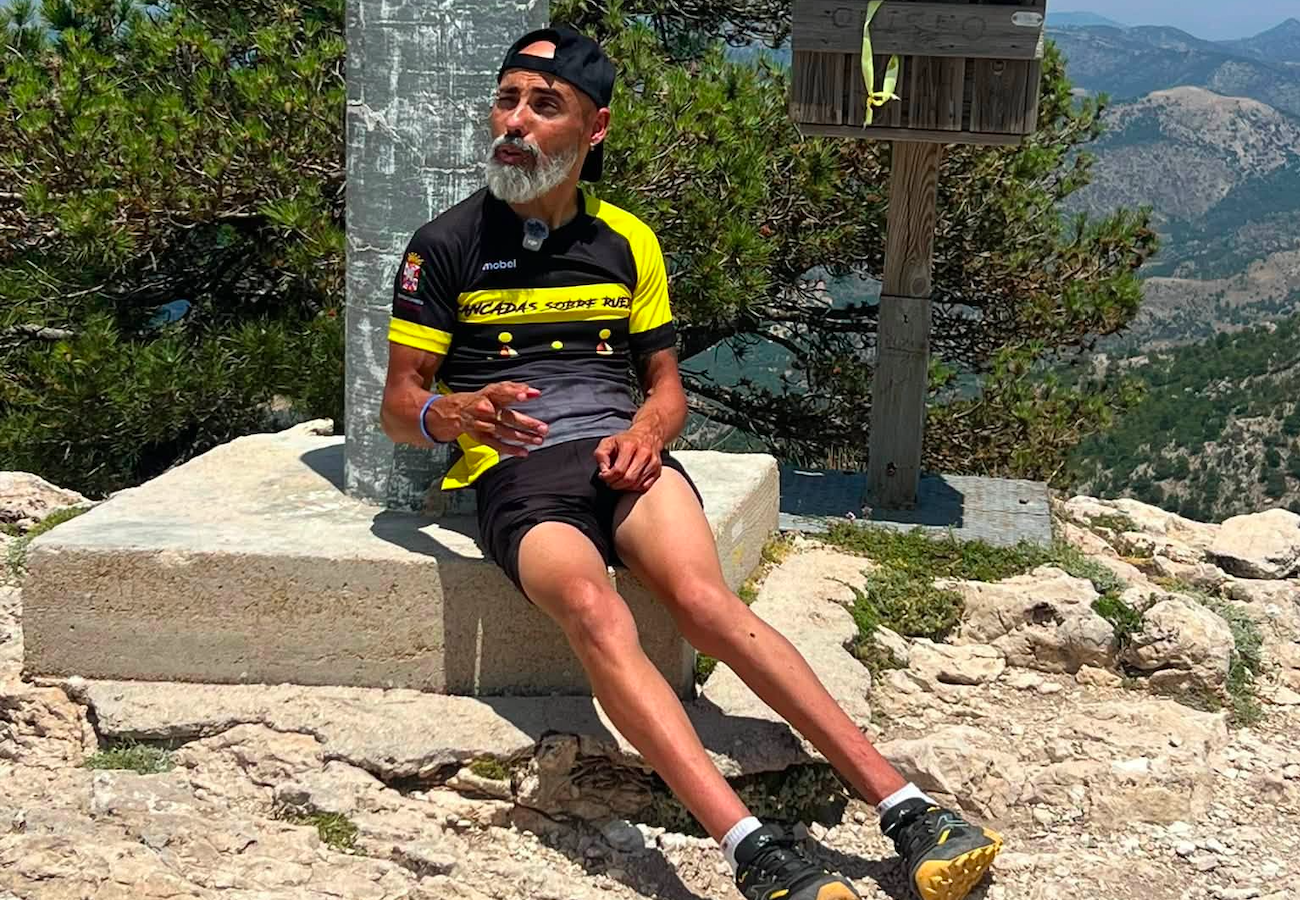
His latest challenge will see him tackle the demanding ascent of Mulhacén on foot. Photo credit:TotalEnergies Maratón Murcia Costa Cálida/FAcebook
When most people look up at Mulhacén, they see the highest mountain on the Iberian Peninsula, a towering summit that rises 3,479 metres above sea level and tests even experienced hikers with its steep climbs, thin air and unpredictable conditions. One Murcian man, however, sees something very different: another finish line.
Francisco Pérez, better known as “Superpaco,” will attempt to climb Mulhacén, despite living with cerebral palsy, a condition that affects the movement and coordination of his legs. His challenge is about far more than reaching the summit, it is about proving that determination can carry people further than many believe possible.
A mountain with a message
At 43 years old, Superpaco has become a familiar face in Murcia’s adapted sports community, and his latest challenge will see him tackle the demanding ascent of Mulhacén on foot, supported by a team of companions who will help him maintain his balance across the mountain’s most difficult sections. Volunteers from the association Zancadas sobre Ruedas will also provide logistical support throughout the climb, ensuring he can concentrate on the demanding journey ahead.
For many climbers, reaching Mulhacén’s summit is a personal achievement, but for Superpaco the mountain represents something much bigger. He hopes his ascent will encourage children, young people and adults living with disabilities to believe that barriers are not always as immovable as they first appear. “I’m not climbing Mulhacén to prove I’m different,” he said ahead of the challenge. “I’m climbing it to show that we’re all capable of going much further than we believe.”
No stranger to breaking barriers
This is not the first time Superpaco has refused to let cerebral palsy define what he can achieve. He is the Spanish T71 Frame Running 100-metre champion, competing in a discipline designed for athletes with coordination and mobility impairments, and has already completed numerous sporting challenges, including reaching the summit of Revolcadores, the highest mountain in the Region of Murcia, as well as taking part in the TotalEnergies Maratón Murcia Costa Cálida.
Each challenge has carried the same message: physical limitations do not have to limit ambition. Mulhacén, however, represents his biggest test yet, demanding endurance, resilience and determination over one of mainland Spain’s most demanding mountain routes.
More than a climb
The expedition will also form part of the documentary Superpaco, héroes sin capa (Superpaco, Heroes Without a Cape), which follows his sporting journey and the people supporting him along the way. Photos and videos from the ascent are expected to be shared on social media, allowing supporters to follow his progress from the foothills to the summit of mainland Spain’s highest peak.
The documentary aims to draw attention to not only the physical challenge itself, but also the importance of inclusive sport, determination and the network of volunteers, family and friends who make challenges like this possible.
An inspiration beyond Murcia
Mulhacén has challenged mountaineers for generations, attracting thousands of walkers to the Sierra Nevada every year, but this week many people will be following the mountain for an entirely different reason. They will not be watching to see how quickly someone reaches the top, but to witness the determination it takes simply to begin a challenge that many would dismiss as impossible.
Whatever happens on the climb, Superpaco has already achieved something that cannot be measured in metres climbed or hours spent on the mountain. By choosing to take on one of the Iberian Peninsula’s toughest ascents despite the daily challenges of cerebral palsy, he is reminding people that courage is not depend on physical strength alone, but on the willingness to keep moving forward when every step demands more than most can imagine.
For those following his journey from Murcia and beyond, the most powerful part of this story may not be whether he reaches the summit. It is that he refused to let the mountain, or his disability, decide where his limits should be.
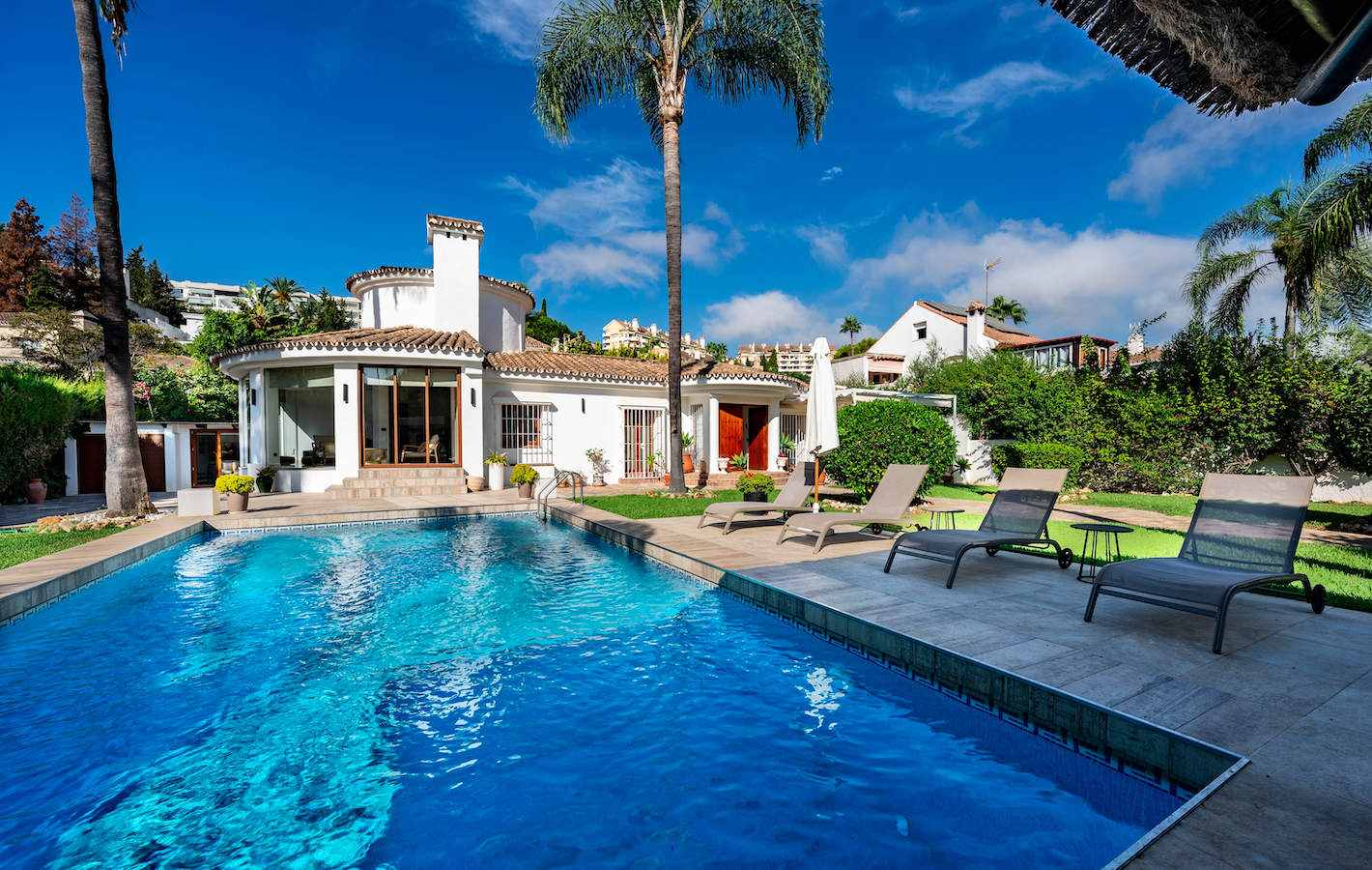
Silvestre spent years paying to maintain a swimming pool that often sat empty. Photo credit: josehidalgo87/Shutterstock
Most people lock the front door before heading out for the day expecting to come home to exactly what they left behind. For one man in Murcia, coming home has become the best part of the day. While he’s out, strangers are swimming in his garden. When he gets back, there’s sometimes €400 more sitting in his bank account. No lottery win, no inheritance. no lucky investment, just a swimming pool.
It might sound like an unusual way to make money, but for Silvestre López, a homeowner in the Region of Murcia area, renting out his private pool has become a profitable summer side business. His experience is also drawn attention to a growing trend that could change the way thousands of swimming pool owners across Spain think about one of their biggest household expenses.
One pool, dozens of guests and an unexpected income
Like many homeowners, Silvestre spent years paying to maintain a swimming pool that often sat empty while he was at work or away from home. Then he discovered, an online platform that allows owners to rent out private swimming pools by the hour. Instead of leaving the pool unused, he began accepting bookings from families, couples and groups of friends looking for somewhere private to cool off during Spain’s hottest months.
Silvestre explained that he can leave home in the morning and, after a busy day of bookings, return to find around €400 paid into his account. His experience has attracted attention because it raises an obvious question. If one Murcian homeowner can turn an ordinary swimming pool into a source of extra income, how many others could do the same?
The Airbnb of swimming pools
The idea is surprisingly simple, rather than renting out an entire property, homeowners rent access only to their swimming pool and, depending on the facilities available, the surrounding garden for a few hours. Bookings are made online, payments are handled through the platform and owners decide when their pool is available, how many guests they will accept and how much they want to charge.
For visitors, it offers something that public pools often cannot, Privacy. Instead of competing for space beside a crowded municipal pool or squeezing onto a packed beach during a heatwave, families can enjoy a private garden, sun loungers and a swimming pool all to themselves for an afternoon. For homeowners, it offers the chance to earn money from something that would otherwise be sitting empty for much of the day.
Could it work for more pool owners?
Spain has one of the highest numbers of private swimming pools in Europe, with well over a million spread across the country, Keeping them in good condition is far from cheap. Water bills, electricity, pumps, chemicals, cleaning equipment and general maintenance can cost owners hundreds or even thousands of euros each year.
For many households, those costs are simply accepted as part of owning a pool. These swimming pool platforms are changing that way of thinking. Instead of seeing a pool purely as an expense, some owners are beginning to view it as an asset capable of covering part, or even all, of its annual running costs. In some cases, it can generate considerably more.
Not as easy as opening the gate
Renting out a swimming pool is not as straightforward as leaving the gate unlocked. Owners remain responsible for maintaining safe water quality, setting clear rules for guests and complying with the conditions laid down by the booking platform. Insurance, occupancy limits and local regulations also need to be considered before accepting reservations.
Most homeowners also choose carefully when to make their pools available, blocking out dates when they want to enjoy them with family and friends. The flexibility is one of the reasons the idea has gained popularity. Owners remain in control, deciding exactly when, and how often, they want to welcome paying guests.
A growing summer business
With temperatures climbing higher each summer, demand for private outdoor spaces continues to grow. Families celebrating birthdays, groups of friends looking for somewhere quieter than the beach and tourists without access to hotel pools are all helping to fuel interest in hourly pool rentals. For homeowners, it has opened up an income stream that barely existed a few years ago. Not everyone will finish the day €400 better off, earnings depend on location, demand, facilities, pricing and the number of bookings received, but Silvestre’s story shows what is possible.
At a time when the cost of maintaining a private pool continues to rise, an increasing number of homeowners are discovering that the feature once seen purely as a luxury can also help pay its own way. For years, Spain’s private swimming pools have been places where owners escaped the summer heat. Now, for some, they are becoming something else entirely. A business that starts the moment they leave home.


Verstappen reacts to stunning F1 Hamilton overtake at Hungarian GP

An Appeals Court Upholds The Injunction Blocking Trump’s Order That Sought To Restrict Mail-In Voting In 23 States
Murcia athlete with cerebral palsy takes on 3,479-metre Mulhacén challenge
Axarquia wildfire cause emergency response across Archez, Competa and Canillas de Albaida

El Escurreplatos De Dos Niveles Que Libera Espacio En La Cocina Está Rebajado Más De Un 50%
Buyers are pushing back against high house prices in Spain


-
andulacia wildfires1 week ago
Axarquia wildfire cause emergency response across Archez, Competa and Canillas de Albaida
-
 Amazon2 weeks ago
El Escurreplatos De Dos Niveles Que Libera Espacio En La Cocina Está Rebajado Más De Un 50%
-
House prices1 week ago
Buyers are pushing back against high house prices in Spain
-

 España2 weeks ago
Lotería Nacional: Comprobar Sorteo Del Jueves 16 De Julio
-
Are dogs allowed on trains in SPain1 week ago
Renfe opens all trains to dogs weighing up to 40 kg
-
 New Developments1 week ago
Inside The Most LUXURIOUS Apartment Building In Spain!
-

 Audiencia Nacional2 weeks ago
La Directora De La Guardia Civil Y Su Jefe Operativo Declaran Como Imputados En La Audiencia Nacional Por El ‘caso Leire Díez’
-

 Uncategorized2 weeks ago
F1 press conference shut down over Red Bull driver transfer rumours