Connect with us

%

More Than 1,000 People Join Los Alcazares Cancer Charity March

Published

on

more-than-1,000-people-join-los-alcazares-cancer-charity-march

More than 1,000 people march in solidarity, raising cancer charity funds. Photo Credit: Los Alcazares Town Hall

More than 1,000 people turned the seafront of Los Alcazares pink on Sunday, October 25, as residents and visitors joined a charity march to raise funds for people in the community affected by cancer. The latest edition of Los Alcazares en Marcha contra el Cáncer, or the Los Alcazares Walk Against Cancer, attracted participants from the town and neighbouring areas. Organised by the local branch of the Spanish Association Against Cancer, or AECC, in collaboration with the town council’s Social Policy department, the march brought residents and visitors together for a cause close to the community’s heart.

More than 1,000 people join the charity march

Participants gathered at Paseo Carrión, near the Saza monument, before setting off on a five-kilometre route. The event combined exercise, solidarity and community spirit, with people of different ages taking part to show their support for cancer patients and their families.

Thanks to the march, the local community was able to raise money for the AECC’s work supporting people affected by cancer.

Gabriela Tihan, president of the AECC’s local branch in Los Alcazares, thanked participants for their generosity and enthusiasm. She explained that the funds would help the association support patients and their families, including those facing additional financial pressures during costly medical treatments. The event also received sponsorship from Caja Rural and Aqualia, whose contributions helped make the march possible.

A social day of solidarity for residents and visitors on the Costa Calida

After completing the route, participants were able to enjoy food and drinks together before the long-awaited prize draw brought the morning’s activities to a close. The event’s organisers thanked everyone who took part, along with the volunteers, sponsors and local organisations involved in delivering the march. With more than 1,000 people taking to the streets in solidarity, this year’s event demonstrated the community’s firm support for the fight against cancer, while raising funds for one of Spain’s most significant organisations dedicated to this cause.

%

Motril’s Haunted Factory

Published

on

motril’s-haunted-factory

Halloween at the old Pilar factory. Credit: EWN

A historic sugar factory on Granada province’s Costa Tropical is opening its doors to a ghostly mystery this Halloween, inviting visitors to explore its industrial past through a special guided experience.

The Fábrica del Pilar in Motril is hosting El fantasma de la Fábrica (The Ghost of the Factory), a seasonal attraction combining local history, storytelling and a spooky atmosphere. The event is part of Motril’s wider Halloween programme for 2026.

Running from October 28 to 31, the experience offers an unusual way for residents and visitors to discover one of the area’s most important industrial heritage sites.

Ghostly tours for Halloween

Guided tours are scheduled for 5pm and 6pm each day, with groups limited to 25 people per session. Advance booking is not required, making it a potential last-minute activity for families and anyone looking for something different to do over Halloween.

The story has been developed with the involvement of the guides and the municipal heritage department, using the factory’s historic surroundings to bring the mystery to life.

Although the ghost provides the Halloween theme, the real attraction is the chance to explore a site that played an important role in Motril’s industrial development.

Readers looking for more seasonal activities can also discover Halloween events across Spain, including celebrations that have become increasingly popular with British residents.

From sugar production to industrial heritage

The Fábrica Nuestra Señora del Pilar began operating in 1883 and became an important part of the sugar industry that once helped shape the local economy.

Production continued for more than a century before the factory closed in 1984. Its buildings and machinery now offer a glimpse into the working lives of the people who helped establish Motril as a centre of sugar production.

Visitors can learn more about the site’s past through the official history of the Fábrica del Pilar, published

Continue Reading

%

Firing A Drunk Waiter Spanish Bar

Published

on

firing-a-drunk-waiter-spanish-bar

Waiter fired for being drunk at work in San Sebastian Credit:lindasky76 / Shutterstock.com

Business owners across Spain are being handed a reminder of the country’s tough labour laws after a bar owner was ordered to pay €6,784 or reinstate a waiter who turned up drunk and walked out during a busy evening service

Waiter turned up drunk for evening shift

The waiter had worked at a bar in San Sebastian since July 2022, working split shifts that included an evening service from 8pm to midnight. On July 6, 2025, he arrived for work drunk. After his manager challenged him about his condition, the waiter said he would leave if he was considered unfit to work.

He changed his clothes and left, despite an attempt to stop him. His absence left colleagues short-handed during the dinner service. Management dismissed him a few days later, citing the incident as well as other alleged misconduct.

Colleague was left in tears

One of those incidents had happened just six days earlier. On June 30, the waiter hit a female colleague on the bottom with a cleaning cloth. The blow caused her enough pain to make her cry. He apologised, but she did not accept it. The company later included the incident in its reasons for dismissal and described it as sexual harassment.

Judges did not agree that sexual harassment had been proved, although they considered the behaviour inappropriate.

Court says dismissal went too far

A lower court initially backed the bar’s decision to dismiss him, however, the Basque Country’s High Court of Justice took a different view in September, finding that the employer had not proved the habitual drunkenness it had alleged.

One occasion of arriving drunk was not enough to establish a pattern, particularly as the waiter had no previous disciplinary sanctions during his roughly three years at the business.

Leaving his shift was also considered serious misconduct under the hospitality industry’s collective agreement in Gipuzkoa, but judges decided dismissal was too severe a punishment in the circumstances. The court therefore ruled that the dismissal was unfair.

Bar must choose between €6,784 or reinstatement

The business must now either reinstate the waiter and pay the wages he has lost, or pay him €6,784.39 in compensation.

The unusual case is a reminder that being fired and being found to have behaved badly are not necessarily the same thing under Spanish employment law. For the court, the issue was whether the employer had proved the allegations and whether dismissal was a proportionate response, not whether turning up drunk or hitting a colleague was acceptable.

Continue Reading

%

Woman On Holiday Reports Husband Missing In Málaga, Then Learns He’s In Intensive Care After Robbery

Published

on

woman-on-holiday-reports-husband-missing-in-malaga,-then-learns-he’s-in-intensive-care-after-robbery

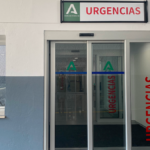
The man was taken to hospital emergency care after the attack. Credit: Junta de Andalucía

A woman on holiday in Málaga went to the police to report her husband missing and was shown a short video of a patient in a hospital emergency room, who turned out to be him. He’d been beaten and robbed in the street, then left unconscious with serious head injuries.

A patrol found him unconscious in La Trinidad

Local Police officers found a 46-year-old foreign tourist lying unconscious in the street in the Málaga city neighbourhood of La Trinidad around the middle of last week. He’d suffered severe head injuries, so the officers arranged for him to be taken to the Hospital Regional, where he was admitted straight to the intensive care unit.

Nobody knew who he was at the time. His mobile phone and other belongings had been taken, which left officers with nothing to identify him by, and his nationality hasn’t been made public.

A video clip led his wife to him

Medical staff and police recorded a brief video of him in the emergency room to help with identification, and the case was passed to the National Police. They then set out to find his attackers and work out who he was. 

The breakthrough came from his wife, who was on holiday with him. When he hadn’t come back for several hours and her repeated calls to his phone went unanswered, she went to the Foreign Tourist Attention Service (SATE) office in Plaza de la Marina to report him missing. 

SATE is a National Police service for foreign tourists, and after the report, a patrol was sent to the office and showed her the emergency room clip, which confirmed it was her husband, and she was then told he’d been taken to hospital after a violent street robbery.

He’s now out of intensive care

The man has since stabilised and has been moved from intensive care to a general ward to recover from his head injuries. Investigators believe the main motive was the theft of his mobile phone. His injuries suggest he was either badly beaten or hit with enough force to collapse and strike his head on the pavement, though police haven’t confirmed the exact method. The National Police investigation to identify and arrest those responsible is continuing, and no arrests have been reported so far.

If you’re on holiday and ever need help with an issue similar to this one, the SATE office is where visitors can go for help.

Continue Reading

Trending

Copyright © 2017 Spanish Property & News