
Ceuta
La Policía Trata De Desalojar El último Tramo De La Playa Benítez De Ceuta

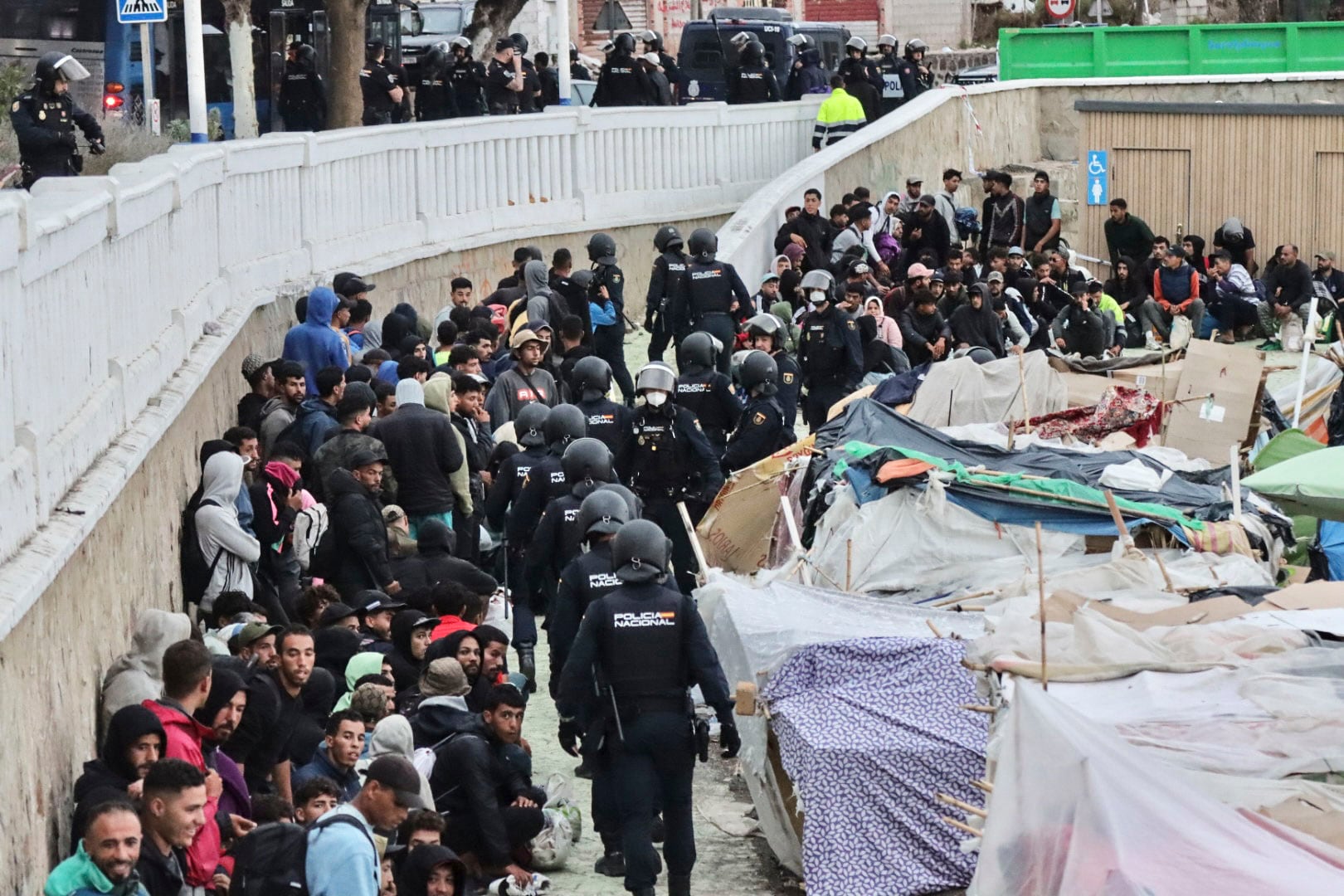
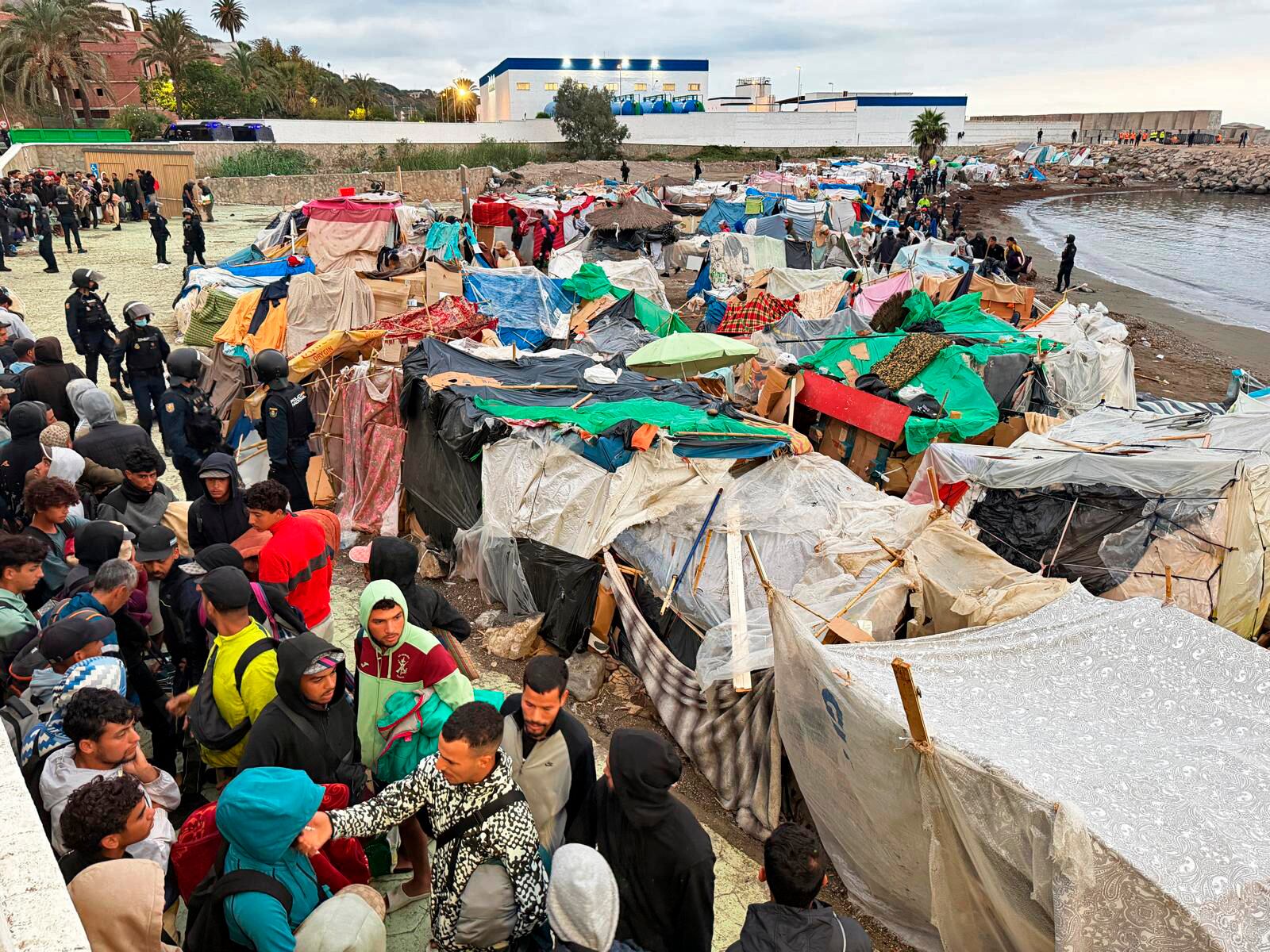
Desde las siete de la mañana, efectivos de la Policía Nacional se han desplegado en playa Benítez, en Ceuta, para proceder al desalojo de entre 300 y 400 personas, según estimaciones de fuentes policiales. Los migrantes permanecían aún en el último tramo de la arena, justo antes de la desalinizadora, al otro lado de la playa del Trampolín. Los agentes han llegado a las tiendas ya al filo de las ocho, con el amanecer.





Ceuta
King Of Spain In Ceuta: ‘Sovereignty And Territorial Integrity Are Not Negotiable, And Faced With Any Risk, Our Duty Is Their Defense’
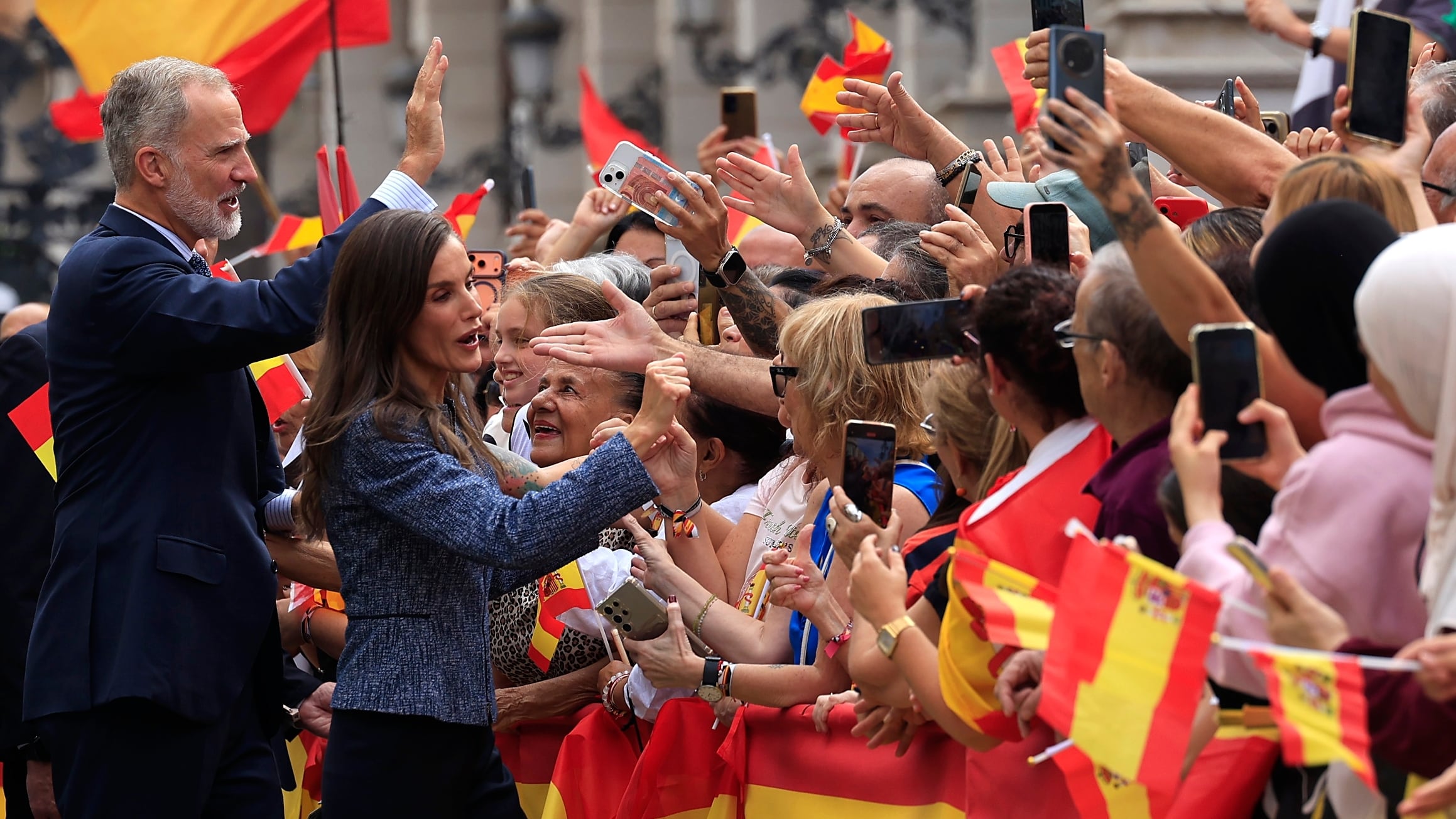
In a remarkably forceful address, Felipe VI of Spain on Tuesday asserted Ceuta’s ‘sovereignty’ and ‘territorial integrity,’ two and a half months after more than 80,000 people crossed illegally from Morocco in an unprecedented mass incursion into the Spanish exclave city in northern Africa.
Speaking from Ceuta in his first official visit since his accession to the throne in 2014, the monarch underscored his role as ‘head of state’—something he does not often invoke in this type of speech—and said that ‘the breach of our border continues to have an enormous impact on all of Spain.’
The king mentioned Morocco, saying Spain bore ‘the responsibility of maintaining a good neighborly relationship,’ but one based on ‘mutual respect’ between the two countries. EL PAÍS recently revealed that on July 30 and 31, besides the tide of migrants who walked or swam into Ceuta, several Moroccan war ships also entered Ceuta territorial waters repeatedly and without authorization, and only retreated after the Spanish Navy deployed vessels in the area as well as high-level involvement by the Defense Ministry. On Tuesday Morocco appeared to be officially ignoring the Spanish royals’ visit to the city, which it claims historical sovereignty over.

‘That breach of our border by a vast crowd of people was a shock for everyone, especially for you, and it continues to have an enormous impact—social, political, economic and psychological—on your lives, on the city and, to a large extent, on all of Spain, even though since then the majority of those who entered have returned and many others have been placed in reception centers,’ the king told a crowd of local residents in a speech just after 7.30 pm at Parador Las Murallas.
‘Ceuta and Melilla [another exclave city in northern Africa] are an indispensable part of the political and national reality that is Spain. The sovereignty and territorial integrity of our country are not negotiable: they are indisputable. And faced with any risk, our duty is their defense and preservation,’ he added.
‘Ceuta is Spain…, and Ceuta is Europe. Therefore, its border—as Melilla’s—is a border of the Union. Any threat it suffers is a threat to the entire EU,’ he stressed. This part of the speech drew sustained applause from the crowd.
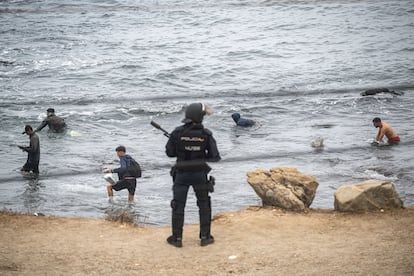
Two and a half months after the sudden influx, the central government of Spain is housing thousands of migrants in 10 improvised facilities with room for 7,400 people. Around 12,000 people have returned to Morocco, the vast majority voluntarily via the El Tarajal border crossing. ‘Those who entered our country irregularly must—as a rule—return to their place of origin as soon as possible and by the legally established channels. While they remain among us they must always be treated with dignity and humanity, and with all the guarantees provided by our laws,’ Felipe VI said. ‘But they must also be required to show scrupulous respect for the rules of civic coexistence and for the rights and freedoms of Ceuta’s residents. So that when we look back on these very difficult days, we can do so with the calm and satisfaction of having done things right.’
Support in Brussels
The Ceuta crisis is still fresh in Brussels, the heart of the European Union. Ursula von der Leyen, the president of the European Commission, the EU’s executive arm, on Tuesday supported “reinforcing” cooperation with Morocco on immigration issues, and said that “lessons” should be learned from the late July incident. Von der Leyen also reiterated support for Spain in achieving the rapid return of undocumented migrants to Morocco.
Von der Leyen also insisted on the need for an “emergency response network” that will enable migration rules to be “flexibilized” in the event of a crisis or weaponization of migration flows by third countries.
With additional reporting by Silvia Ayuso, Miguel González and Juan Carlos Sanz.
Sign up for our weekly newsletter to get more English-language news coverage from EL PAÍS USA Edition
Ceuta
King Felipe And Queen Letizia Greeted By ‘Ceuta Is Spain!’ Chants As Royals Make Historic Visit To African Enclave Two Months On From Migrant Crisis

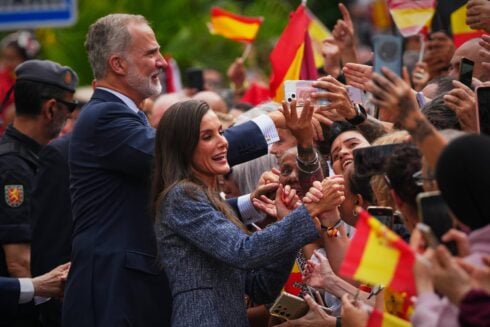
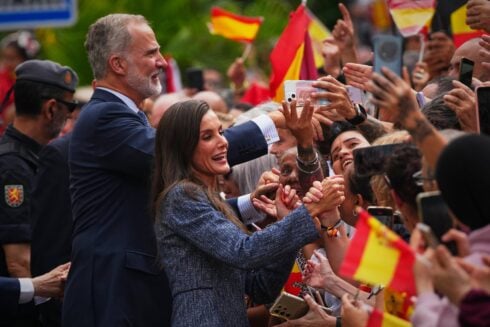 King Felipe and Queen Letizia were greeted with cheers and thunderous chants of ‘Long live the King!’ as they arrived in the tiny north African enclave.
Ceuta
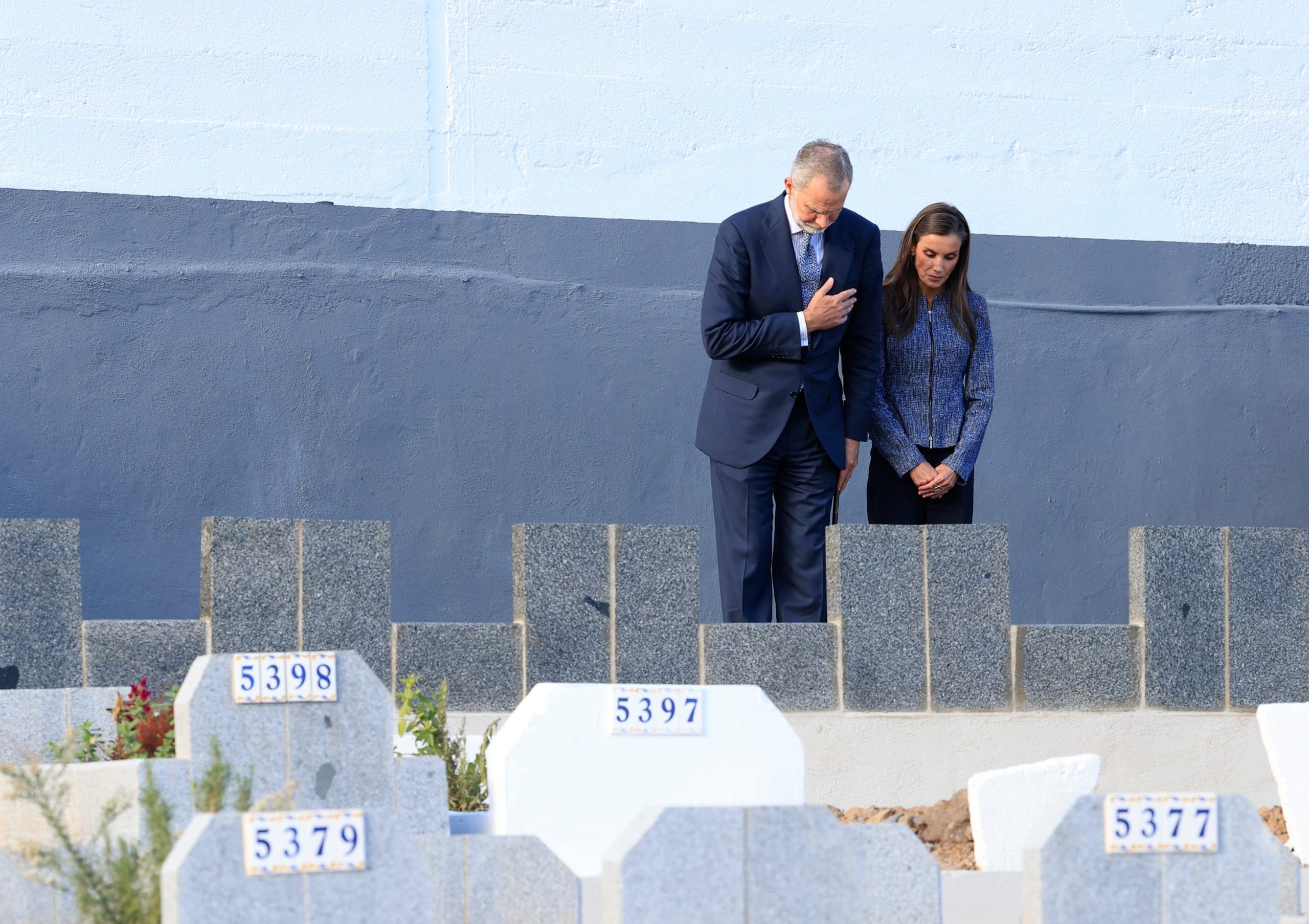
Última Hora De La Visita De Los Reyes A Ceuta, En Directo | Los Reyes Rinden Homenaje A Las Víctimas De La Entrada Masiva En El Cementerio Musulmán De Sidi Embarek

La Segunda Jornada Del Foro CREO, En Directo | Pablo Bustinduy Reclama “una Reforma Fiscal Justa” Y Subir Los Salarios

La Actriz Mónica Cervera Sale De Prisión Tras 11 Meses Por Intento De Robo Con Violencia: “Ha Sido Duro”

F1 urged to move Las Vegas Grand Prix over Antonelli title fears


-

 Uncategorized2 weeks ago
F1 Bahrain Grand Prix will be live and FREE on TV this weekend
-
Blackout preparedness2 weeks ago
Brussels takes action against Spain over failure to update blackout plan
-

 Foreign demand3 weeks ago
Market Snapshot: German Market In Q2 2026
-

 Uncategorized2 weeks ago
Lewis Hamilton F1 wish could come true as stunning plans for new track revealed
-
Latest2 weeks ago
Spain’s Government Dealt Huge Blow As MPs Reject Housing Crisis Laws
-
 Housing access / crisis / affordability2 weeks ago
Radical Housing Decrees Defeated As Snap Election Talk Grows
-

 New Developments2 weeks ago
How To Get A Tourist Rental Licence In Andalusia (Spain) – Step-By-Step Guide 2025
-
EU2 weeks ago
EU nicotine crackdown sparks warning that ex-smokers could be driven back to cigarettes